Radio Frequency (RF) technology forms the backbone of modern wireless communication systems. From mobile networks and broadcasting stations to satellite communication and wireless internet services, RF infrastructure enables seamless transmission and reception of signals across vast distances. However, the efficiency and reliability of any RF network depend not only on the equipment itself but also on the quality of RF tools and accessories used during installation, maintenance, testing, and troubleshooting.
RF tools and accessories play a critical role in ensuring signal integrity, minimizing losses, improving network performance, and maintaining operational efficiency. Whether you are a telecom engineer, network installer, RF technician, or system integrator, understanding RF tools and accessories is essential for successful deployment and maintenance of communication systems.
In this comprehensive guide, we will explore RF tools and accessories, their importance, types, applications, benefits, and best practices for selection and usage.
Understanding RF Technology
Before discussing RF tools and accessories, it is important to understand what RF technology means.
Radio Frequency refers to electromagnetic frequencies ranging from approximately 3 kHz to 300 GHz. These frequencies are widely used in:
- Cellular networks (2G, 3G, 4G, 5G)
- Wi-Fi networks
- Satellite communication
- Broadcasting systems
- Military communication
- Public safety communication
- Industrial wireless systems
- IoT applications
Since RF signals are highly sensitive to interference, attenuation, and installation quality, specialized tools and accessories are required to ensure optimal performance.
What Are RF Tools & Accessories?
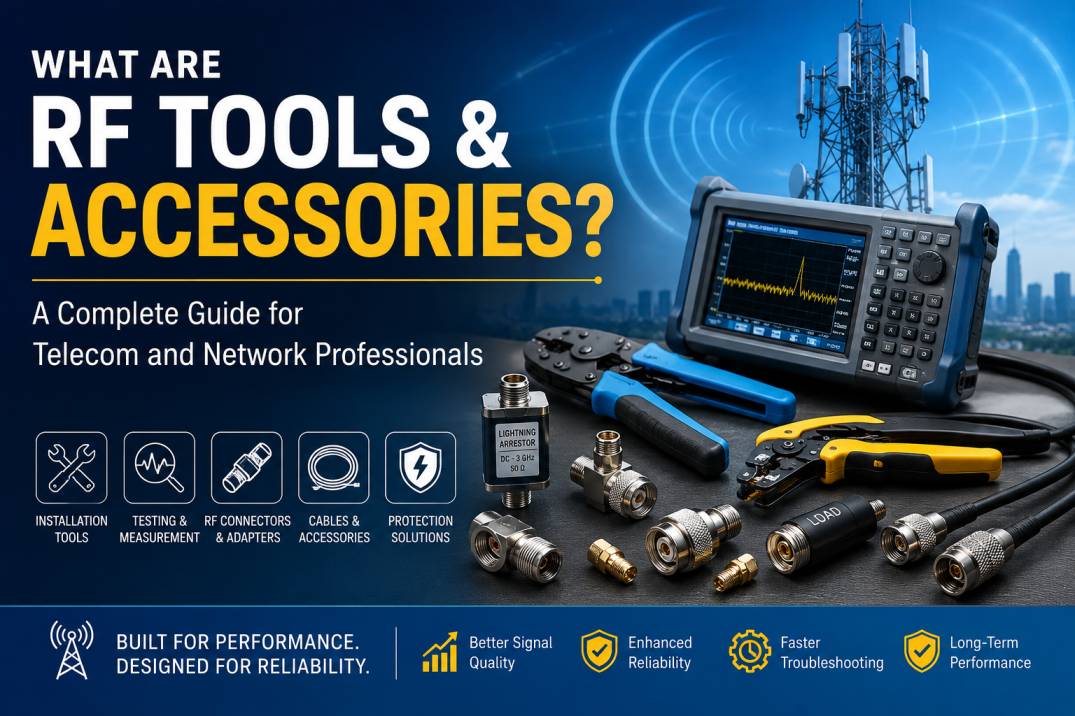
RF tools and accessories are specialized instruments, connectors, components, and installation equipment used for:
- RF cable installation
- Signal testing and measurement
- Antenna deployment
- Network maintenance
- Troubleshooting RF systems
- Performance optimization
These tools help engineers achieve precise signal transmission, maintain network quality, and reduce downtime.
Without proper RF tools and accessories, communication systems may experience:
- Signal loss
- Poor coverage
- High VSWR
- Interference issues
- Reduced network reliability
- Increased maintenance costs
Importance of RF Tools & Accessories
1. Ensuring Signal Quality
Proper RF accessories minimize signal degradation and maintain high-quality communication between transmitting and receiving devices.
2. Accurate Installation
Specialized installation tools ensure connectors, cables, and antennas are installed correctly, reducing future failures.
3. Faster Troubleshooting
RF testing equipment helps technicians quickly identify faults and restore services efficiently.
4. Improved Network Performance
Quality accessories reduce insertion loss and improve overall system efficiency.
5. Enhanced Safety
Professional RF tools enable technicians to work safely during installation and maintenance activities.
Types of RF Tools
RF tools can be categorized into several groups based on their applications.
RF Cable Preparation Tools
These tools are used during cable installation and connector assembly.
Cable Strippers
Cable strippers remove insulation layers without damaging the conductor.
Benefits include:
- Precise stripping
- Faster installation
- Reduced cable damage
Cable Cutters
Designed specifically for coaxial and RF cables.
Advantages:
- Clean cuts
- Improved connector fitting
- Longer cable lifespan
Crimping Tools
Crimping tools securely attach connectors to RF cables.
Features:
- High precision
- Consistent termination
- Reliable connections
RF Testing and Measurement Tools
Testing equipment is essential for verifying network performance.
Spectrum Analyzers
Spectrum analyzers measure signal frequencies and identify interference.
Applications:
- Signal analysis
- Frequency monitoring
- Interference detection
Network Analyzers
Network analyzers evaluate RF component performance.
Used for measuring:
- Return loss
- Insertion loss
- VSWR
- Impedance
RF Power Meters
Power meters measure RF signal power levels.
Benefits:
- Accurate measurements
- Performance verification
- System optimization
Signal Generators
Signal generators create RF test signals for equipment testing.
Common uses:
- Calibration
- Device testing
- Performance validation
Antenna Installation Tools
Antenna installation requires specialized equipment for accurate positioning and alignment.
Antenna Alignment Tools
Used to optimize antenna direction and maximize signal strength.
Advantages:
- Better coverage
- Reduced interference
- Improved link performance
Compass and GPS Tools
Help technicians locate exact installation positions.
Applications:
- Site surveys
- Tower installations
- Network planning
Inclinometers
Measure antenna tilt angles accurately.
Benefits:
- Improved signal distribution
- Better coverage optimization
Fiber and Hybrid Network Tools
Modern telecom networks often integrate RF and fiber systems.
Essential tools include:
- Fiber cleavers
- Fusion splicers
- Optical power meters
- OTDR testers
These tools support RF-over-fiber deployments and hybrid communication networks.
Common RF Accessories
RF accessories are supporting components that ensure reliable connectivity and signal transmission.
RF Connectors
Connectors are among the most important RF accessories.
Popular connector types include:
N-Type Connectors
Widely used in telecom and outdoor RF systems.
Benefits:
- Excellent performance
- Weather resistance
- Low signal loss
SMA Connectors
Common in wireless communication devices.
Features:
- Compact design
- High-frequency capability
- Reliable connection
BNC Connectors
Frequently used in test equipment and broadcasting applications.
Advantages:
- Quick locking mechanism
- Easy installation
- Durable construction
TNC Connectors
Provide improved performance in high-vibration environments.
Applications:
- Military systems
- Mobile communication
- Industrial networks
RF Adapters
RF adapters allow connections between different connector types.
Common examples:
- N Male to SMA Female
- BNC to TNC
- SMA to UHF
Benefits include:
- Compatibility
- Flexibility
- Easy integration
RF Cables
RF cables transport signals between network components.
Coaxial Cables
Most commonly used RF transmission medium.
Popular cable types:
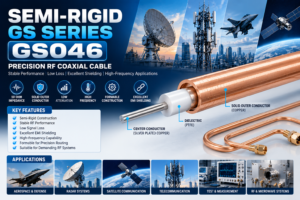
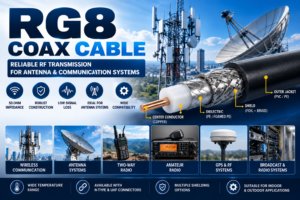
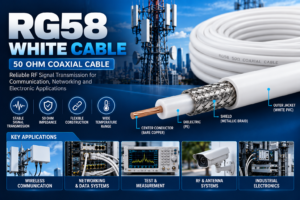
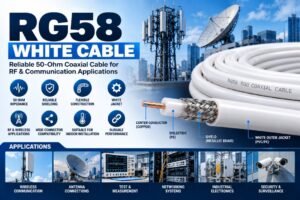
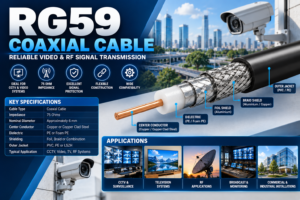
- RG58
- RG174
- RG213
- LMR240
- LMR400
- LMR600
Benefits:
- Signal protection
- Low attenuation
- High durability
Lightning Arrestors
Lightning protection devices safeguard equipment against electrical surges.
Advantages:
- Equipment protection
- Reduced downtime
- Improved safety
RF Jumpers
RF jumpers are short cable assemblies used to connect RF equipment.
Applications:
- Base stations
- DAS systems
- Testing environments
Benefits:
- Flexibility
- Easy maintenance
- Reliable performance
Weatherproofing Accessories
Outdoor RF installations require environmental protection.
Common accessories include:
- Weatherproof tapes
- Heat shrink tubes
- Sealing compounds
- Cable boots
Benefits:
- Moisture protection
- Extended equipment lifespan
- Reduced maintenance costs
Applications of RF Tools & Accessories
RF tools and accessories are used across multiple industries.
Telecommunications
Telecom operators use RF tools for:
- Mobile tower installation
- Network optimization
- Signal testing
- 5G deployment
Broadcasting
Broadcasting systems rely on RF accessories for:
- Radio transmission
- Television networks
- Signal distribution
Defense and Military
Military communication systems require precision RF components for secure communication.
Applications include:
- Tactical radio systems
- Radar installations
- Satellite communication
Industrial Automation
RF technology supports wireless monitoring and control systems.
Used in:
- Smart factories
- SCADA systems
- Remote monitoring
Public Safety Networks
Emergency communication systems depend on reliable RF infrastructure.
Examples include:
- Police communication
- Fire department networks
- Disaster response systems
How to Choose the Right RF Tools & Accessories
Selecting appropriate RF tools and accessories is essential for long-term network performance.
Consider Frequency Range
Ensure tools and accessories support the operating frequency of your system.
Higher-frequency systems require:
- Precision connectors
- Low-loss cables
- High-performance adapters
Evaluate Signal Loss
Choose components with minimal insertion loss.
Low-loss accessories improve:
- Coverage
- Efficiency
- Reliability
Check Environmental Conditions
Outdoor installations require:
- UV-resistant materials
- Waterproof protection
- Corrosion-resistant components
Verify Compatibility
Always confirm compatibility between:
- Connectors
- Cables
- Antennas
- RF equipment
Focus on Quality
High-quality RF accessories provide:
- Better durability
- Improved performance
- Reduced maintenance expenses
Best Practices for RF Installation
To maximize RF system performance:
Use Proper Tools
Avoid generic tools that may damage cables or connectors.
Follow Manufacturer Guidelines
Install components according to specifications.
Minimize Cable Length
Longer cables increase attenuation and signal loss.
Test Every Connection
Verify performance after installation.
Maintain Proper Grounding
Grounding protects equipment from electrical damage.
Perform Regular Maintenance
Routine inspections help identify issues before they affect performance.
Emerging Trends in RF Technology
The RF industry continues to evolve rapidly.
5G Expansion
5G networks require advanced RF tools and high-frequency accessories.
Key requirements include:
- Precision testing equipment
- Millimeter-wave connectors
- Advanced antenna systems
IoT Growth
The Internet of Things is increasing demand for RF connectivity solutions.
Applications include:
- Smart cities
- Smart homes
- Industrial IoT
RF Over Fiber
Combining fiber optics with RF transmission improves network capacity and performance.
Benefits:
- Lower signal loss
- Longer transmission distances
- Higher bandwidth
AI-Powered Network Optimization
Artificial intelligence is transforming RF network management through:
- Predictive maintenance
- Automated testing
- Real-time optimization
Conclusion
RF tools and accessories are indispensable components of modern communication infrastructure. From cable preparation and signal testing to antenna installation and network maintenance, these tools ensure reliable, efficient, and high-performance RF systems.
Whether deploying a cellular network, installing a wireless communication system, maintaining a broadcasting station, or supporting industrial automation, selecting the right RF tools and accessories can significantly improve signal quality, reduce downtime, and extend equipment lifespan.
As technologies such as 5G, IoT, and RF-over-fiber continue to expand, the demand for advanced RF tools and accessories will only grow. Investing in high-quality RF equipment today ensures future-ready communication networks capable of meeting tomorrow’s connectivity challenges.