
Leaky Feeder Cable
Leaky cables are advanced communication components used in telecom and RF systems, specially designed to provide continuous signal coverage in confined and challenging environments. Unlike standard RF cables, leaky cables allow controlled signal radiation, making them ideal for tunnels, underground areas, and large infrastructure projects.
At SRFS Teleinfra, we offer a wide range of high-performance leaky feeder cables suitable for metro tunnels, mining operations, railway systems, basements, and industrial facilities where traditional wireless coverage is limited.
Our leaky cables are engineered with precision slot design and high-quality shielding, ensuring uniform signal distribution, low attenuation, and reliable communication across the entire cable length. These cables support modern communication technologies including 4G, 5G, public safety networks, and RF communication systems.
All our leaky cables are manufactured in India using premium-grade materials and strict quality standards, ensuring durability, weather resistance, and long-term performance. With a strong focus on reliability and cost efficiency, SRFS Teleinfra provides dependable solutions for large-scale telecom and infrastructure projects across the country.
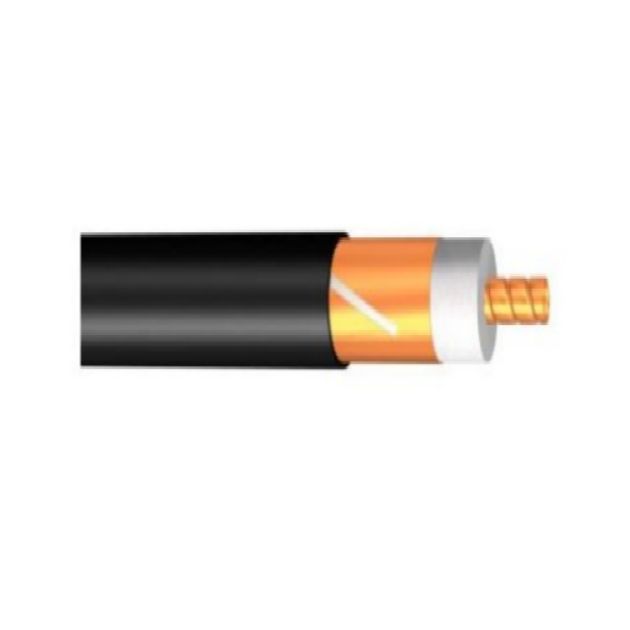
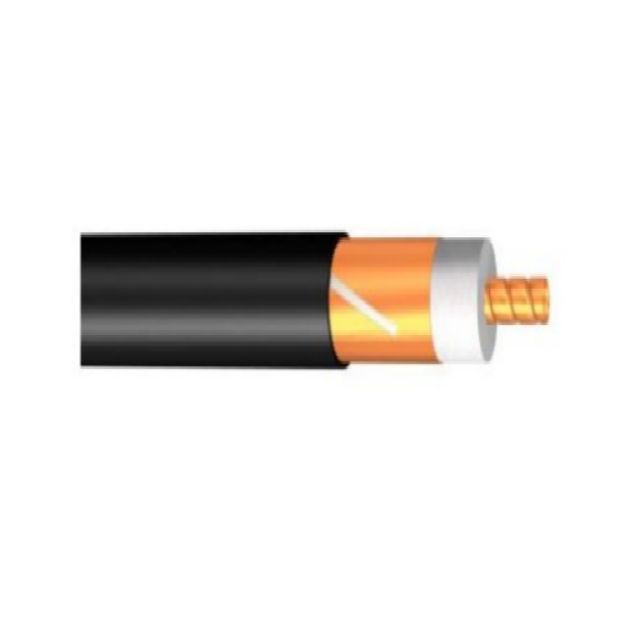
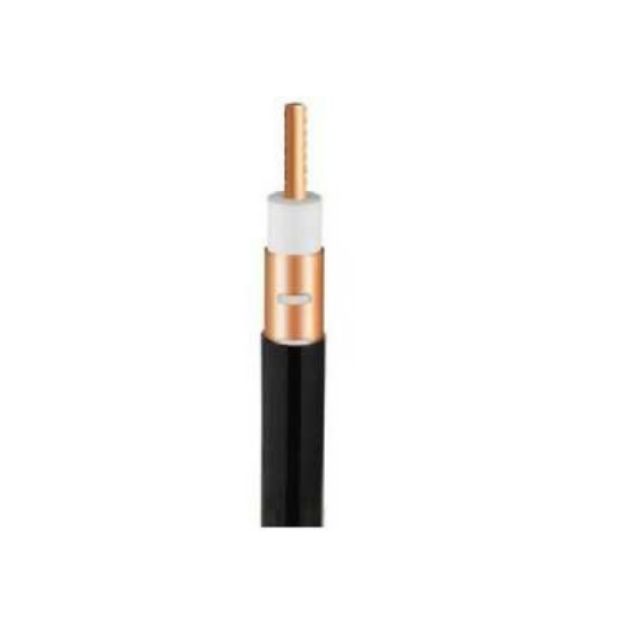
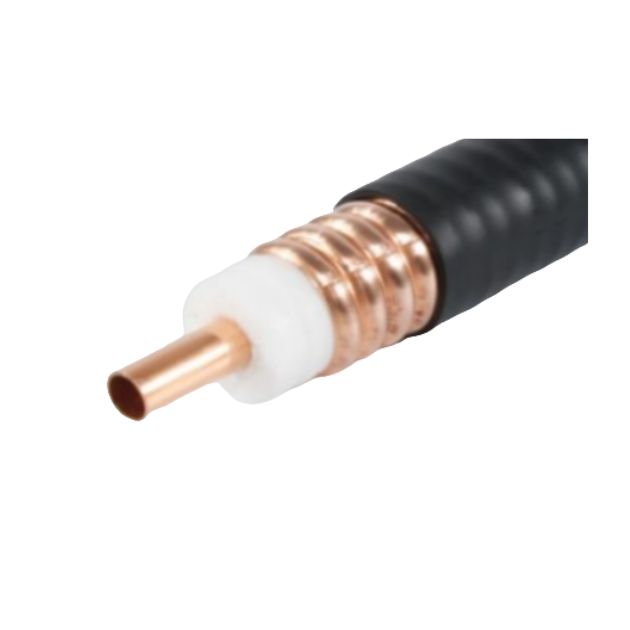
What is a Leaky Cable
A leaky cable is a modified coaxial cable that acts like a long antenna. It has small slots or gaps in its outer conductor that allow radio signals to “leak” in and out along the cable length.
This unique design allows the cable to provide continuous wireless coverage, making it ideal for environments where normal antennas cannot work efficiently.
Types of Leaky Cable
Leaky cables are available in different types based on design and application:
Continuous Leaky Cable
This type has continuous slots along the cable, allowing uniform signal radiation across the entire length.
Slotted Coaxial Cable
Features periodic slots or openings that act as radiating elements, providing controlled signal distribution.
Mode Converter Cable
Uses specific structures to convert guided waves into radiated signals at intervals.
Radiating Cable (LCX Cable)
A commonly used type in telecom and underground systems, designed for efficient RF coverage.
Leaky Cable Product Specifications
| Product Type | Description | Size / Type | Application |
|---|---|---|---|
| 1-1/4" Radiation Leaky Cable | High-performance radiating cable designed for uniform RF signal coverage in tunnels and underground systems. | 1-1/4 Inch | Metro tunnels, mining, telecom systems |
| 1-5/8" Radiation Leaky Cable | Heavy-duty leaky feeder cable with low attenuation for long-distance communication. | 1-5/8 Inch | Railways, large infrastructure projects |
| 7/8 Radiating Leaky Coaxial Cable | Compact and flexible cable suitable for medium-range signal distribution. | 7/8 Inch | Indoor tunnels, basements |
| 1-1/4 Coaxial Cable | Standard RF coaxial cable for efficient signal transmission with stable performance. | 1-1/4 Inch | Telecom and antenna systems |
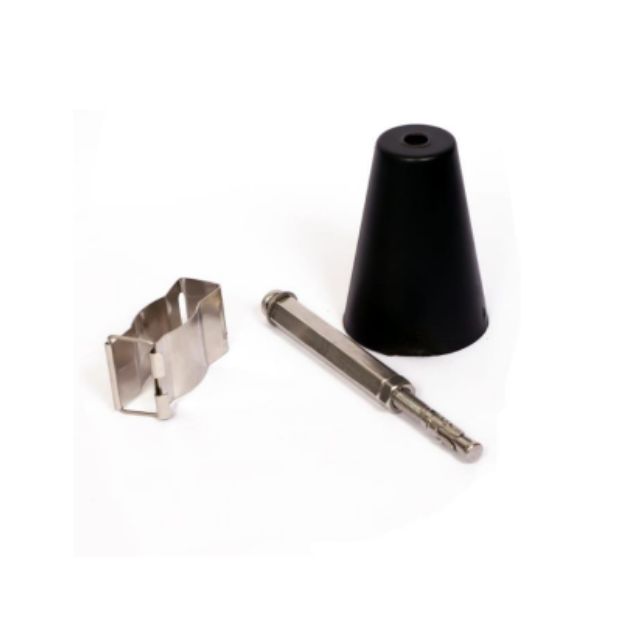
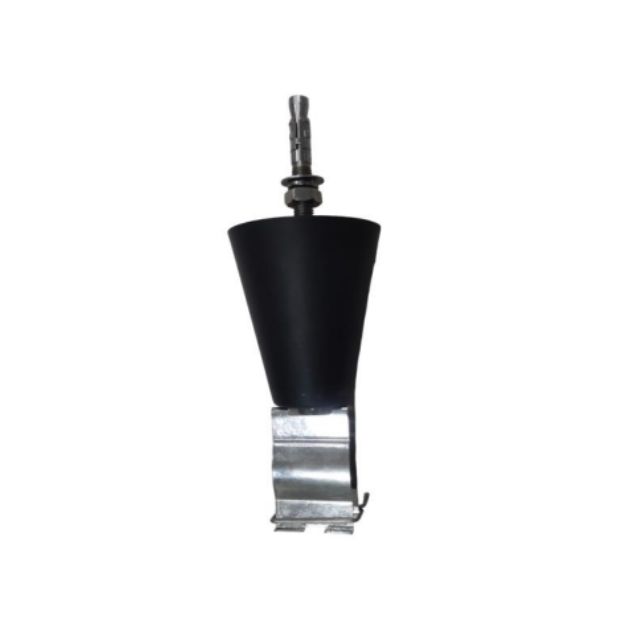
| SS 316L Clamp for 7/8 Leaky Cable (Wedge Anchor) | Corrosion-resistant stainless steel clamp for secure mounting in harsh environments. | SS 316L | Outdoor telecom installations |
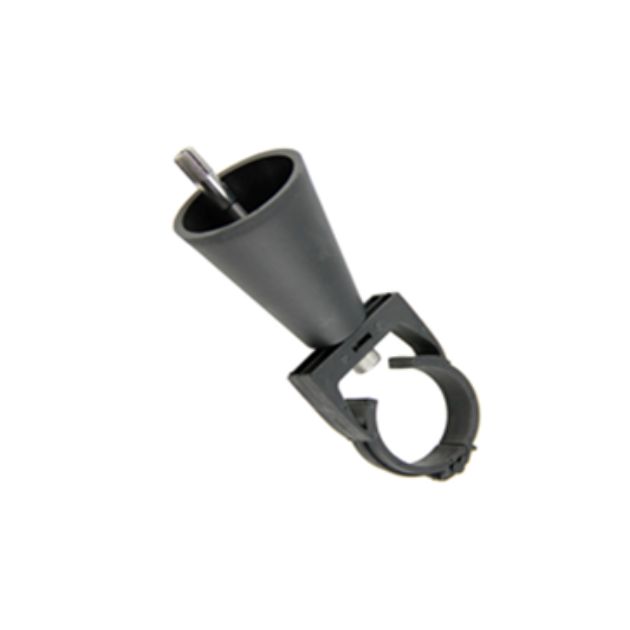
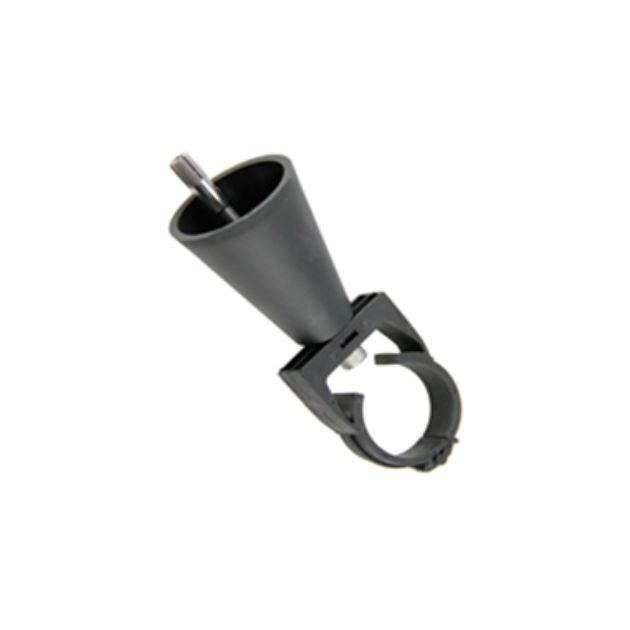
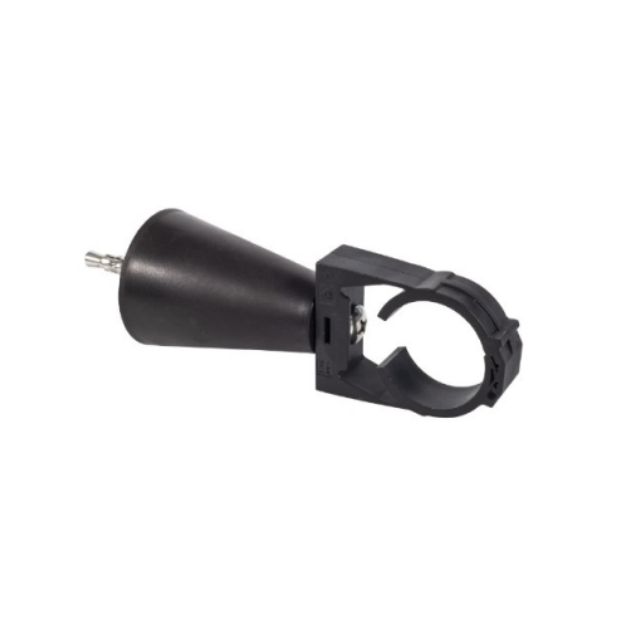
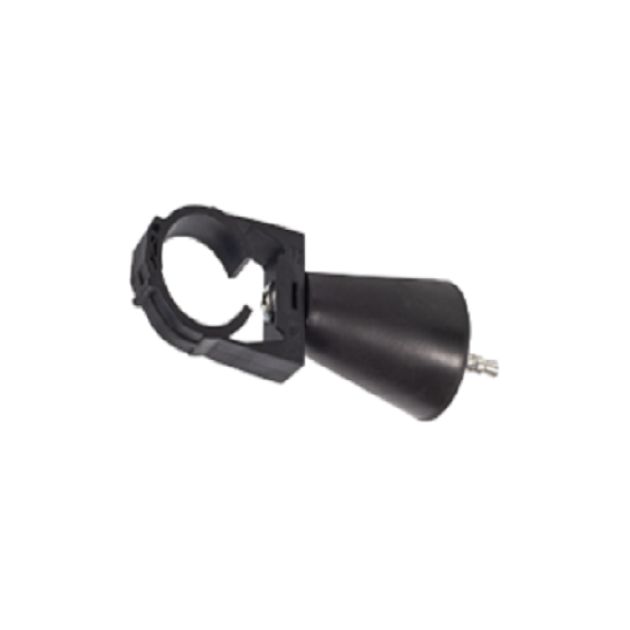
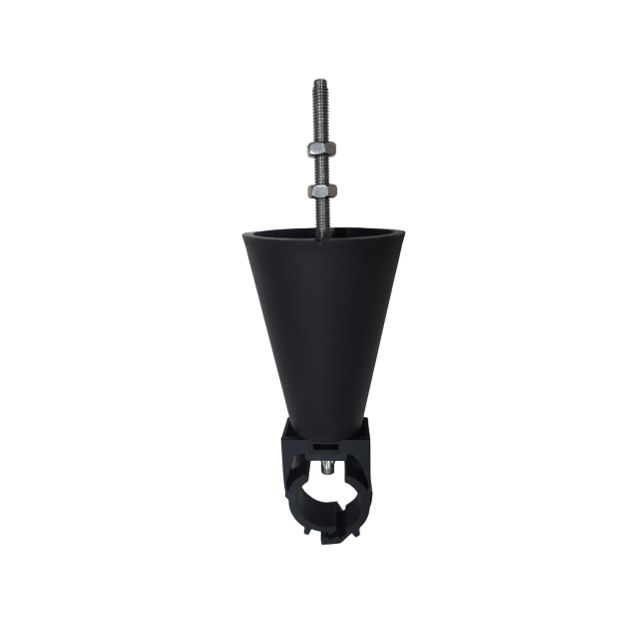
| PP Clamp for 1-5/8" Leaky Cable with M6 Bullet | Durable polypropylene clamp designed for strong grip and easy installation. | 1-5/8 Inch | Leaky cable support systems |
| PP Clamp for 1-1/4 Leaky Cable with M6 Bullet | Lightweight and reliable clamp for stable cable positioning. | 1-1/4 Inch | Telecom infrastructure |
| SS Clamp for 7/8 Leaky Cable with M8 Wedge | Heavy-duty stainless steel clamp suitable for high-strength mounting applications. | 7/8 Inch | Industrial and outdoor setups |
| PP Clamp for 1-5/8 Leaky Cable Wedge | High-strength clamp ensuring long-term stability and secure installation. | 1-5/8 Inch | RF cable mounting |
| PP Clamp for 1-1/4 Leaky Cable with M6 Wedge | Reliable clamp designed for telecom and RF cable management. | 1-1/4 Inch | Indoor and outdoor installations |
| PP Clamp for 7/8 Leaky Cable with M6 Wedge | Compact clamp for efficient routing and support of leaky cables. | 7/8 Inch | Basements, tunnels, RF systems |
Technical Specifications of Leaky Cable
Understanding technical specifications is important for selecting the right leaky cable.
Impedance
Typically 50 Ohms, suitable for RF communication systems.
Frequency Range
Generally operates in VHF and UHF bands (below 1 GHz for optimal performance).
Coupling Loss
Indicates the signal loss between the cable and nearby devices. Lower coupling loss means better signal strength.
Longitudinal Attenuation
Represents signal loss along the cable length.
Power Handling
Depends on cable size and construction.
Operating Temperature
Usually ranges from -40°C to +85°C for industrial use.
Applications of Leaky Cable
Leaky cables are widely used in environments where traditional wireless coverage is difficult.
Mining Industry
Used for communication between workers and control systems in underground mines.
Railway Tunnels
Provides continuous communication for metro systems and emergency services in underground rail networks.
Road Tunnels
Ensures radio and mobile signal coverage inside long tunnels.
Industrial Buildings
Used in large warehouses, factories, and parking areas where signal penetration is poor.
Airports and Aircraft
Provides onboard communication and Wi-Fi coverage in aircraft cabins.
Military and Defense
Used in secure communication systems in confined environments.
Key Performance Factors
Choosing the right leaky cable depends on:
- Frequency compatibility
- Coupling loss performance
- Attenuation levels
- Environmental durability
- Installation requirements
Proper selection ensures consistent signal coverage and reliable communication.
Working Principle of Leaky Cable
Leaky cables operate as a distributed antenna system.
- The cable has slots in its outer conductor
- RF signals “leak” in and out along the cable length
- Provides continuous signal coverage
- Repeaters are used for long-distance installations
This allows seamless communication in areas where traditional antennas fail.
Why Choose us
Uniform Signal Coverage
Designed to provide continuous RF signal distribution across the entire cable length for seamless communication.
Low Signal Attenuation
Engineered with advanced materials to ensure minimal signal loss over long distances.
High Durability
Built with robust outer jackets and strong construction for long-term performance in harsh environments.
Easy Installation
Flexible design and compatibility with accessories allow quick and efficient installation.
Frequently Asked Questions
Leaky cables typically operate at a 50 Ohm impedance, making them compatible with most RF and telecom communication systems.
Coupling loss refers to the signal strength difference between the cable and nearby receiver. Lower coupling loss ensures better signal coverage and performance.
Longitudinal attenuation is the signal loss along the length of the cable. It determines how far the signal can travel before amplification is needed.
Leaky cables generally operate in VHF and UHF bands (30 MHz to 1000 MHz), though some advanced cables support higher frequencies.
Leaky cables have slots or apertures in the outer conductor, allowing RF signals to leak in and out, acting like a distributed antenna.
A standard coaxial cable prevents signal leakage, while a leaky cable is designed to intentionally radiate signals for coverage.
Repeaters are used to boost signal strength at intervals, ensuring consistent communication over long distances.
Leaky cables are made of:
- Copper or CCA inner conductor
- Foam dielectric insulation
- Slotted outer conductor
- Protective outer jacket
Performance depends on:
- Frequency
- Cable length
- Coupling loss
- Installation environment
- Quality of shielding
Leaky cables typically operate between -40°C to +85°C, making them suitable for harsh environments.