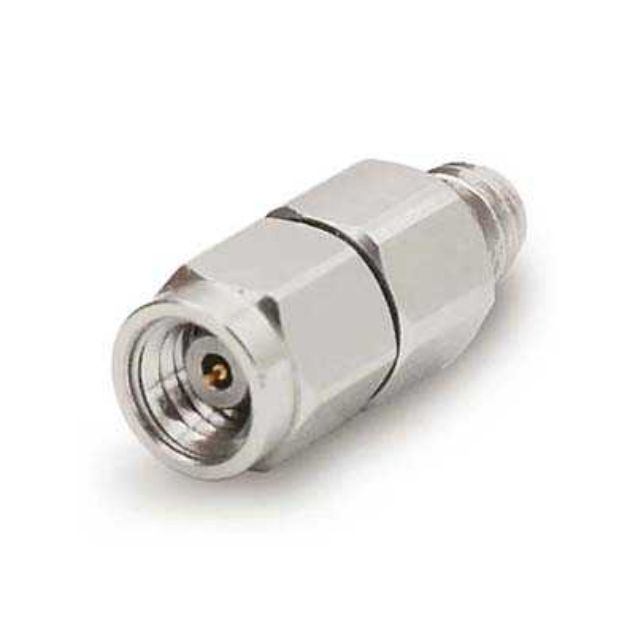
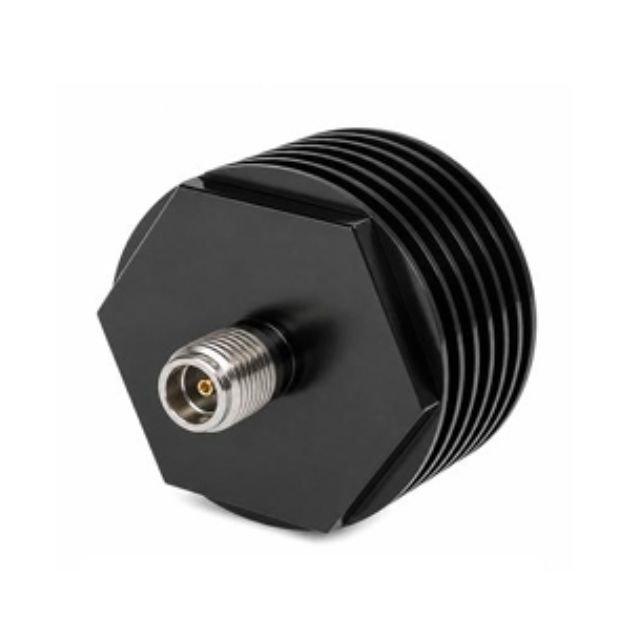
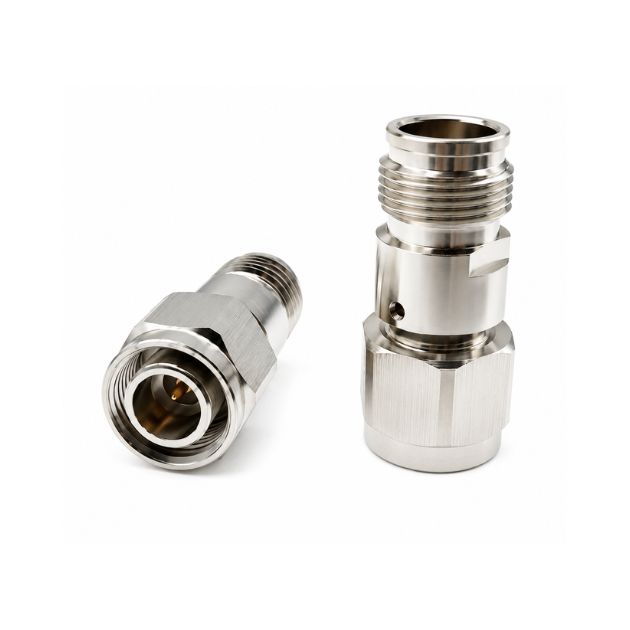
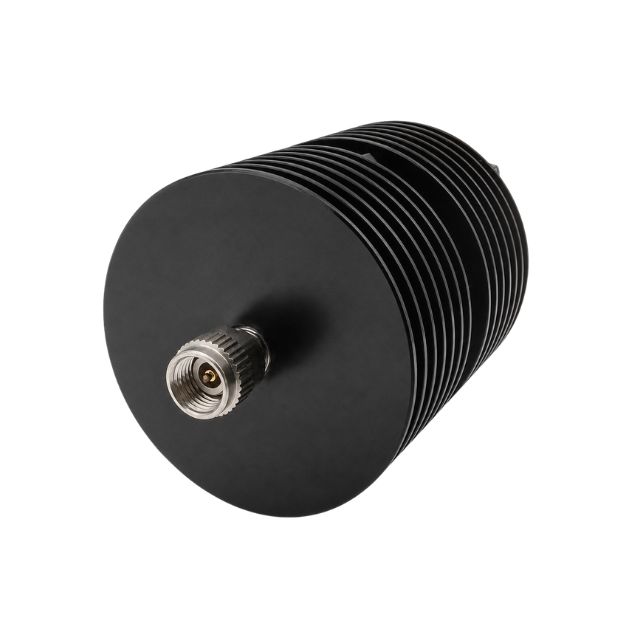
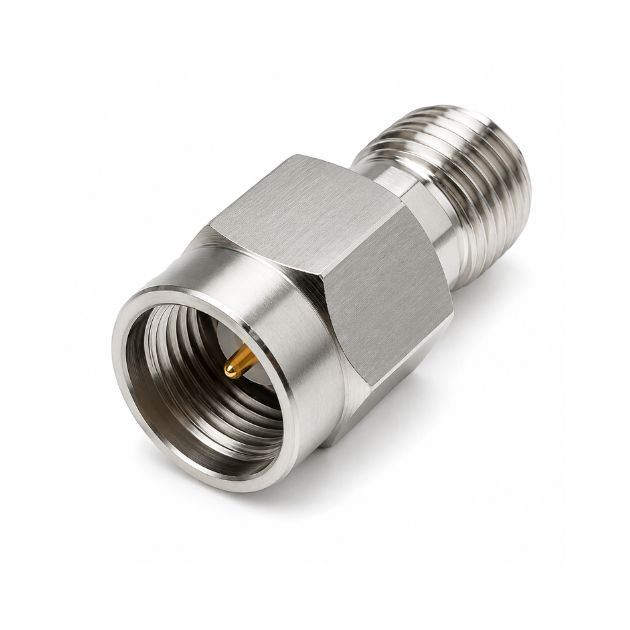
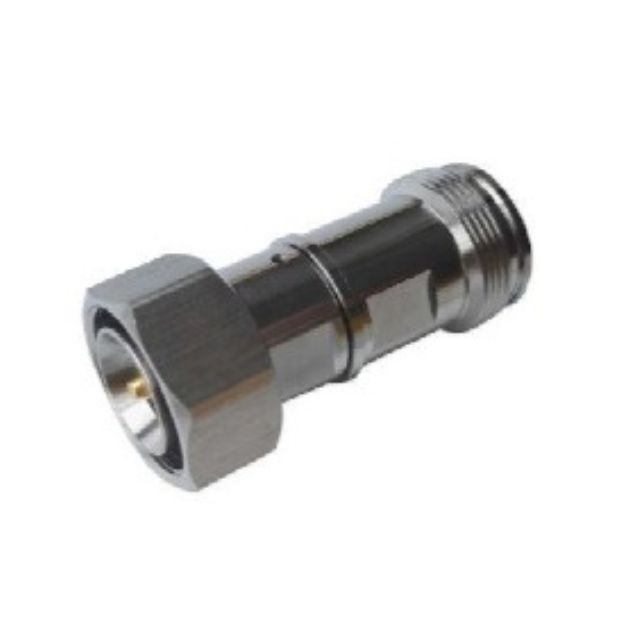
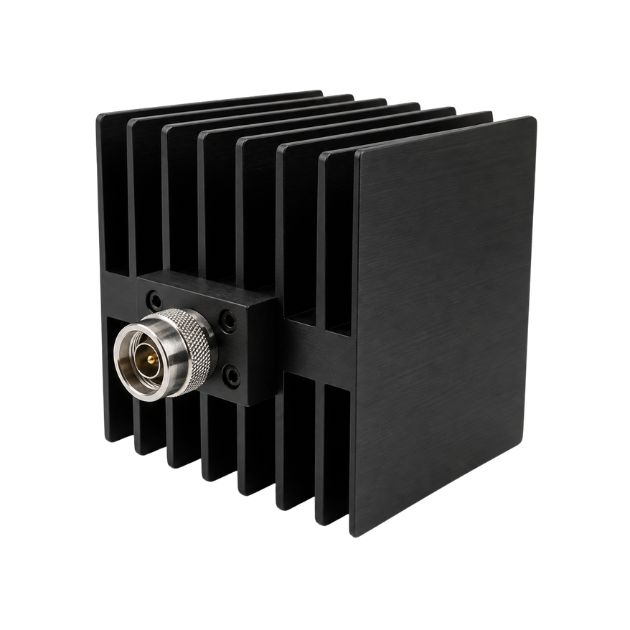
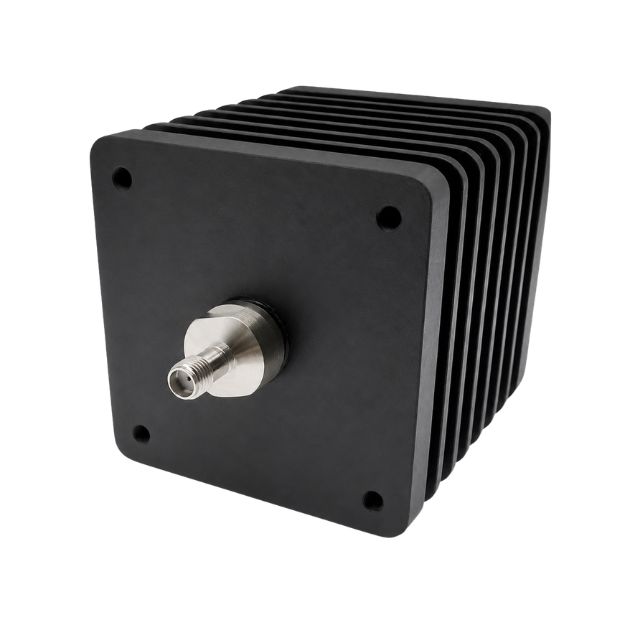
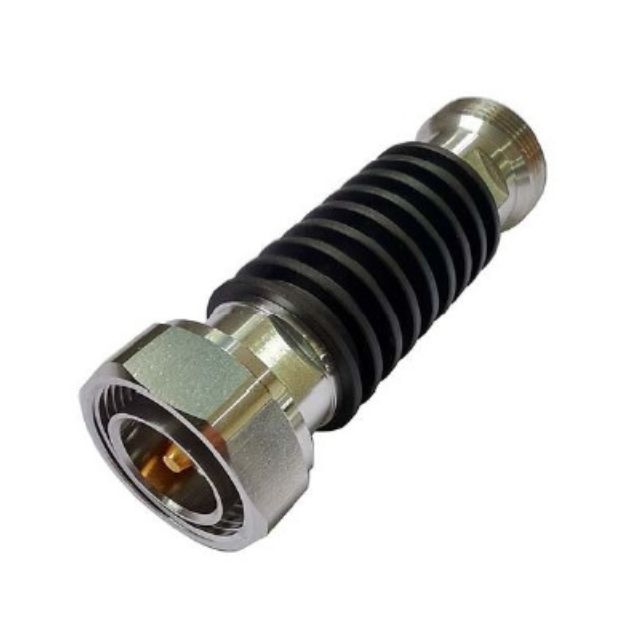
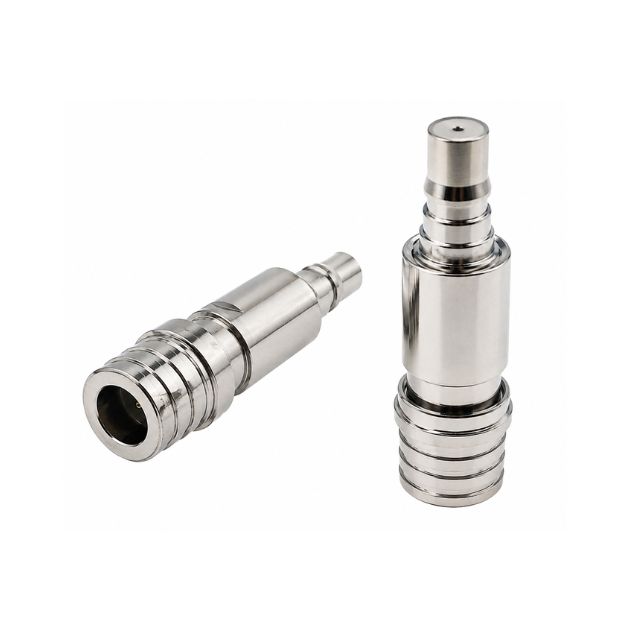
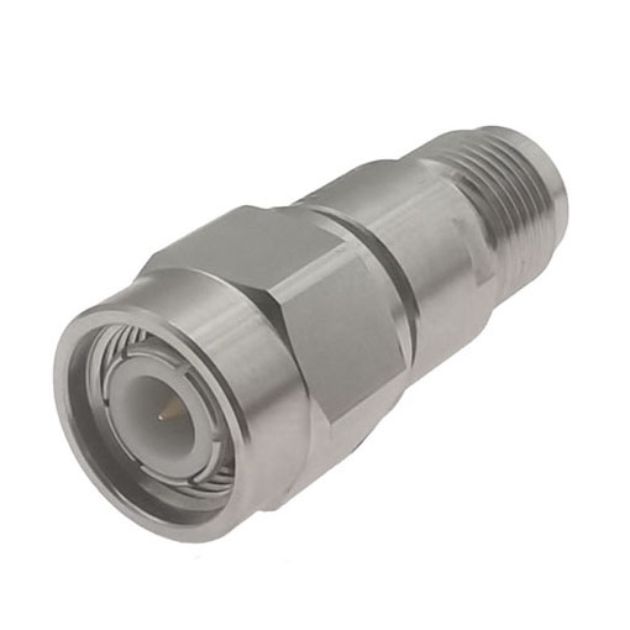
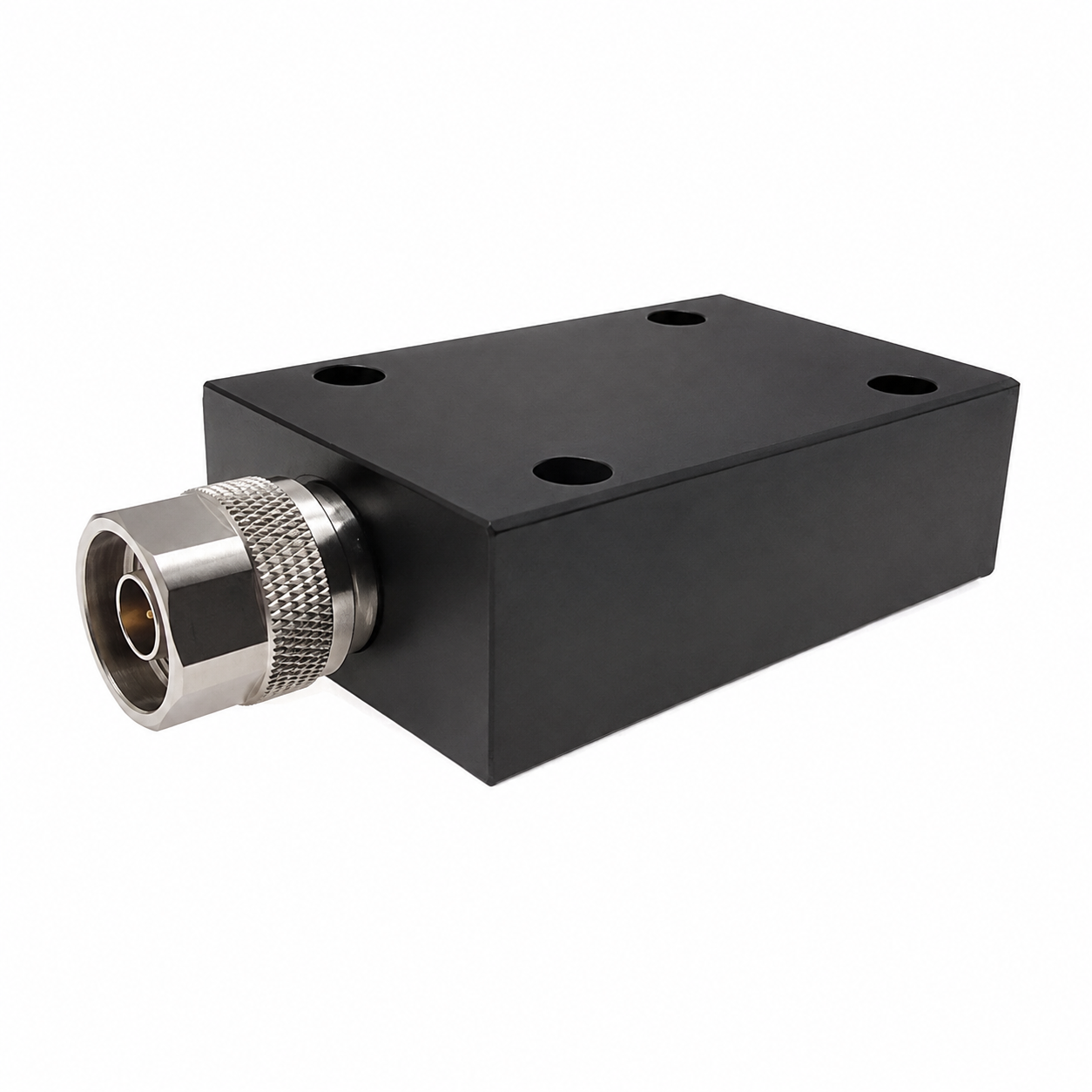
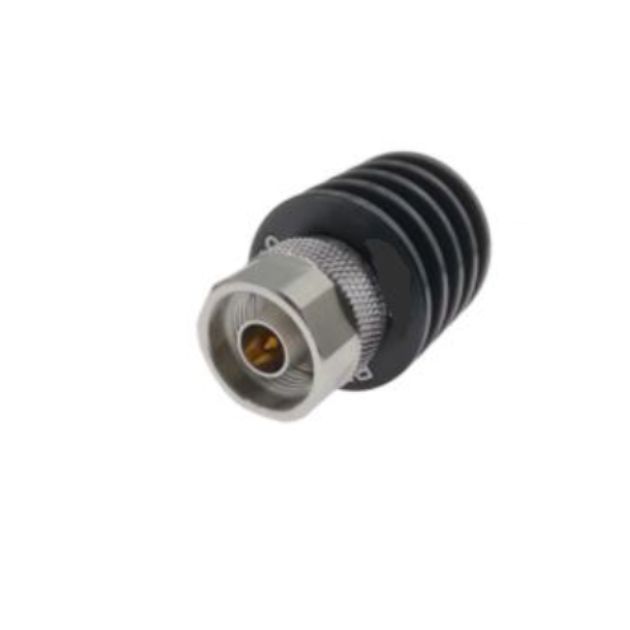
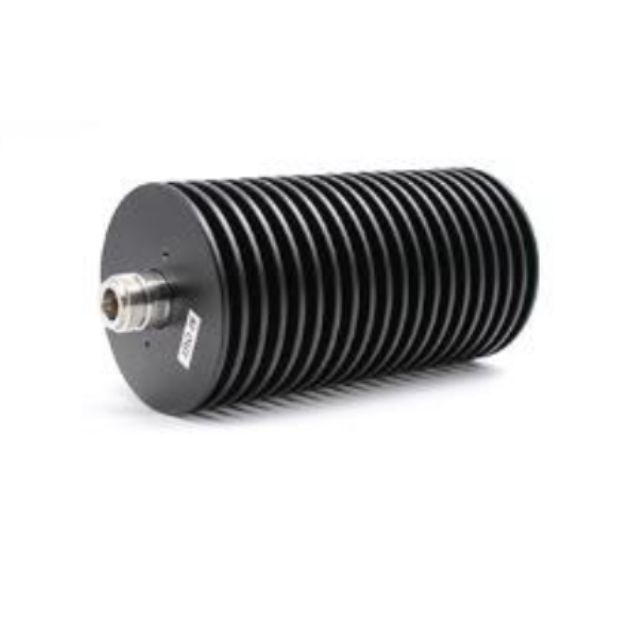
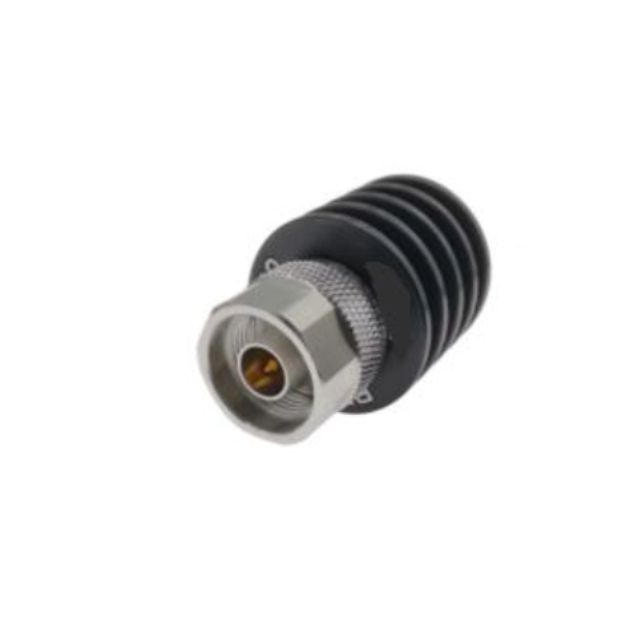
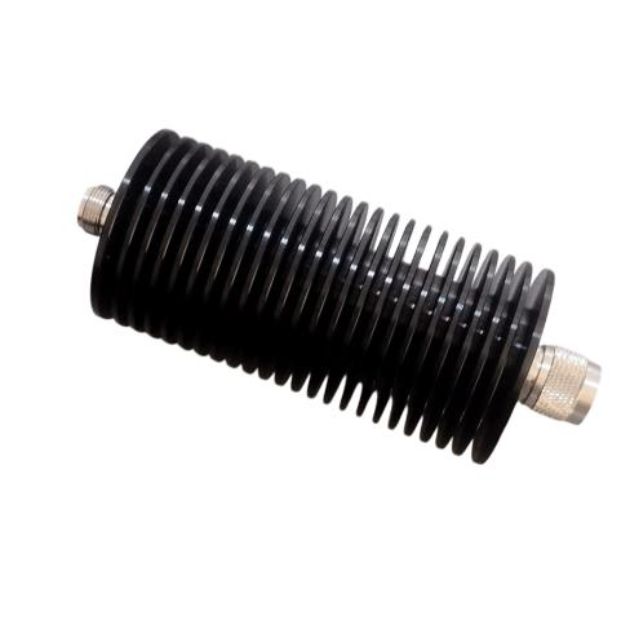
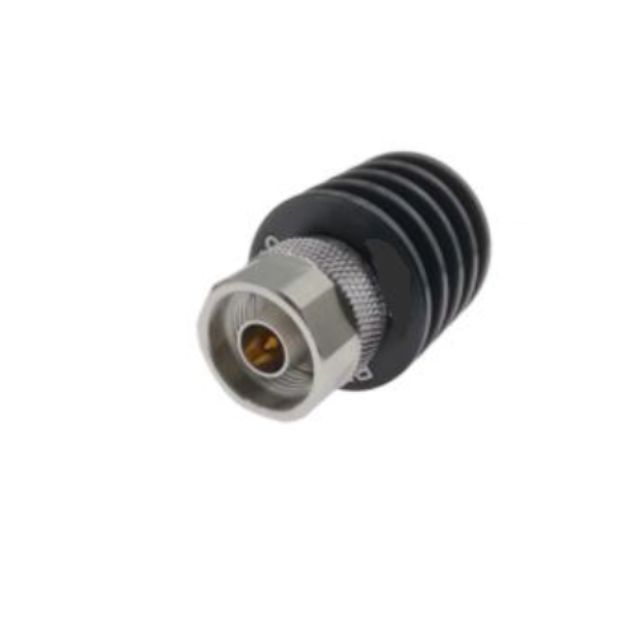
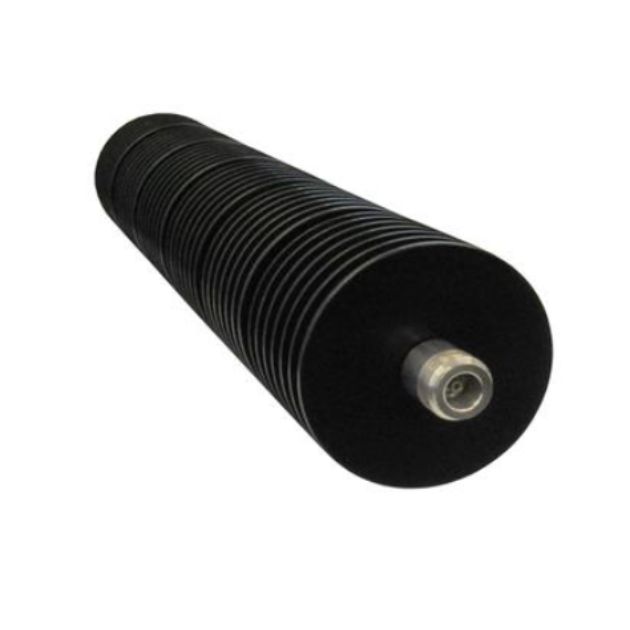
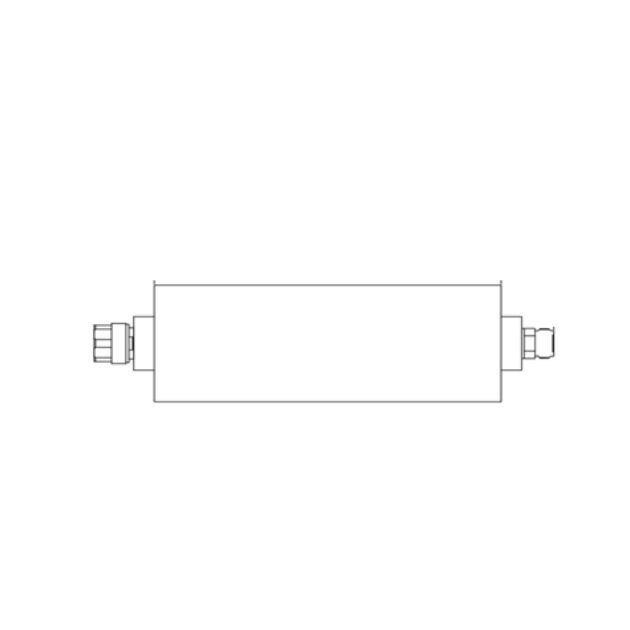
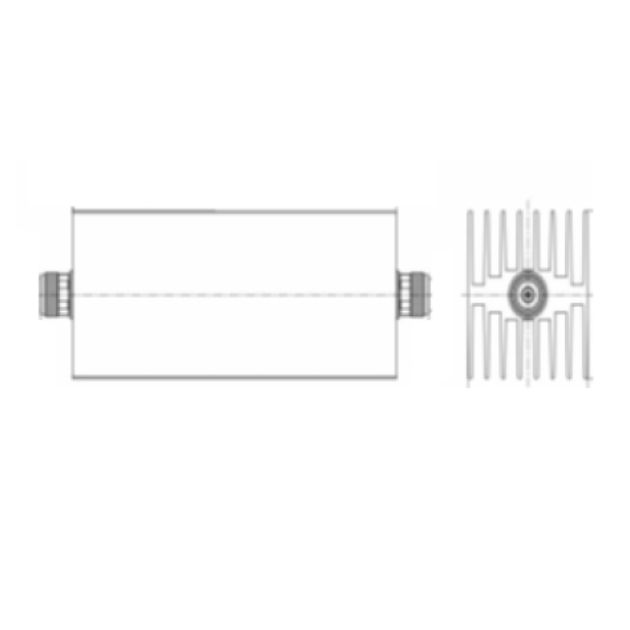
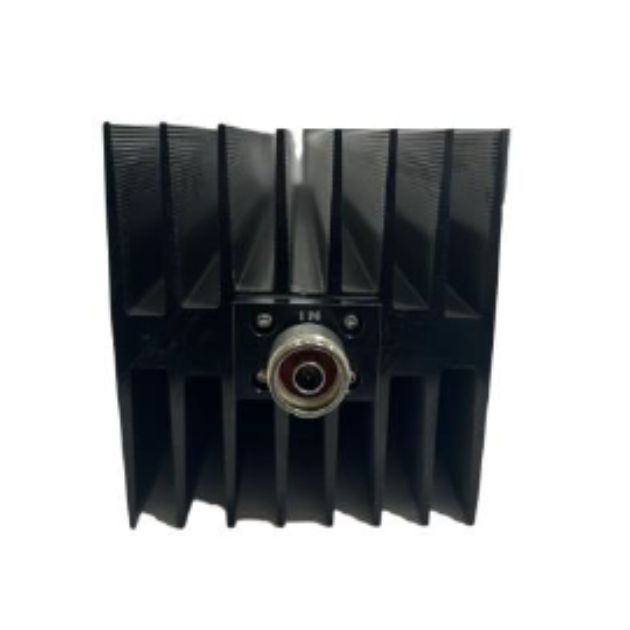
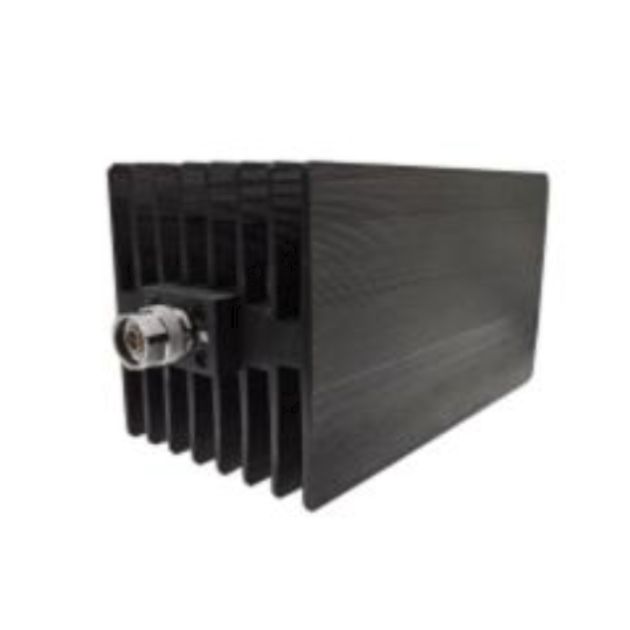
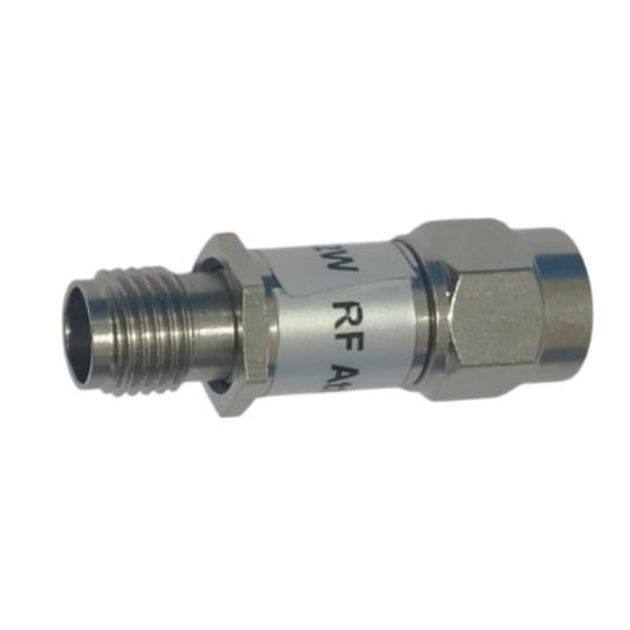
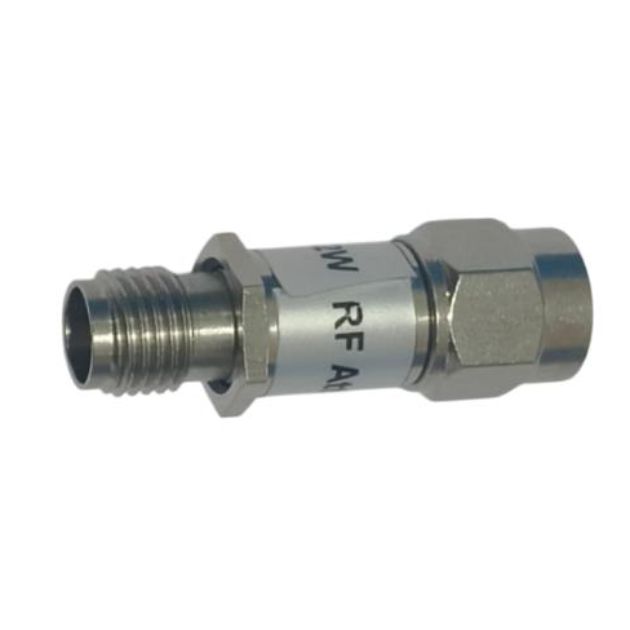
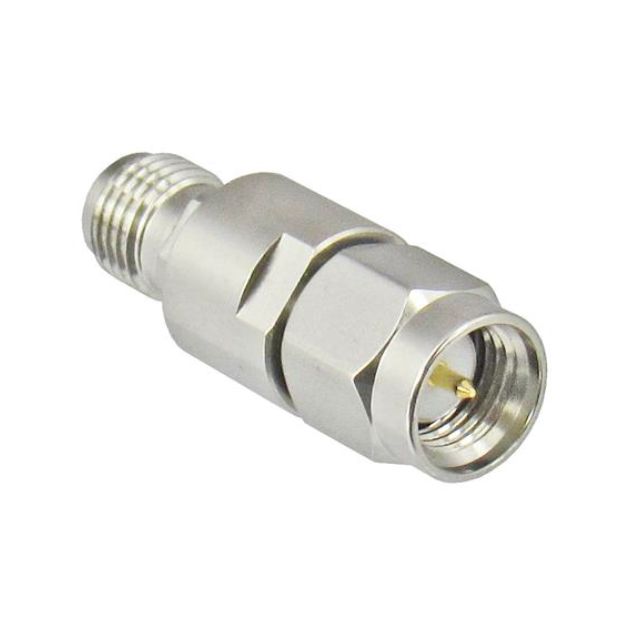
RF attenuators are essential components used in telecom and RF systems to control signal power and maintain stable transmission performance. These devices are designed to reduce the strength of RF signals without distorting waveform or frequency characteristics, ensuring efficient signal management across communication networks.
At SRFS Teleinfra, we offer high-performance RF attenuators engineered for precise signal control, low reflection, and reliable operation in telecom, testing, and wireless communication systems.
Our RF attenuators are manufactured using advanced materials and precision engineering to ensure accurate attenuation values, consistent impedance matching, and long-term durability even in demanding environments.
All our RF attenuators are made in India under strict quality standards, providing reliable performance, cost-effective solutions, and stable operation for telecom infrastructure, RF testing, and industrial communication applications.
An RF attenuator is a passive electronic component used to reduce the power level of a radio frequency signal in a controlled manner, typically measured in decibels (dB). It helps maintain signal balance, prevent overload, and ensure proper system performance.
RF attenuators play a critical role in telecom and RF systems by protecting sensitive equipment, improving signal stability, and enabling precise signal adjustment across different components.
Types of RF Attenuators
RF attenuators are available in different types depending on application and control requirements:
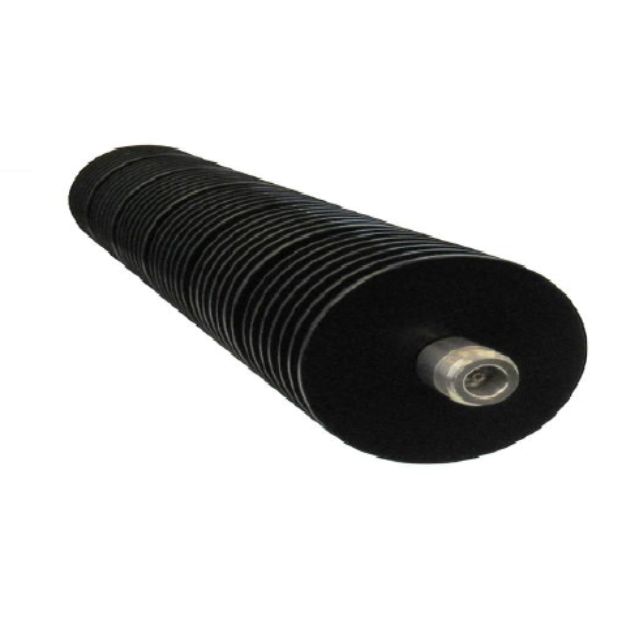
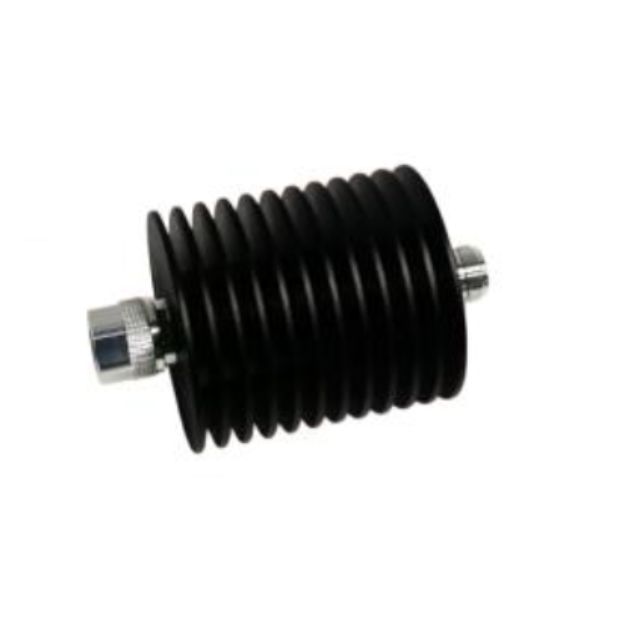
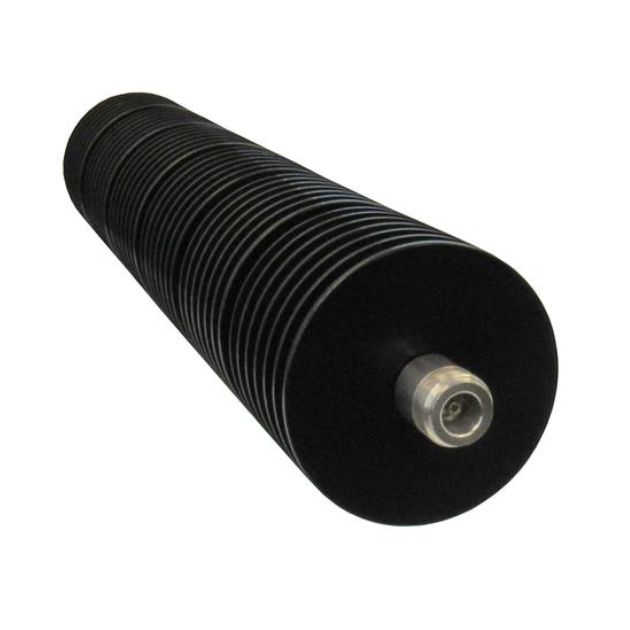
Fixed RF Attenuator
Provides a constant level of attenuation and is widely used in telecom systems for stable signal control.
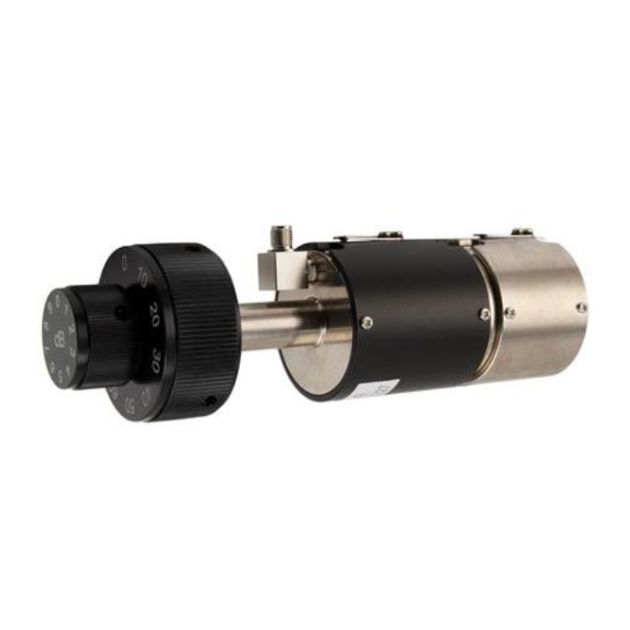
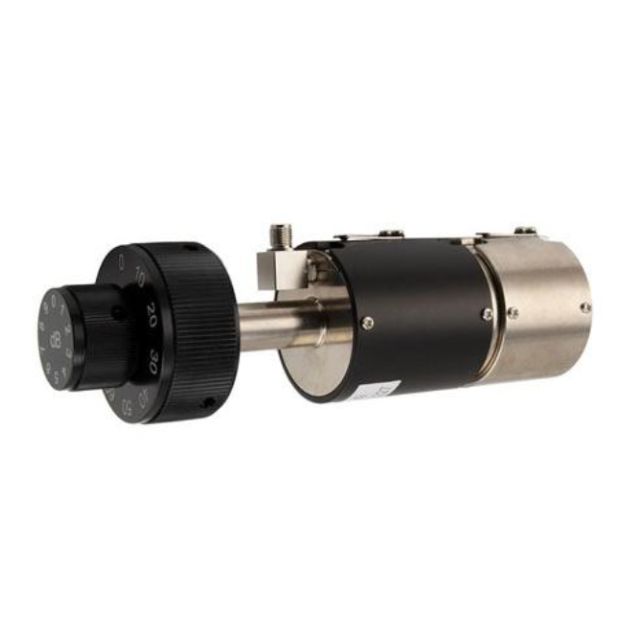
Variable RF Attenuator
Allows adjustable attenuation levels, useful in testing and measurement applications.
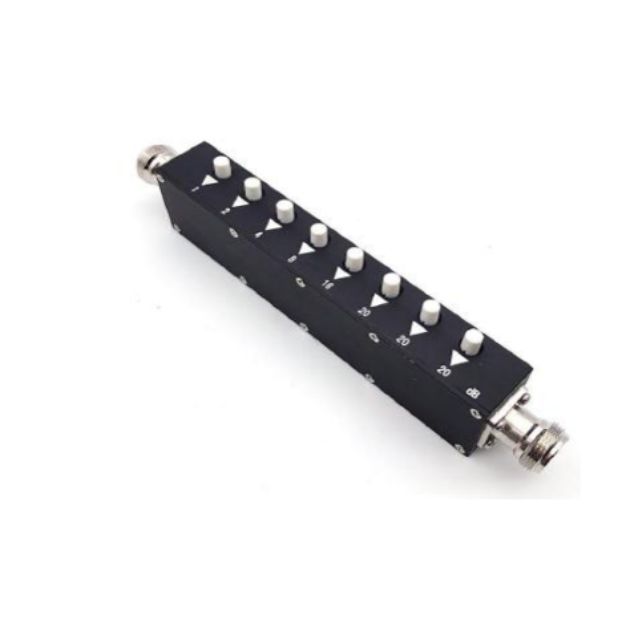
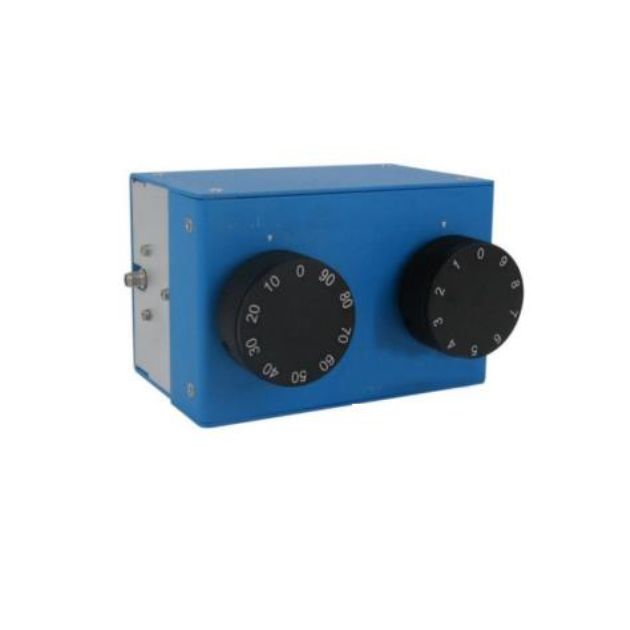
Step Attenuator
Offers selectable attenuation levels in fixed steps for precise signal control.
Programmable Attenuator
Electronically controlled attenuators used in advanced RF systems and automated setups.
Technical Specifications of RF Attenuators
Our RF attenuators are designed to meet telecom industry standards and deliver reliable performance:
Impedance
Typically available in 50 Ohm to ensure proper signal matching and minimal reflection.
Frequency Range
Supports operation from MHz to GHz range for telecom and RF applications.
Attenuation Value
Available in multiple dB values such as 3dB, 6dB, 10dB, 20dB for controlled signal reduction.
VSWR (Voltage Standing Wave Ratio)
Low VSWR ensures minimal signal reflection and efficient power transfer.
Power Handling
Designed to handle low to high RF power levels depending on application requirements.
Applications of RF Attenuators
RF attenuators are widely used across telecom and RF systems:
Telecom towers and BTS installations
4G / 5G network infrastructure
RF testing and measurement equipment
Antenna systems and signal conditioning
Broadcasting and wireless communication systems
Laboratory and calibration setups
These components are critical for maintaining signal stability and preventing equipment damage in high-power RF environments.
Key Performance Factors
Choosing the right RF attenuator depends on several important factors:
Attenuation value (dB requirement)
Frequency range compatibility
Impedance matching (50 Ohm standard)
Power handling capacity
Low VSWR and signal stability
Proper selection ensures accurate signal control, improved system performance, and long-term reliability in telecom and RF systems.
RF Attenuator Product Specifications
Product Type
Attenuation (dB)
Power Rating
Frequency Range
Connector Type
Coaxial Fixed Attenuator
40 dB
600W
DC–18 GHz
-
Coaxial Fixed Attenuator
10 dB
10W
DC–6 GHz
-
Fixed Attenuator
20 dB
100W
DC–18 GHz
N (M-F)
Fixed Attenuator
40 dB
150W
Up to 18 GHz
-
Rotary Stepped Attenuator
0–69 dB
-
RF Range
-
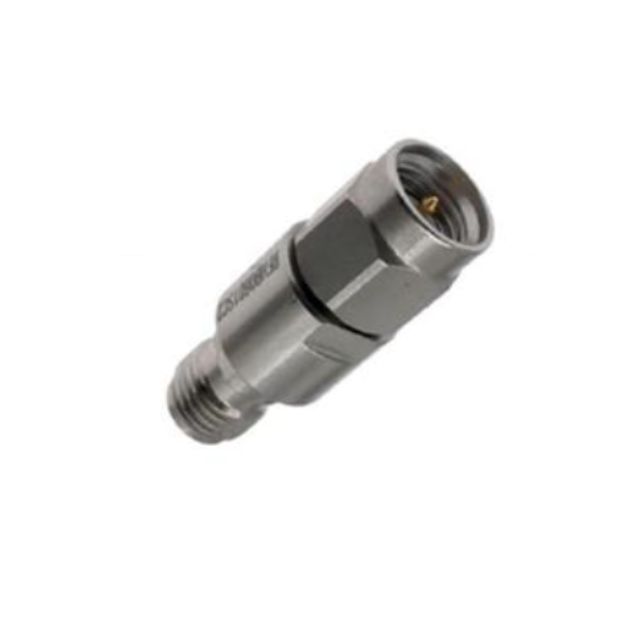
SMA Attenuator
5 dB
-
RF Range
SMA
Variable Step Attenuator
0–50 dB
5W
RF Range
-
Coaxial Fixed Attenuator
20 dB
10W
DC–6 GHz
-
N Type Attenuator
30 dB
100W
RF Range
N Type (M-F)
Coaxial Fixed Attenuator
30 dB
10W
RF Range
-
Coaxial Attenuator
40 dB
200W
DC–18 GHz
N (M-F)
Coaxial Attenuator
40 dB
200W
DC–3 GHz
N (M-F)
Coaxial Attenuator
40 dB
200W
DC–6 GHz
N (M-F)
Fixed Attenuator
40 dB
500W
DC–8.5 GHz
N (M-F)
Fixed Attenuator
60 dB
200W
Up to 18 GHz
-
Fixed Attenuator
3 dB
-
DC–40 GHz
-
Fixed Attenuator
10 dB
-
DC–40 GHz
-
SMA Fixed Attenuator
6 dB
2W
DC–18 GHz
SMA (M-F)
N Type Fixed Attenuator
-
100W
DC–18 GHz
N Type
Fixed Attenuator
50 dB
300W
Up to 18 GHz
-
RF Step Attenuator
Variable
-
DC–18 GHz
-
Rotary Stepped Attenuator
Variable
-
RF Range
-
Why Choose us
Precise Signal Control
Our RF attenuators provide accurate attenuation values for controlled signal reduction and stable system performance.
High Power Handling Capability
Engineered to handle varying RF power levels, ensuring reliable operation in telecom and RF applications.
Low VSWR & Minimal Reflection
Designed for efficient signal transmission with reduced reflection and improved impedance matching.
Durable & Reliable Build
Manufactured using high-quality materials for long-lasting performance in demanding environments.
An RF attenuator is used to reduce signal power in a controlled manner to prevent overload, improve signal stability, and maintain proper system performance.
VSWR (Voltage Standing Wave Ratio) indicates how efficiently RF power is transmitted. A low VSWR ensures minimal signal reflection and better performance.
Signal reflection occurs when there is an impedance mismatch, causing part of the signal to bounce back toward the source, which can reduce efficiency and damage equipment.
Fixed attenuators provide a constant attenuation value, while variable attenuators allow adjustable signal reduction for testing and tuning applications.