HLF- LMR Cable
HLF LMR Cables are high-performance low-loss RF coaxial cables widely used in telecom, wireless communication, broadband, and RF transmission systems. These cables are specially designed to deliver stable signal transmission with minimal attenuation and excellent shielding performance across high-frequency applications.
At SRFS Teleinfra, we offer premium-quality HLF LMR Cables engineered for reliable connectivity, low signal loss, and superior durability in demanding RF and telecom environments. Our cables are ideal for 4G/5G networks, Wi-Fi systems, DAS installations, GPS applications, RF antennas, and telecom infrastructure projects.
Manufactured using high-grade conductors, advanced dielectric insulation, and durable outer jackets, our HLF LMR cables provide excellent EMI shielding, high flexibility, weather resistance, and long operational life. These cables are designed to maintain signal integrity and deliver consistent RF performance in both indoor and outdoor installations.
SRFS Teleinfra provides HLF LMR cable solutions in multiple sizes including LMR 100, LMR 195, LMR 240, LMR 300, LMR 400, LMR 600, and customized RF cable configurations based on application requirements.
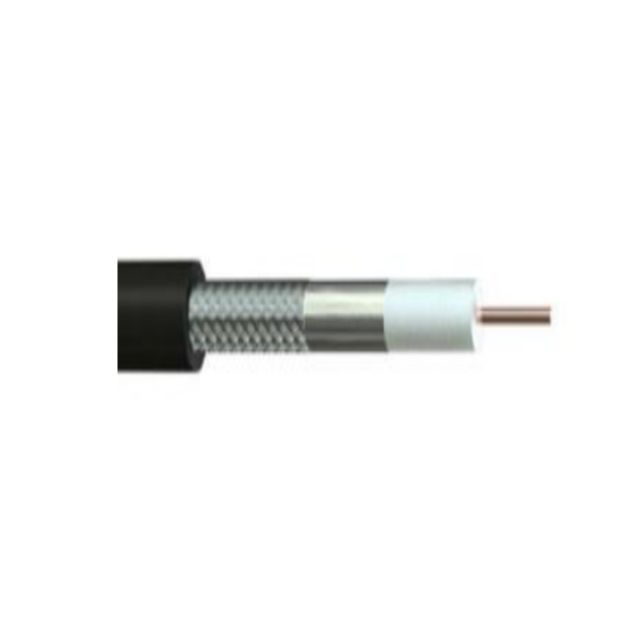
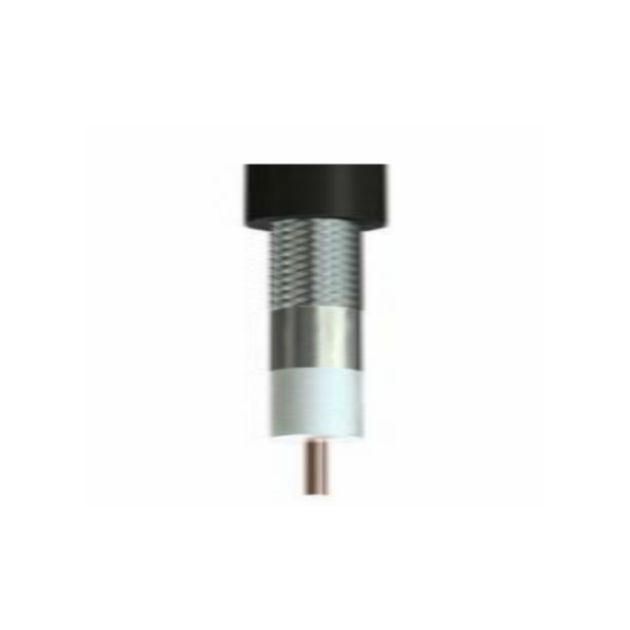
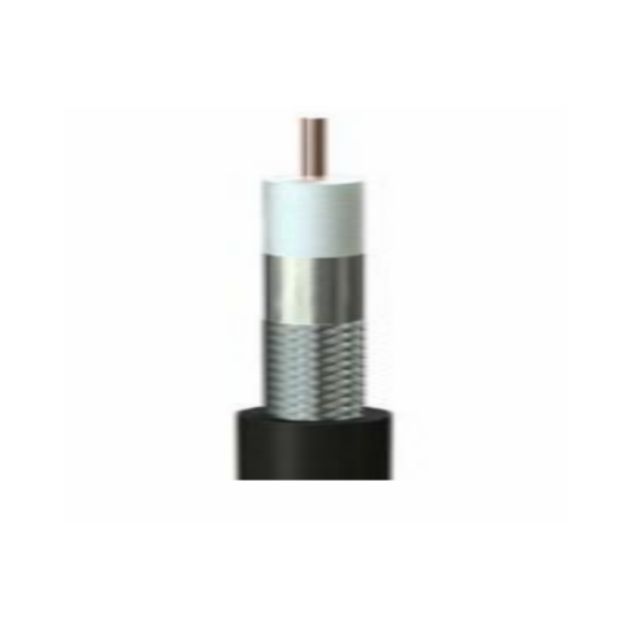
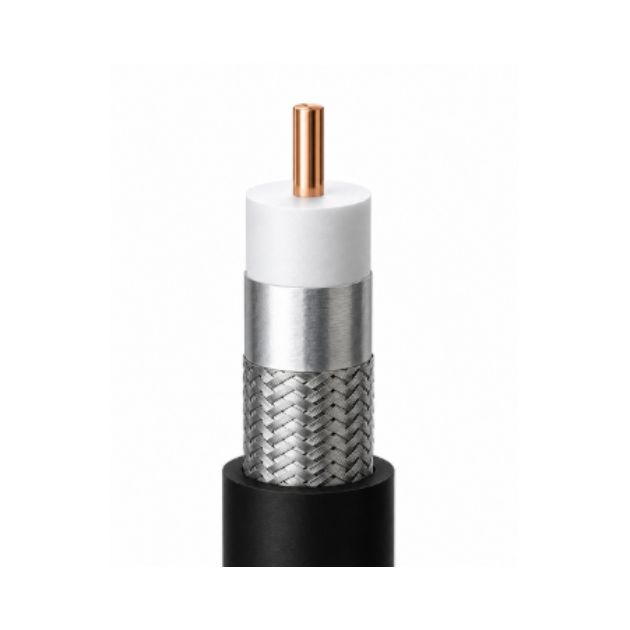
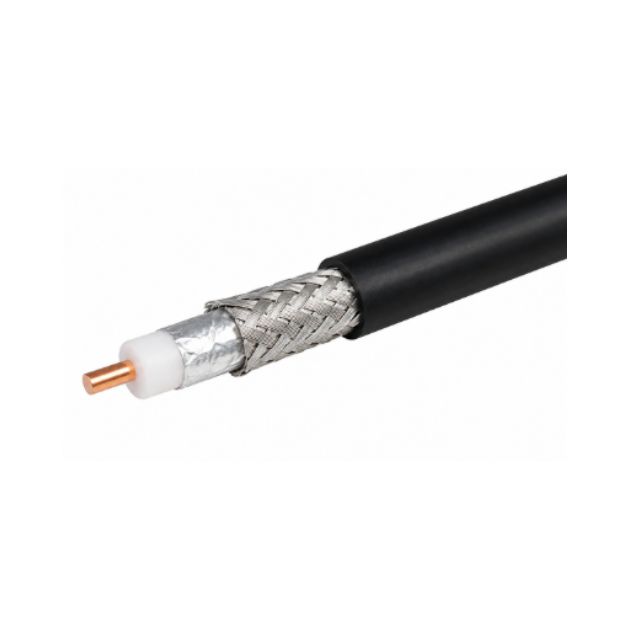
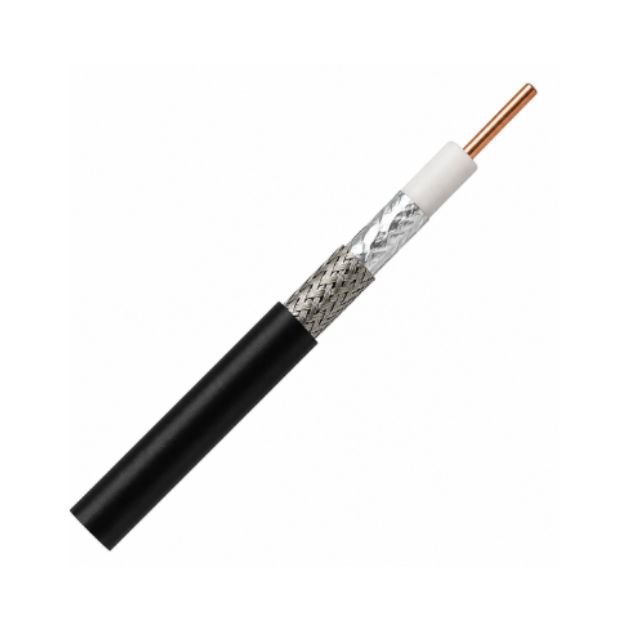
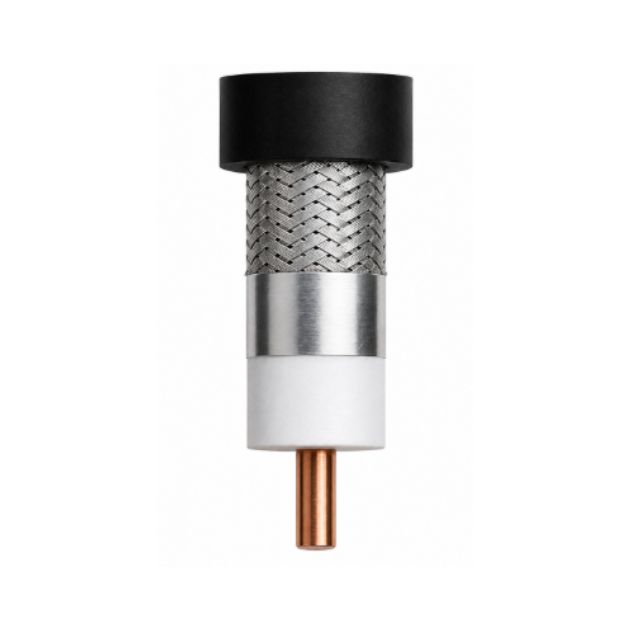
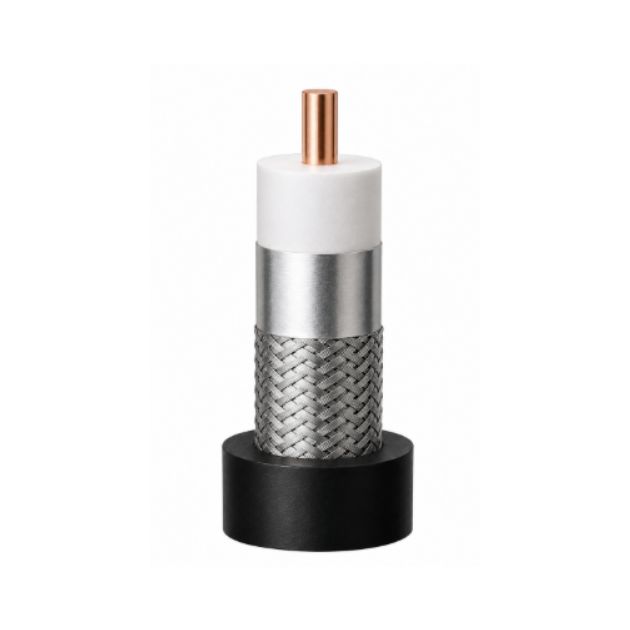
What is HLF LMR Cable?
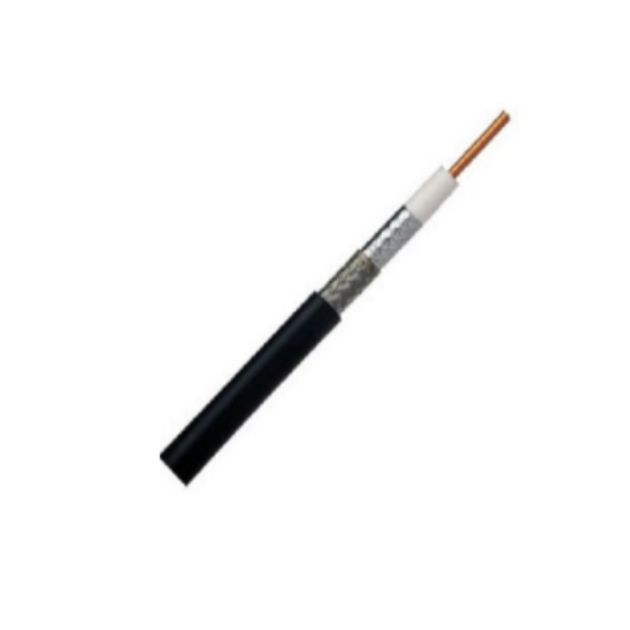
HLF LMR cable is a type of low-loss coaxial cable used to transmit RF signals from one point to another with minimal attenuation. These cables are designed with advanced shielding and dielectric materials to ensure stable signal performance across various frequencies.
Types of HLF LMR Cables
We offer a complete range of HLF LMR cables to meet different application requirements:
- HLF LMR 100 Coaxial Cable
- HLF LMR 195 Coaxial Cable
- HLF LMR 200 Coaxial Cable
- HLF LMR 240 Coaxial Cable
- HLF LMR 300 Coaxial Cable
- HLF LMR 400 Coaxial Cable
- HLF LMR 500 / 600 / 900 Coaxial Cable
These cables are available in flexible, semi-rigid, and low-loss variants for different installation needs.
HLF LMR Cable Product Specifications
| Product Type | Description | Impedance | Application |
|---|---|---|---|
| HLF/LMR 100 Coaxial Cable | Ultra-flexible low-loss RF cable suitable for compact installations and short-distance signal transmission. | 50 Ohm | Wi-Fi routers, GPS, small RF devices |
| HLF/LMR 195 Coaxial Cable | Lightweight and flexible cable offering low attenuation and reliable RF performance. | 50 Ohm | Wireless antennas, telecom equipment |
| HLF/LMR 200 Coaxial Cable | Enhanced shielding cable designed for stable signal transmission with moderate flexibility. | 50 Ohm | RF communication systems, indoor setups |
| HLF/LMR 600 Coaxial Cable | Heavy-duty low-loss cable designed for long-distance transmission with minimal signal degradation. | 50 Ohm | Telecom towers, outdoor installations |
| HLF/LMR 240 Coaxial Cable | Flexible and durable RF cable offering a balance of low loss and easy installation. | 50 Ohm | Wi-Fi systems, RF jumpers |
| HLF/LMR 300 Coaxial Cable | Medium-sized cable providing improved signal strength and reduced attenuation. | 50 Ohm | Wireless infrastructure, antennas |
| HLF/LMR 300 Coaxial Cable (CCA) | Cost-effective variant using copper-clad aluminum conductor with good RF performance. | 50 Ohm | Budget telecom and RF setups |
| HLF/LMR 400 Coaxial Cable | Industry-standard low-loss cable with excellent shielding and high performance. | 50 Ohm | 4G/5G networks, base stations |
| HLF/LMR 400 Coaxial Cable (Tinned Copper) | Corrosion-resistant version with tinned copper conductor for enhanced durability. | 50 Ohm | Outdoor and harsh environments |
| HLF/LMR 500 Coaxial Cable (CCA) | Large-size economical cable designed for long-distance RF transmission. | 50 Ohm | Telecom towers, industrial RF systems |
| HLF/LMR 900 Coaxial Cable | Extra heavy-duty ultra-low-loss cable for maximum signal efficiency over long distances. | 50 Ohm | High-power transmission, telecom backbone |
Technical Specifications
Below are general specifications (may vary by model like LMR 195, 240, 400, etc.):
Electrical Specifications
- Impedance: 50 Ohms
- Frequency Range: Up to several GHz
- Capacitance: ~78 pF/m (approx.)
- Velocity of Propagation: 80–85%
- Return Loss: Excellent (low VSWR)
- Attenuation: Low (varies by cable size)
Mechanical Specifications
- Inner Conductor: Solid or stranded copper / copper-clad aluminum
- Dielectric: Foam polyethylene
- Shielding: Aluminum foil + tinned copper braid
- Outer Jacket: UV-resistant polyethylene (PE) or PVC
- Bend Radius: Flexible design for easy installation
Environmental Specifications
- Operating Temperature: -40°C to +85°C (typical)
- Weather Resistance: Suitable for outdoor & indoor use
- Moisture Resistance: High durability in humid conditions
Applications of HLF LMR Cable
HLF LMR Cables are widely used across telecom, RF, and wireless communication systems due to their low-loss performance and reliable signal transmission capabilities.
- Telecom towers and BTS installations
- 4G / 5G network infrastructure
- Antenna systems and RF transmission lines
- Wi-Fi and wireless communication networks
- DAS (Distributed Antenna System) installations
- GPS and tracking systems
- Broadband and microwave communication systems
- Industrial RF communication setups
- Broadcasting and surveillance systems
- RF testing and networking applications
Key Performance Factors
Choosing the right HLF LMR Cable depends on several important performance parameters:
Low signal attenuation performance
Frequency handling capability
High shielding effectiveness against EMI/RFI
Stable 50 Ohm impedance
Cable flexibility and easy installation
Weather and environmental resistance
Durable outer jacket quality
Power handling capability
Long operational life
Proper cable selection ensures stable RF transmission, reduced signal loss, reliable network performance, and long-term durability in telecom and wireless communication systems.
Working Principle of HLF LMR Cable
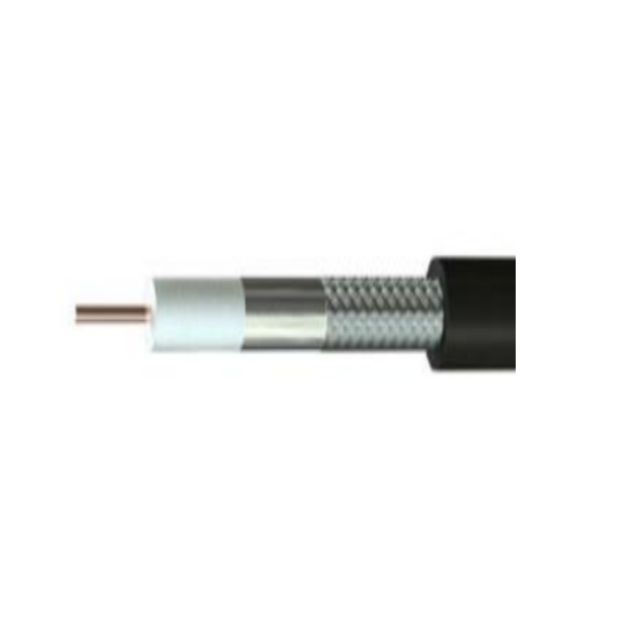
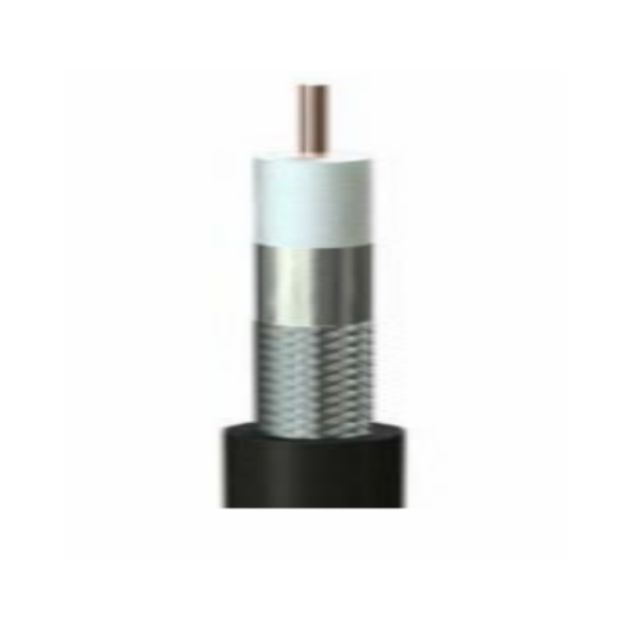
HLF LMR cable works on the principle of controlled electromagnetic signal transmission through a coaxial structure. It consists of a central conductor, dielectric insulation, shielding layer, and outer jacket.
- The inner conductor carries the RF signal.
- The dielectric layer maintains spacing and ensures consistent impedance (typically 50Ω).
- The outer conductor (shielding) prevents signal leakage and blocks external interference (EMI/RFI).
- The outer jacket protects the cable from environmental damage.
This design allows the cable to minimize signal loss (attenuation) while maintaining high-frequency performance, making it ideal for telecom and wireless systems.
Why Choose us
Durable & Weather-Resistant
Built for harsh environments, our products feature UV-resistant jackets and robust construction, making them ideal for long-term outdoor and industrial use.
Low Signal Loss
Our HLF/LMR cables are designed for minimal attenuation, ensuring efficient signal transmission and improved network reliability across all frequency ranges.
Wide Product Range
From LMR 100 to LMR 900, we offer a complete range of RF coaxial cables to meet diverse project requirements and specifications.
Optimized for 4G & 5G Systems
Our cables are engineered to support modern telecom infrastructure, including 4G LTE, 5G networks, and advanced wireless communication systems.
Frequently Asked Questions
HLF/LMR cables typically have a 50 Ohm impedance, which is standard for RF and telecom communication systems.
Attenuation refers to signal loss over distance. LMR cables are designed for low attenuation, ensuring efficient signal transmission even over long cable runs.
Most HLF/LMR cables support frequencies from DC up to several GHz (typically up to 6 GHz) depending on cable type and size.
They use high-quality dielectric materials, larger conductor sizes, and advanced shielding, which significantly reduces signal loss compared to standard coaxial cables.
These cables consist of:
- Inner conductor (Copper or CCA)
- Foam polyethylene dielectric
- Aluminum foil + braided shielding
- Outer jacket (PE/PVC)
- Copper cables: Better conductivity, lower loss
- CCA cables: More cost-effective but slightly higher attenuation
Larger cables (like LMR 400, 600, 900) offer lower attenuation and better signal strength compared to smaller cables like LMR 100 or 195.
Shielding prevents electromagnetic interference (EMI/RFI), ensuring clean and stable signal transmission in high-frequency applications.
They are widely used in:
- Telecom towers
- 4G/5G networks
- Wi-Fi & WLAN systems
- GPS & RF communication setups
Signal loss depends on:
- Cable length
- Frequency (higher frequency = more loss)
- Cable diameter
- Material quality