
Surge Arrester
Surge arresters are critical protection devices used in telecom and RF systems to safeguard equipment from voltage spikes, lightning surges, and electrical disturbances. These devices protect sensitive communication equipment such as antennas, BTS systems, and RF transmission lines by diverting excess voltage safely to ground.
At SRFS Teleinfra, we offer high-performance surge arresters designed for reliable protection, low insertion loss, and stable signal transmission in telecom and wireless communication systems including 4G, 5G, and broadband networks.
Our surge arresters are engineered using advanced protection technologies and high-quality materials to ensure fast response time, high discharge capacity, and long-term durability even in harsh environmental conditions.
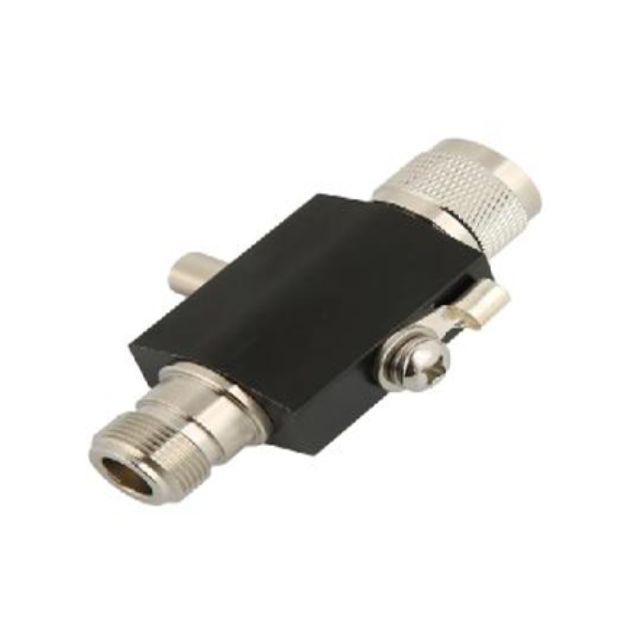
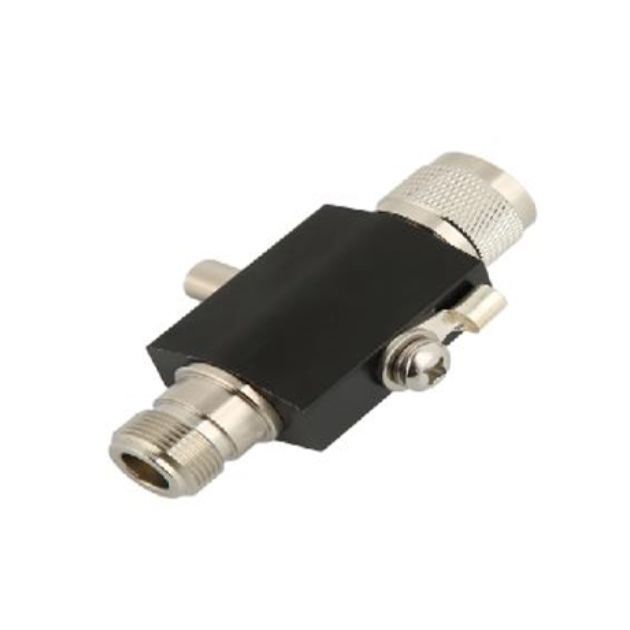
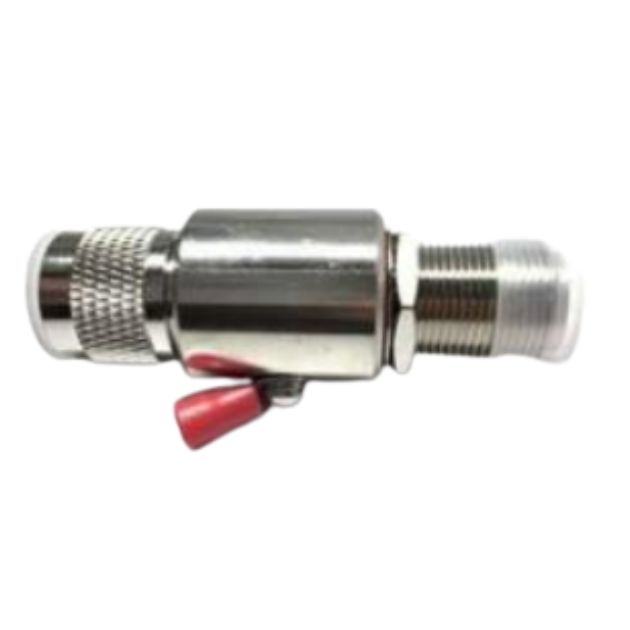
What is a Surge Arrester?
A surge arrester is a protective device that limits overvoltage by diverting excess electrical energy to ground, thereby protecting connected equipment from damage.
In telecom systems, surge arresters are installed in RF lines to protect antennas, cables, and base station equipment from lightning strikes and power surges.
Types of Surge Arresters
RF Surge Arrester
Used in RF lines to protect antennas and telecom equipment.
Coaxial Surge Arrester
Designed for coaxial cable systems with minimal signal loss.
Gas Discharge Tube (GDT) Arrester
Uses gas-filled tubes to handle high surge currents.
Lightning Arrester
Provides protection against lightning-induced surges in outdoor systems.
Surge Arrester Product Specifications
| Product Type | Frequency Range | Connector Type | Part Number |
|---|---|---|---|
| Surge Protector | DC – 6 GHz | - | SRFS-SP-DC6 |
| Surge Arrester | DC – 3 GHz | - | SRFS-SA |
| N Male to N Female Bulkhead Surge Arrester | DC – 3 GHz | N Male to N Female (Bulkhead) | SRFS-SNMFBH-06 |
Technical Specifications
Our surge arresters are designed to meet telecom industry standards and deliver reliable protection:
Frequency Range: Supports operation from MHz to GHz range.
Impedance: Typically 50 Ohm for RF compatibility.
Insertion Loss: Low insertion loss ensures minimal signal degradation.
VSWR: Low VSWR for efficient signal transmission.
Discharge Capacity: High surge current handling capability.
Applications of Surge Arresters
Surge arresters are widely used across telecom and RF systems:
- Telecom towers and BTS installations
- 4G / 5G network infrastructure
- Antenna systems and RF transmission lines
- Wireless communication networks
- Broadcasting systems
- Industrial communication setups
Key Performance Factors
Choosing the right surge arrester depends on:
- Frequency compatibility
- Surge current capacity
- Low insertion loss
- Proper grounding capability
- Environmental durability
Proper selection ensures equipment protection, stable network performance, and long-term reliability.
Working Principle
Surge arresters operate by detecting abnormal voltage levels:
- Under normal conditions, the device remains inactive
- When voltage exceeds a safe threshold, it conducts excess energy
- Diverts surge current safely to ground
- Returns to normal state after the surge
This ensures continuous protection without affecting normal signal transmission.
Why Choose us
Reliable Surge Protection
Our surge arresters provide effective protection against voltage spikes and lightning surges.
Low Signal Loss
Designed to maintain signal integrity with minimal insertion loss.
Durable & Weather-Resistant
Built for outdoor telecom environments with long service life.
Optimized for 4G & 5G Systems
Ideal for modern telecom and wireless infrastructure.
Frequently Asked Questions
It is used to protect electrical and RF systems from voltage surges.
It diverts excess voltage to ground when surge levels exceed safe limits.
In antennas, BTS systems, RF cables and communication equipment.
It is used in RF transmission lines to protect signal equipment.
It is the signal loss caused by the device during normal operation.
It indicates signal reflection; low VSWR ensures better performance.
It is the maximum surge current the device can handle.
Yes, they are essential for protecting modern telecom infrastructure.
Yes, they are designed for outdoor installations.
Based on frequency, power, surge capacity and application.