
Bi-Directional Coupler
A bi-directional coupler is a critical RF component used in telecom and microwave systems to measure and monitor both forward and reflected signal power within a transmission line. It enables accurate signal analysis, ensuring efficient performance, proper impedance matching, and system protection.
At SRFS Teleinfra, we manufacture high-performance bi-directional couplers designed for precise signal sampling, low insertion loss, and reliable operation across telecom, RF testing, and wireless communication systems.
Our couplers are engineered using advanced RF design techniques to provide high directivity, accurate coupling values, and stable performance in demanding applications such as 4G, 5G, broadcasting, and antenna systems.
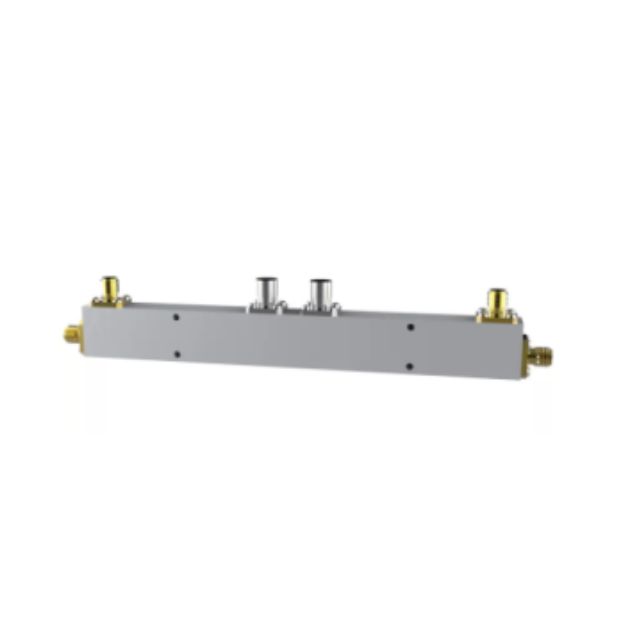
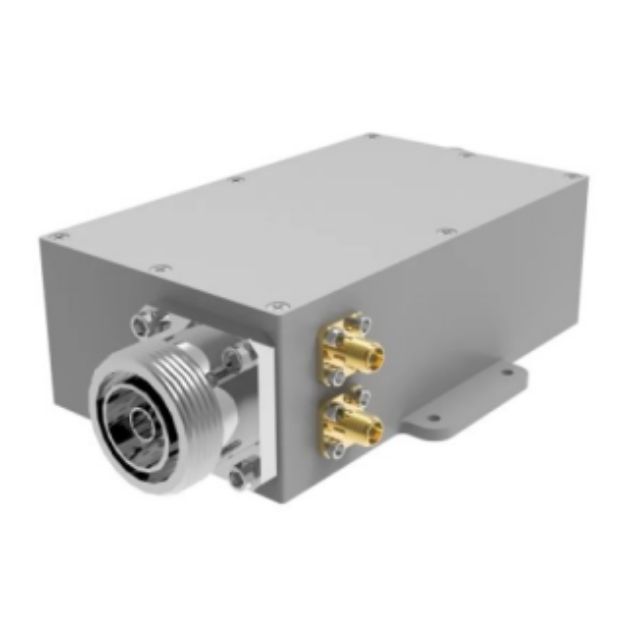
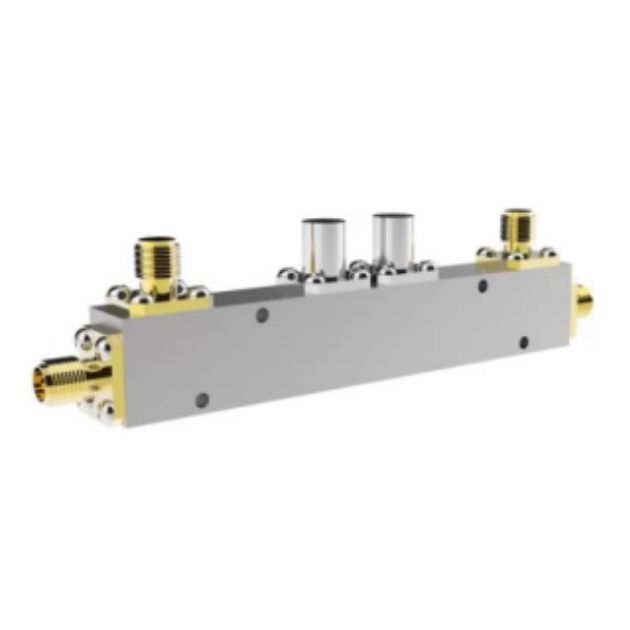
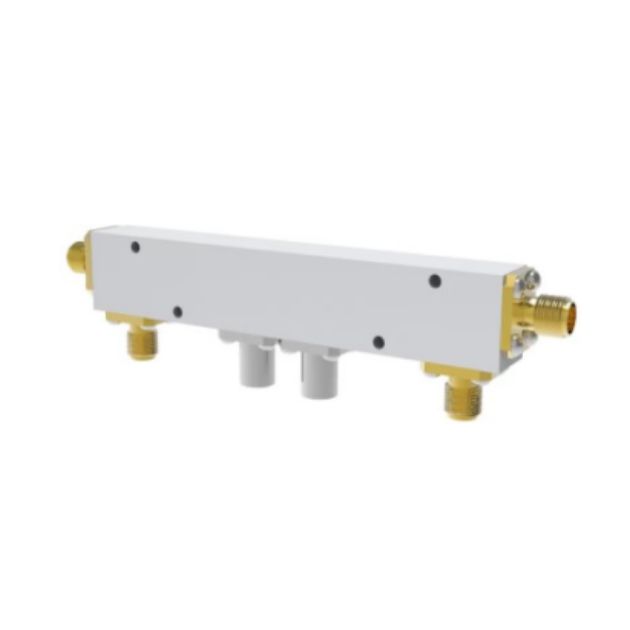
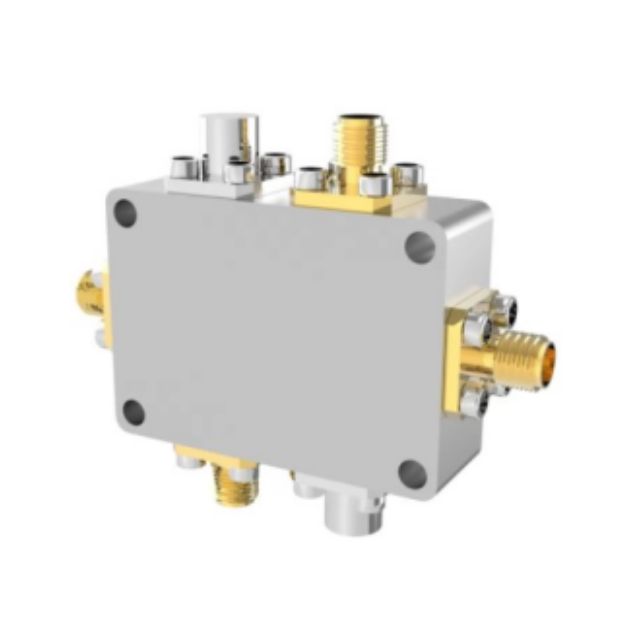
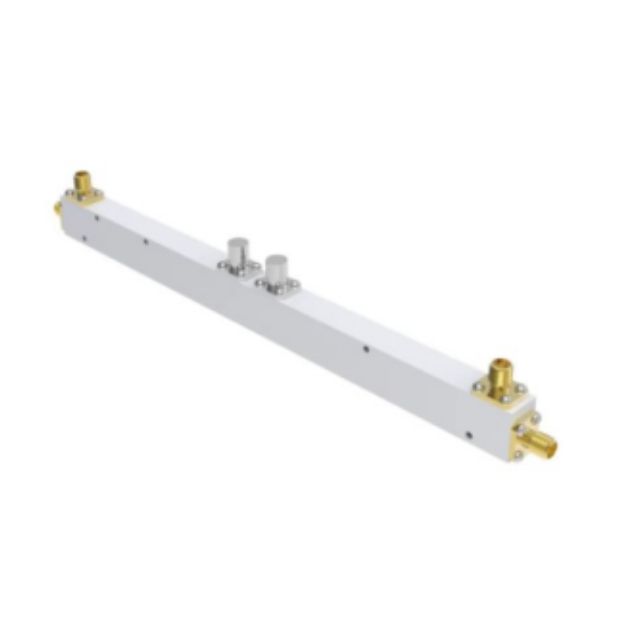
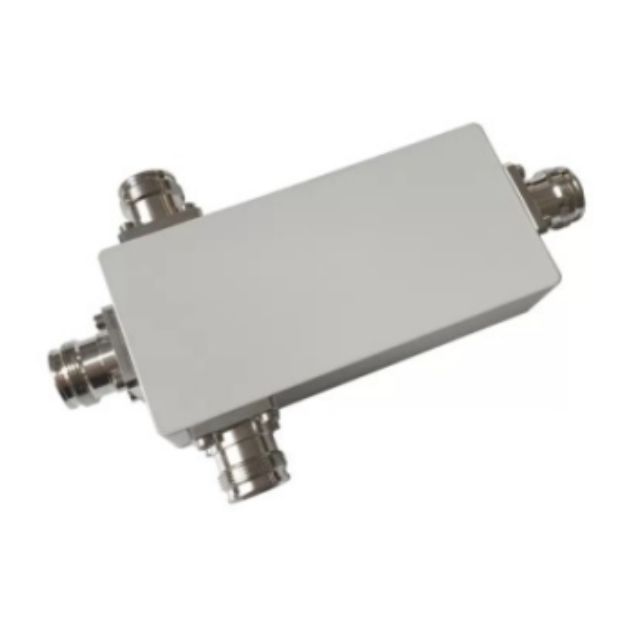
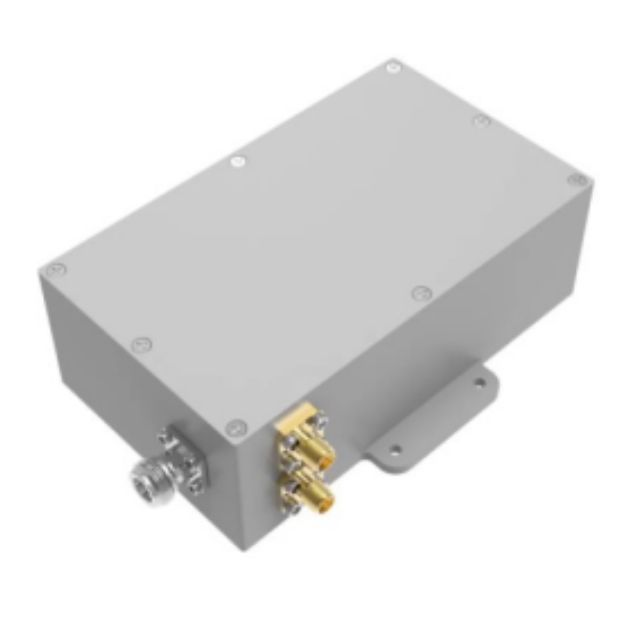
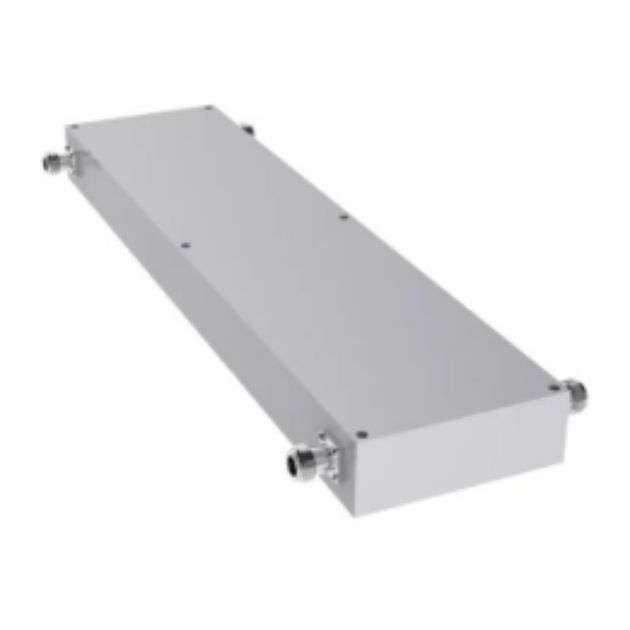
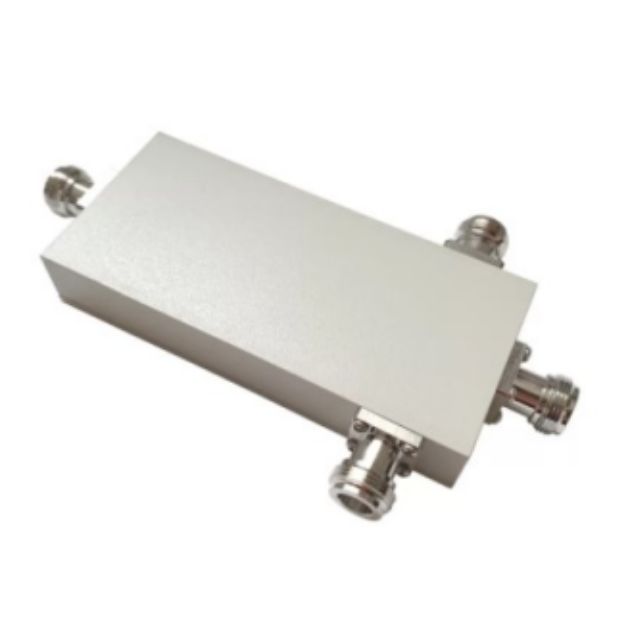
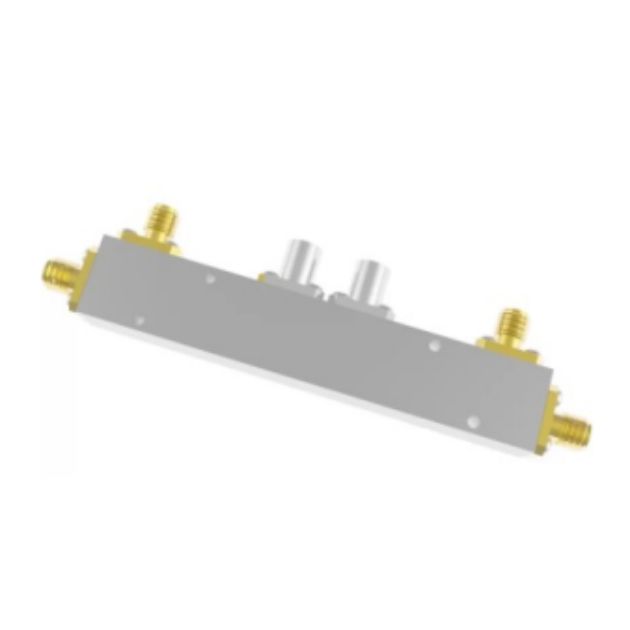
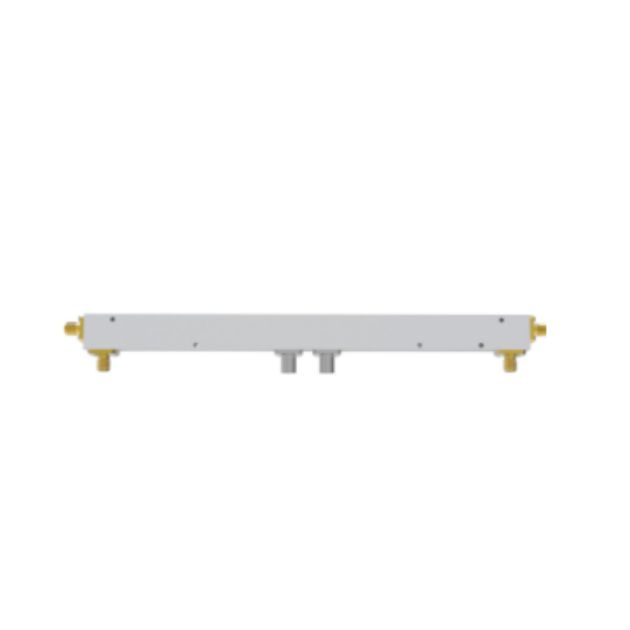
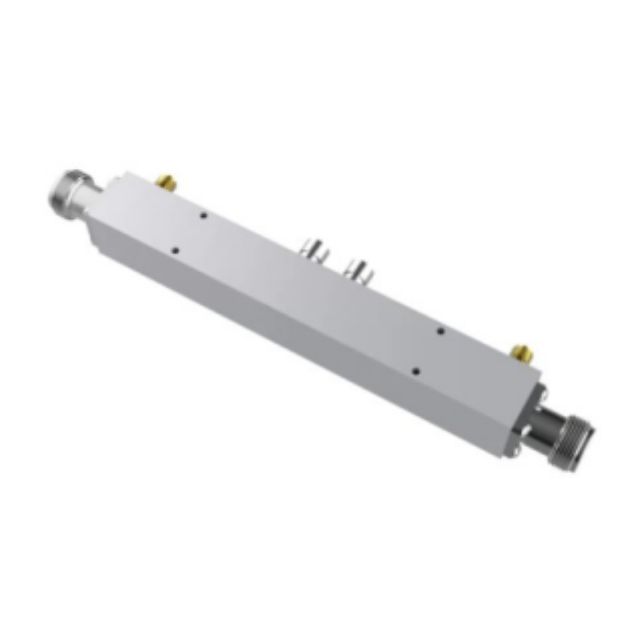
What is an Bidirectional Coupler
A bidirectional coupler is a 4-port RF device that allows simultaneous measurement of forward and reverse (reflected) signals in a transmission line. It works by sampling a portion of the signal without interrupting the main signal flow.
Unlike standard directional couplers, bidirectional couplers can monitor signals in both directions, making them essential for testing, diagnostics, and performance optimization in RF systems.
Working Principle
Bidirectional couplers operate based on signal coupling between transmission lines:
- Input signal flows through the main line
- A small portion of power is sampled (coupled)
- Forward and reflected signals are measured separately
- Isolated ports prevent unwanted signal interference
These devices help in analyzing signal behavior such as return loss, VSWR, and power levels without affecting the main transmission.
Bi-Directional Coupler Product Specifications
| Product Type | Coupling (dB) | Power | Frequency Range | Connector Type |
|---|---|---|---|---|
| Multi Hole Directional Coupler | 10 dB | 40W | 1000–6000 MHz | - |
| Bi-Directional Coupler | 35 dB | 300W | 100–1000 MHz | DIN Female |
| High Power Directional Coupler | 40 dB | - | 2000–18000 MHz | - |
| Directional Coupler | 10 dB | 10W | 2000–4000 MHz | 50 Ohm |
| Stripline Directional Coupler | 40 dB | 70W | 6000–18000 MHz | - |
| Dual Bi-Directional Coupler | 30 dB | 50W | 0.7–6 GHz | - |
| High Directivity Directional Coupler | - | - | 0.7–1 GHz | Mini DIN Female |
| Bi-Directional Coupler | 35 dB | 300W | 0.1–1 GHz | N Female |
| Bi-Directional Coupler | 40 dB | 300W | 400–2000 MHz | N Female |
| Bi-Directional Coupler | 35 dB | 300W | 700–1000 MHz | N Female |
| Bi-Directional Coupler | 10 dB | 10W | 4000–6000 MHz | SMA |
| HF Directional Coupler | 10 dB | 50W | 700–6000 MHz | SMA Female |
| Stripline Bi-Directional Coupler | 10 dB | 50W | 1–6 GHz | N Female |
Types of Bidirectional Couplers
Bidirectional couplers are available in various designs depending on application:
Dual Directional Coupler
Measures both forward and reverse power with high isolation.
Coaxial Bidirectional Coupler
Used in coaxial RF systems for telecom and antenna applications.
Waveguide Coupler
Designed for high-frequency microwave and radar systems.
Broadband Coupler
Supports wide frequency ranges for modern telecom networks.
Technical Specifications
Our bidirectional couplers are designed to meet telecom industry standards and deliver reliable performance:
Frequency Range: Supports operation from MHz to GHz range for telecom and RF applications.
Coupling Value (dB): Available in various coupling levels such as 3 dB, 6 dB, 10 dB, 20 dB based on application needs.
Directivity: High directivity ensures accurate separation of forward and reflected signals.
Insertion Loss: Low insertion loss ensures minimal signal degradation in the main transmission line.
Impedance: Typically 50 Ohm for compatibility with telecom and RF systems.
Applications of Bi-directional Couplers
Bidirectional couplers are widely used in RF and telecom systems:
- Telecom towers and BTS systems
- 4G / 5G network infrastructure
- RF testing and measurement equipment
- Antenna systems and signal monitoring
- Broadcasting and communication systems
- VSWR and return loss measurement
Key Performance Factors
When selecting a bidirectional coupler, consider:
- Accurate coupling factor
- High directivity for precise measurement
- Low insertion loss
- Wide frequency compatibility
- Stable performance under high power
Proper selection ensures accurate signal monitoring, system efficiency, and long-term reliability.
Why Choose us
High Measurement Accuracy
Our bidirectional couplers provide precise forward and reflected signal monitoring.
Low Signal Loss
Engineered for minimal insertion loss to maintain signal strength.
Durable & High-Quality Build
Manufactured using premium materials for long-term performance.
Optimized for 4G & 5G Systems
Designed to meet modern telecom infrastructure requirements.
Frequently Asked Questions
It is used to measure forward and reflected RF power in transmission lines.
Bidirectional couplers measure signals in both directions, while directional couplers measure in one direction.
It is the amount of signal power sampled from the main line, measured in dB.
Directivity indicates how well the coupler separates forward and reflected signals.
Typically 50 Ohm for telecom applications.
They are used in telecom systems, RF testing, and antenna monitoring.
From MHz to GHz depending on design.
It is the signal loss in the main line due to the coupler.
Yes, they are designed for high-power RF applications.
Higher directivity ensures accurate measurement of reflected signals.