
Yagi Antenna
Yagi antennas are highly directional antennas used in telecom and RF systems to transmit and receive signals over long distances with high gain and minimal interference. These antennas are designed to focus signal transmission in a specific direction, making them ideal for point-to-point communication and long-range connectivity.
At SRFS Teleinfra, we offer high-performance Yagi antennas engineered for reliable signal reception, strong directional gain, and efficient communication across telecom networks, antenna systems, and wireless infrastructure.
Our Yagi antennas are manufactured using precision-engineered components and high-quality materials to ensure optimal signal strength, low signal loss, and stable performance even in challenging environments.
All our Yagi antennas are made in India under strict quality standards, ensuring consistent performance, long-term durability, and cost-effective solutions for telecom, broadcasting, and wireless communication applications.
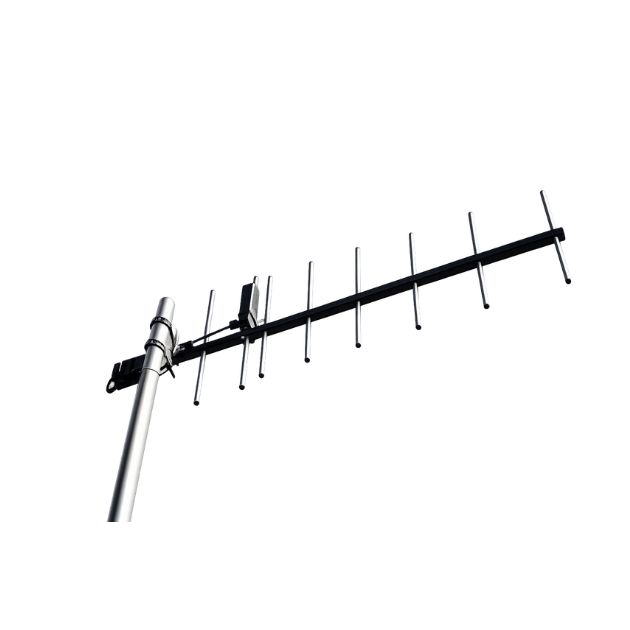
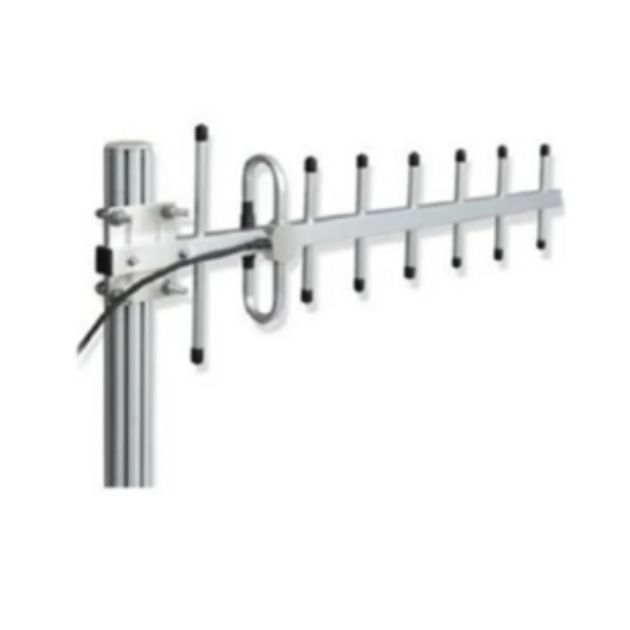
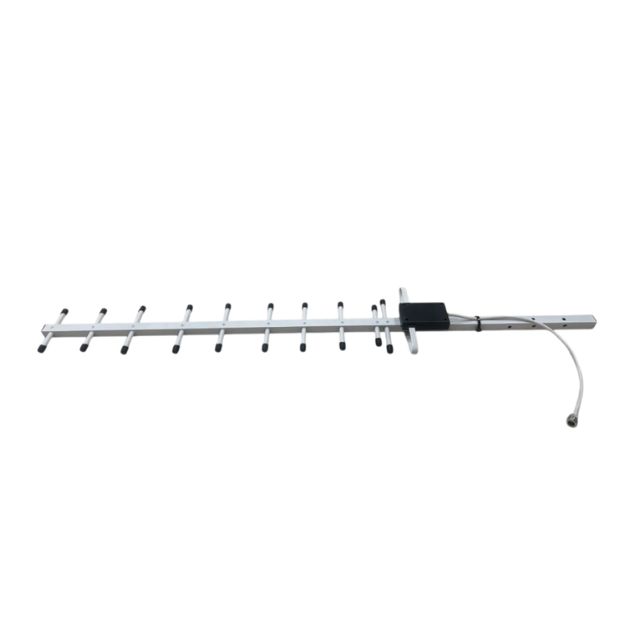
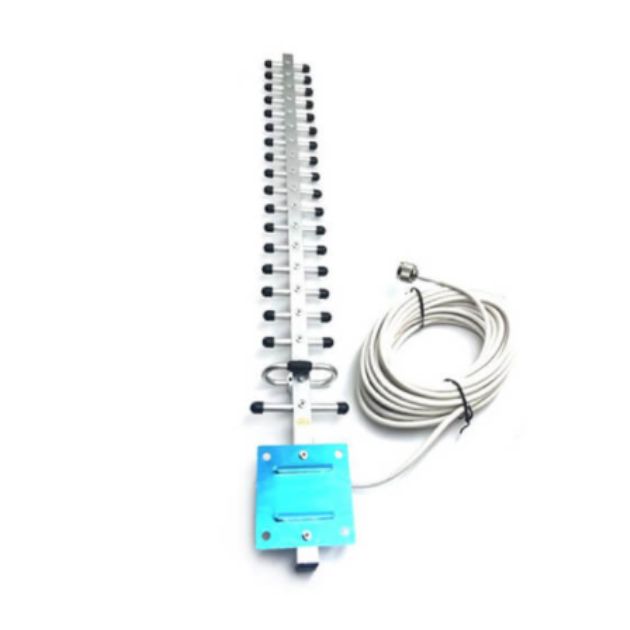
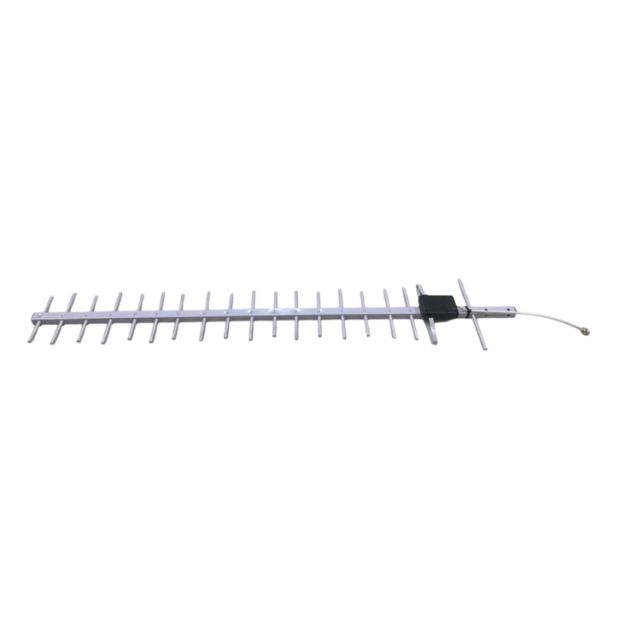
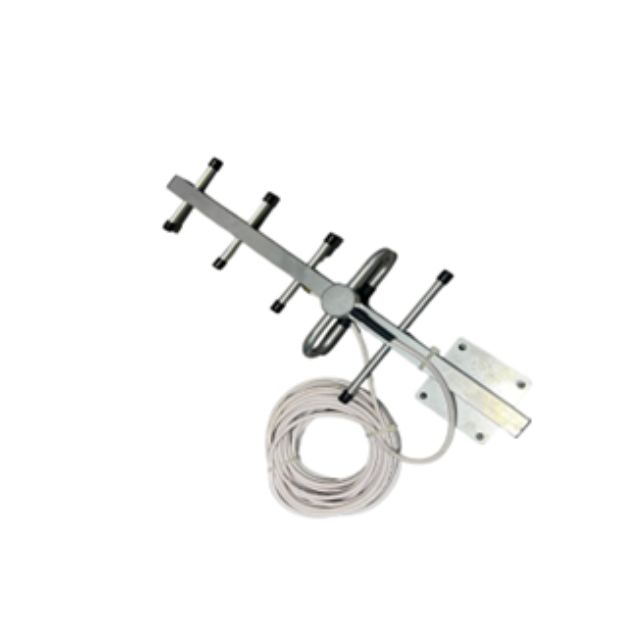
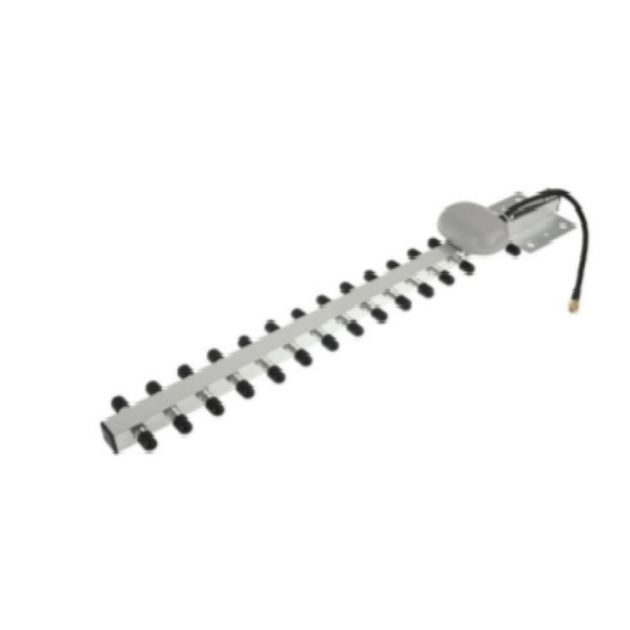
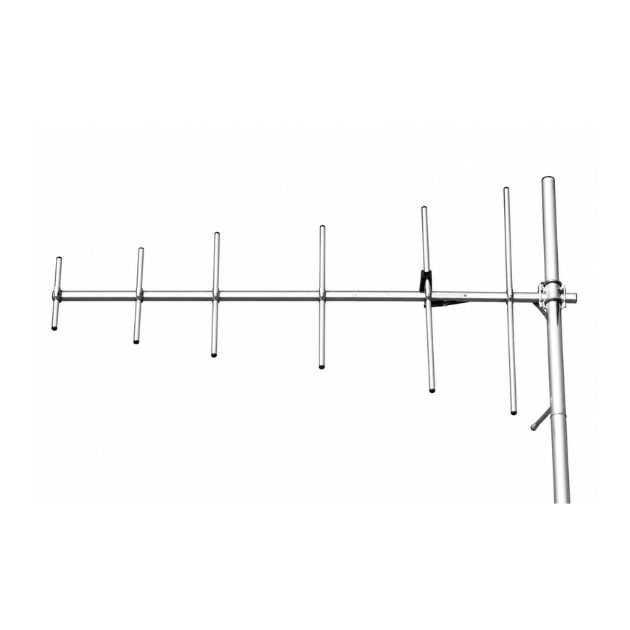
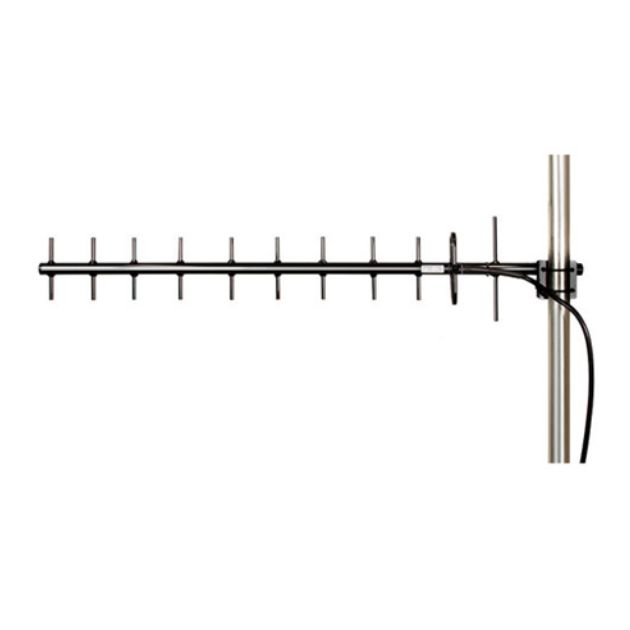
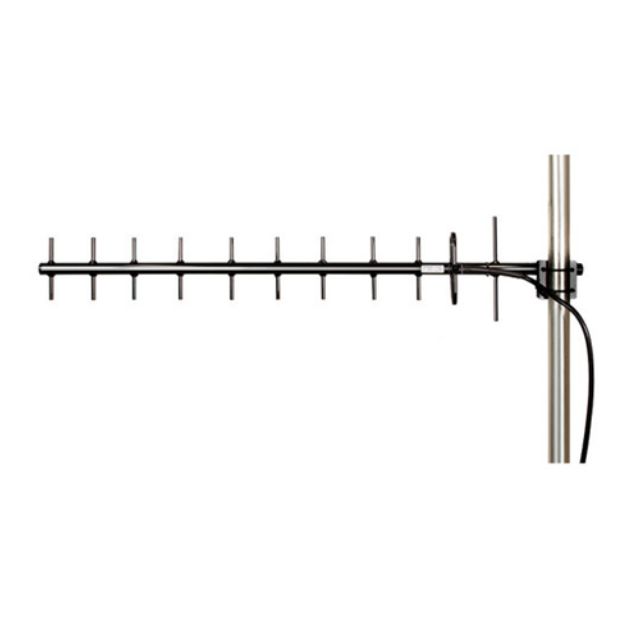
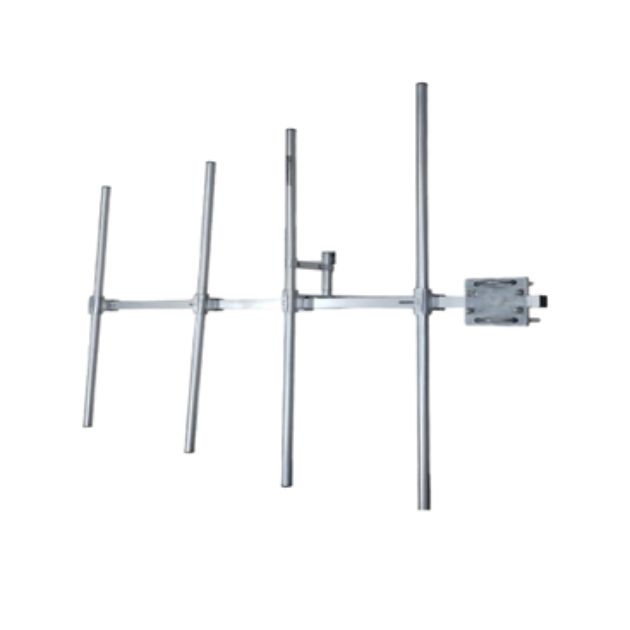
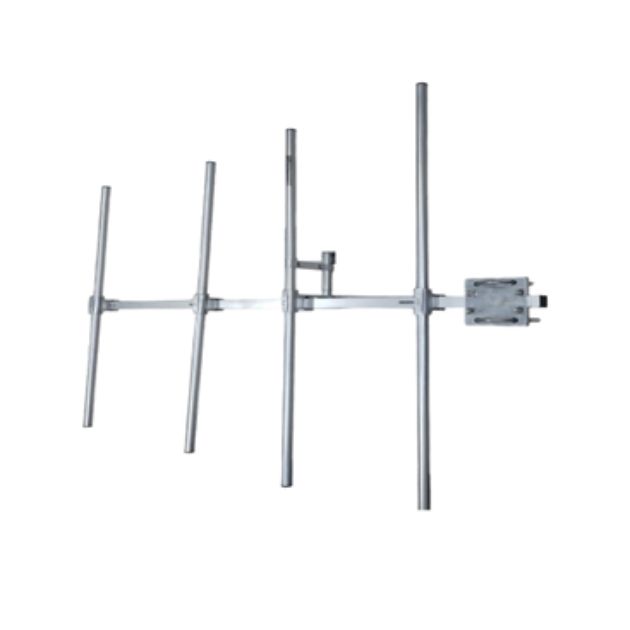
What is a Yagi Antenna?
A Yagi antenna (also known as a Yagi-Uda antenna) is a directional antenna consisting of multiple elements such as a driven element, reflector, and directors arranged along a boom. This design allows the antenna to focus radio signals in one direction, improving signal strength and range.
Yagi antennas play a crucial role in telecom systems by enhancing signal gain, reducing interference, and enabling long-distance communication in 4G, 5G, and wireless networks.
Types of Yagi Antennas
Yagi antennas are available in different types depending on frequency range and application requirements:
Single Band Yagi Antenna
Designed for operation within a specific frequency range, offering high efficiency and performance.
Multi-Band Yagi Antenna
Supports multiple frequency bands, suitable for telecom and wireless communication systems.
High Gain Yagi Antenna
Engineered with multiple directors to provide enhanced signal strength and long-distance coverage.
Compact Yagi Antenna
Designed for space-constrained installations while maintaining directional performance.
Technical Specifications of Yagi Antennas
Our Yagi antennas are designed to meet telecom industry standards and deliver reliable performance:
Frequency Range
Supports operation from MHz to GHz range, suitable for telecom and RF applications.
Gain
Provides medium to high gain (typically up to 20 dBi depending on design), ensuring strong signal reception.
Impedance
Typically designed with 50 Ohm impedance for proper signal matching.
Front-to-Back Ratio
High front-to-back ratio reduces interference from unwanted directions.
Polarization
Available in vertical or horizontal polarization depending on application needs.
Applications of Yagi Antennas
Yagi antennas are widely used across telecom and RF systems:
- Telecom towers and BTS installations
- 4G / 5G network infrastructure
- Point-to-point wireless communication
- GSM signal boosters and repeaters
- Broadcasting and TV reception systems
- Industrial and defense communication systems
These antennas are ideal for long-range communication where directional signal transmission is required.
Key Performance Factors
Choosing the right Yagi antenna depends on several important factors:
Gain and signal coverage requirements
Frequency band compatibility
Directional alignment and installation
Environmental durability
Polarization and mounting requirements
Proper selection ensures improved signal strength, reduced interference, and reliable communication performance.
Why Choose us
High Gain & Strong Signal Coverage
Our Yagi antennas are designed to deliver strong directional signal transmission for long-distance communication.
Stable Signal Reception
Engineered for low interference and improved signal clarity in telecom and wireless systems.
Durable & Weather-Resistant Build
Built using high-quality materials to withstand outdoor and harsh environmental conditions.
Ideal for 4G & 5G Infrastructure
Optimized for modern telecom infrastructure, ensuring reliable performance in wireless networks.
Frequently Asked Questions
A Yagi antenna is a directional antenna used to transmit and receive RF signals in a specific direction, providing high gain and improved signal strength.
It uses multiple elements (driven element, reflector, and directors) to focus signals in one direction, increasing gain and reducing interference.
Yagi antennas typically offer gain ranging from 7 dBi to 20 dBi, depending on the number of elements and design.
Most Yagi antennas are designed with 50 Ohm impedance, ensuring proper matching with telecom and RF systems.
It measures how well the antenna suppresses signals from the rear. A higher ratio indicates better directional performance and reduced interference.
They are used in telecom towers, 4G/5G networks, wireless communication systems, broadcasting, and signal booster applications.
Yagi antennas focus signals in one direction, while omnidirectional antennas transmit signals in all directions.
Yes, due to their high gain and directional design, Yagi antennas are ideal for long-range communication.
Yagi antennas can operate across a wide range from MHz to GHz, depending on their design and application.
Selection depends on frequency range, gain requirement, directionality, installation environment, and application needs.