
BNC Adapters
TNC Coaxial Adapters are RF connectivity components designed to connect coaxial cables, RF devices, antennas, and communication equipment with compatible TNC interfaces. Featuring a threaded coupling mechanism, TNC connectors provide secure mechanical engagement and reliable electrical connections in applications where vibration resistance and stable RF performance are important.
SRFS Teleinfra offers RF and microwave connectivity solutions for wireless communication, telecom infrastructure, RF testing, defense electronics, antenna systems, and industrial communication applications. TNC coaxial adapters are used to connect compatible RF interfaces, simplify equipment integration, and support dependable signal transmission across a wide range of systems.
Available configurations can include TNC male-to-male, female-to-female, male-to-female, and adapters that connect TNC interfaces with other compatible coaxial connector types. The appropriate adapter depends on connector gender, impedance, operating frequency, cable or equipment interface, and environmental requirements.
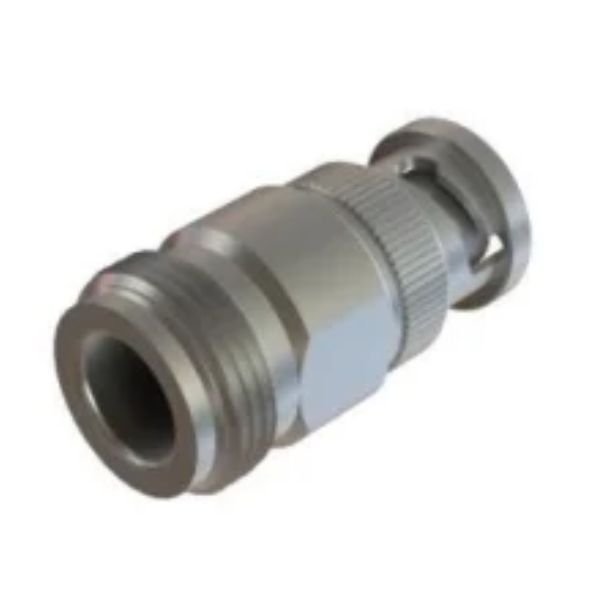
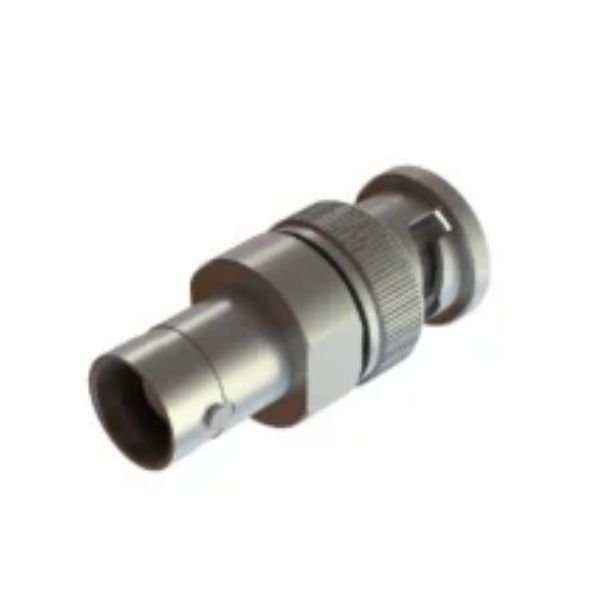
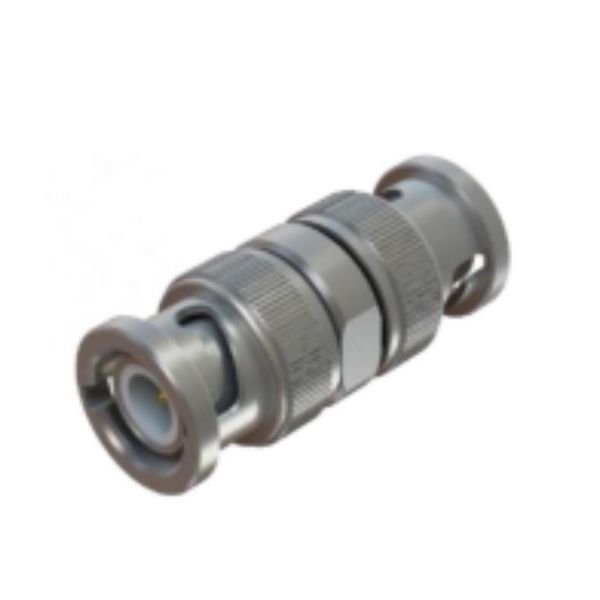
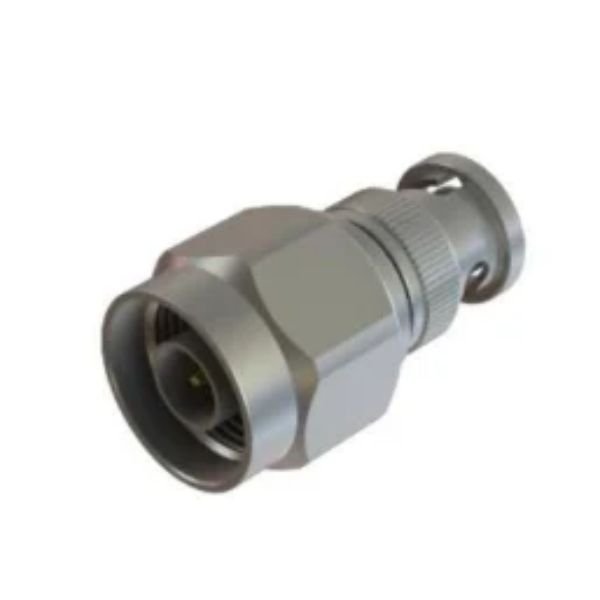
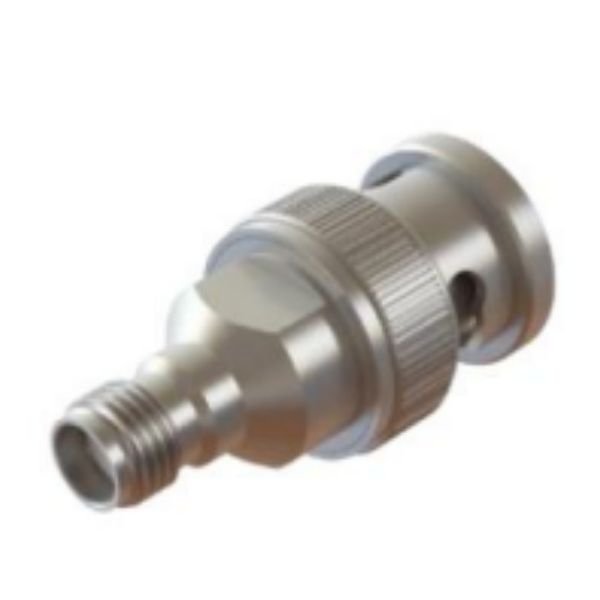
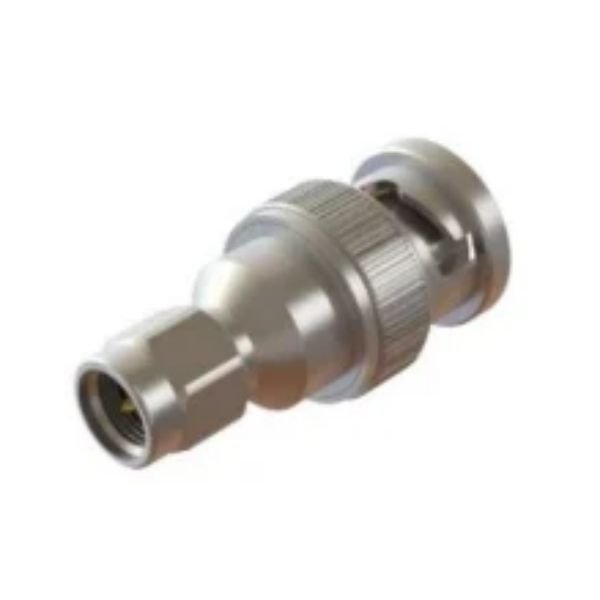
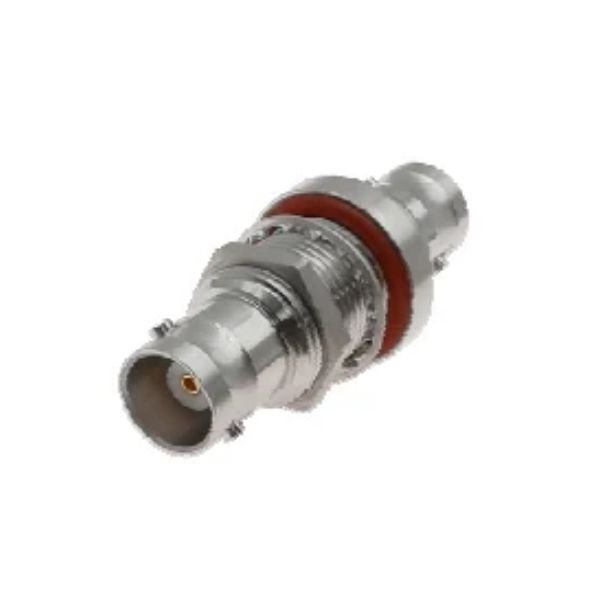
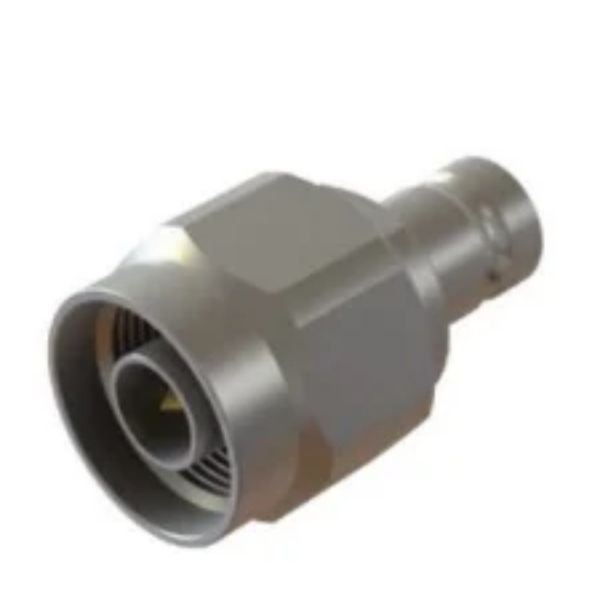
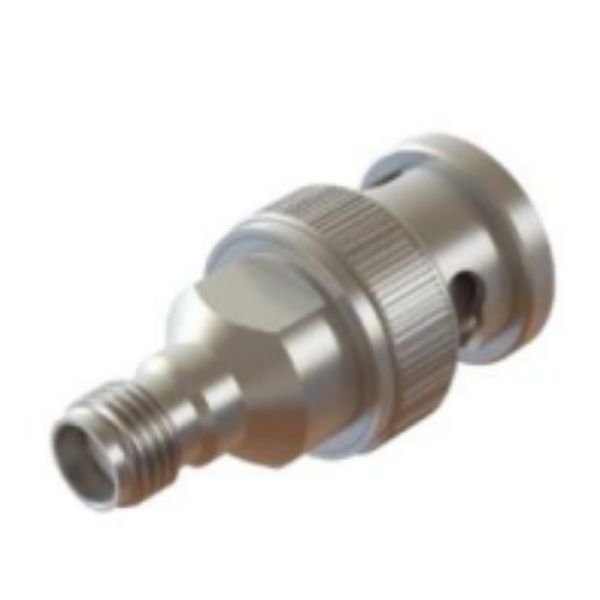
What Are TNC Coaxial Adapters?
TNC coaxial adapters are precision RF components that provide an interface between two compatible coaxial connections. TNC stands for Threaded Neill–Concelman. The connector uses a threaded coupling design to maintain a secure connection and reduce the likelihood of accidental disconnection compared with connectors that rely only on a push-on or bayonet coupling.
These adapters are used when two RF components have different connector genders or interface types. They can connect antennas to RF cables, test instruments to devices under test, or communication equipment to existing coaxial infrastructure.
A TNC adapter must be selected according to the required connector configuration and electrical specifications. Standard TNC interfaces are commonly available in 50-ohm versions, while other variants may have different electrical characteristics. Confirm the exact product datasheet before installation, particularly for high-frequency or precision measurement applications.
Technical Specifications
TNC adapter specifications vary according to the interface combination and product design. The following are key parameters to confirm when selecting an adapter:
Connector Interface: TNC and compatible coaxial interfaces
Connector Gender: Male, female, or gender-transition configuration
Impedance: Commonly 50 ohms; confirm the specific model
Frequency Range: Model-dependent; verify the manufacturer’s datasheet
Adapter Style: Straight or right-angle, where available
Body Material: Typically a conductive metal such as brass or stainless steel, depending on design
Contact Material: Model-dependent conductive contact material
Plating: Depends on the specified product construction
Coupling Mechanism: Threaded TNC coupling
Application: RF signal transmission, antenna connectivity, communication systems, and RF testing
Do not assume a single maximum frequency or power rating for every TNC adapter. The usable operating range depends on the adapter design, mating interfaces, impedance, and overall system requirements.
Types of TNC Coaxial Adapters
1. TNC Male to TNC Male Adapter
Connects two compatible TNC female interfaces. It is useful for interconnecting RF equipment, cables, and components with matching interface requirements.
2. TNC Female to TNC Female Adapter
Connects two compatible TNC male interfaces. It can be used to extend or reconfigure connections in RF test setups and communication systems.
3. TNC Male to TNC Female Adapter
Provides a gender transition between compatible TNC interfaces. This configuration is useful when the connected components have different connector genders.
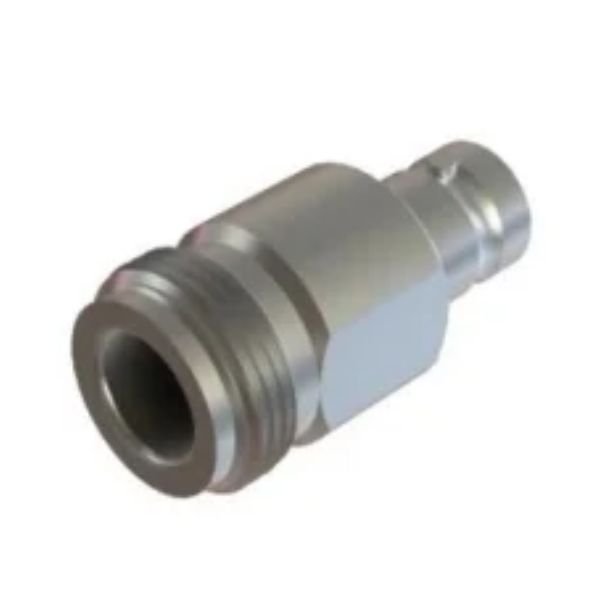
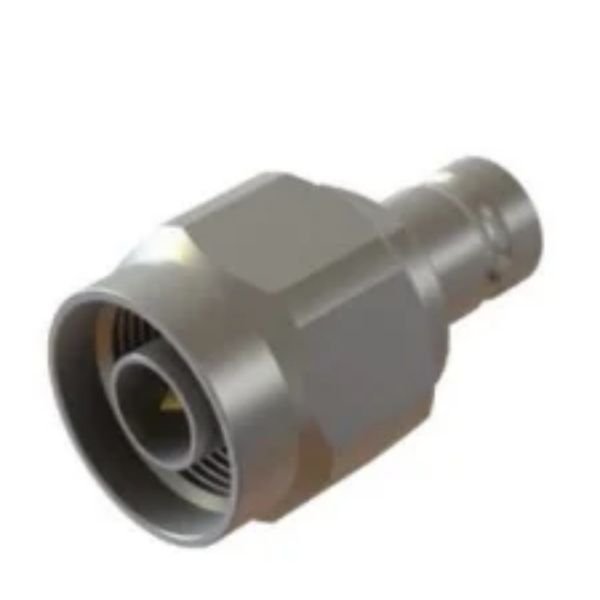
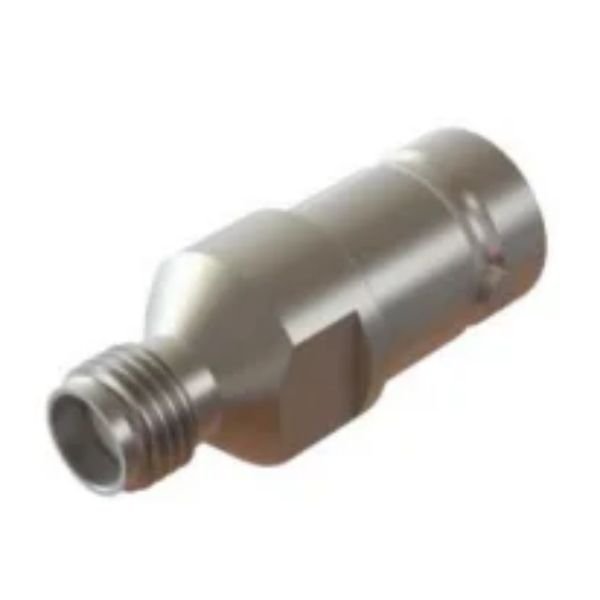
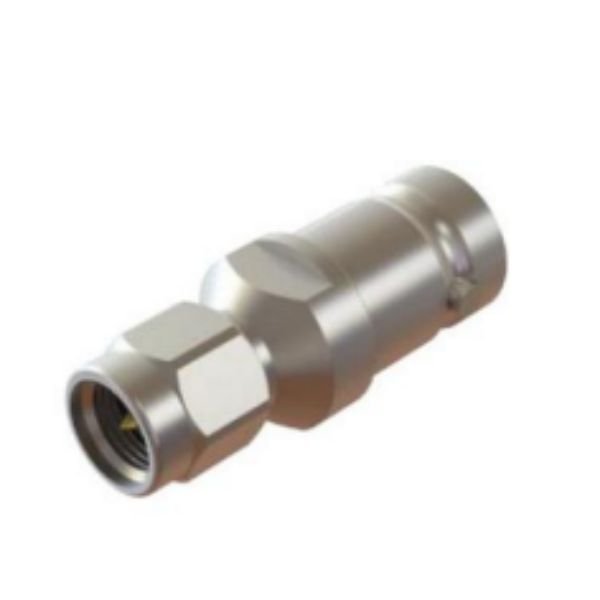
4. TNC to SMA Adapter
Connects compatible TNC and SMA interfaces. It is used when integrating equipment with different connector standards. Verify impedance and frequency requirements before use.
5. TNC to N-Type Adapter
Provides an interface between compatible TNC and N-type RF connections. It can support integration between different cable assemblies, antennas, and communication devices.
6. Straight TNC Adapter
Uses a straight-through configuration for direct connection between compatible RF ports. It is suitable for many general-purpose RF interconnection applications.
7. Right-Angle TNC Adapter
Provides a 90-degree connection where space or cable routing is restricted. Its suitability depends on the required frequency range, mechanical clearance, and electrical performance.
8. Precision TNC Adapter
Designed for applications where connector consistency and repeatable RF measurements are important. Exact performance depends on the model, manufacturing tolerances, and specified operating range.
Applications of TNC Coaxial Adapters
Telecommunications Infrastructure
Used to connect compatible RF cables, antennas, radio equipment, and communication components in telecom installations.
Wireless Communication Systems
Support RF interconnections in wireless equipment, radio links, and compatible antenna systems.
Antenna Systems
Help connect antennas and coaxial cable assemblies with matching TNC or converted interfaces.
RF Testing and Measurement
Used in RF laboratories and test benches to connect compatible instruments, cables, and devices under test. Precision models should be selected where measurement repeatability is important.
Defense and Aerospace Electronics
Can be used in compatible RF communication and electronic systems, subject to the environmental and electrical requirements of the application.
Industrial Communication
Support signal interconnection in industrial radio systems, monitoring equipment, and other compatible RF applications.
Research and Development
Useful for prototype development, RF evaluation, and testing setups that require connections between different coaxial interfaces.
Key Features of TNC Coaxial Adapters
- Threaded coupling for secure mechanical engagement
- Multiple interface and gender configurations, depending on availability
- Support for connecting compatible coaxial RF components
- Options for straight and right-angle configurations, where available
- Useful in telecom, wireless communication, antenna, and test applications
- Metal construction designed for RF interconnection
- Helps simplify integration between compatible RF interfaces
- Available electrical performance depends on the selected model and its datasheet
TNC Coaxial Adapters Specification
| Product Name | Connector Configuration | Impedance | Frequency Range |
|---|---|---|---|
| TNC Male to TNC Male Adapter | Male to Male | 50 Ohm | Model Dependent |
| TNC Female to TNC Female Adapter | Female to Female | 50 Ohm | Model Dependent |
| TNC Male to TNC Female Adapter | Male to Female | 50 Ohm | Model Dependent |
| TNC to SMA Adapter | TNC to SMA | Model Dependent | Model Dependent |
| TNC to N-Type Adapter | TNC to N-Type | Model Dependent | Model Dependent |
| Straight TNC Coaxial Adapter | Straight Configuration | 50 Ohm, where specified | Model Dependent |
| Right-Angle TNC Coaxial Adapter | Right-Angle Configuration | 50 Ohm, where specified | Model Dependent |
| Precision TNC Coaxial Adapter | Precision RF Interface | As per Datasheet | As per Datasheet |
Why Choose us
Precision RF Connectivity
Select suitable connector configurations for applications requiring controlled impedance, secure mating, and reliable signal transmission.
High-Frequency Applications
TNC adapters are suitable for RF and microwave systems operating up to 50 GHz when the selected model is rated for the required frequency.
Multiple Configurations
Choose from same-series connector genders and compatible between-series adapters according to your equipment requirements.
Application-Based Product Selection
Specify the connector interface, frequency range, impedance, and mechanical requirements to identify an appropriate solution for your RF system.
Frequently Asked Questions
A TNC coaxial adapter is an RF component used to connect compatible TNC interfaces or transition between TNC and another coaxial connector type.
TNC stands for Threaded Neill–Concelman, referring to the connector’s threaded coupling design.
TNC connectors use a threaded coupling mechanism, whereas BNC connectors use a bayonet coupling mechanism. The two interfaces are not directly interchangeable without a suitable adapter.
These configurations are used in RF connectivity, but availability depends on the product range. Confirm the exact interface and gender before ordering.
Many RF TNC adapters use a 50-ohm design. However, impedance must be confirmed for the exact model and application.
The operating frequency range varies by adapter design and construction. Refer to the individual datasheet to verify the specified frequency range.
Yes. They can connect compatible antenna ports and coaxial cable assemblies when the connector interfaces and electrical specifications match.
A TNC-to-SMA adapter can provide this connection. Select the correct genders and confirm impedance and frequency compatibility.
Right-angle configurations are used where cable routing or installation space is limited. Confirm availability and electrical performance for the required model.
Identify the connector types, genders, impedance, frequency range, and application. Share these requirements with SRFS Teleinfra to help identify a suitable product and obtain its datasheet.