
Waveguide to Coax Adapters
Waveguide to Coax Adapters are essential microwave components used to connect waveguide transmission systems with coaxial RF equipment. They enable efficient signal transfer between waveguide ports and coaxial connectors, making them suitable for high-frequency communication, radar systems, satellite communications, aerospace, defense, and RF testing applications.
SRFS Teleinfra offers RF and microwave connectivity solutions for demanding applications that require reliable signal transmission and precision integration. Waveguide to Coax Adapters can be selected according to waveguide size, operating frequency, coaxial connector type, power-handling requirements, and mechanical configuration.
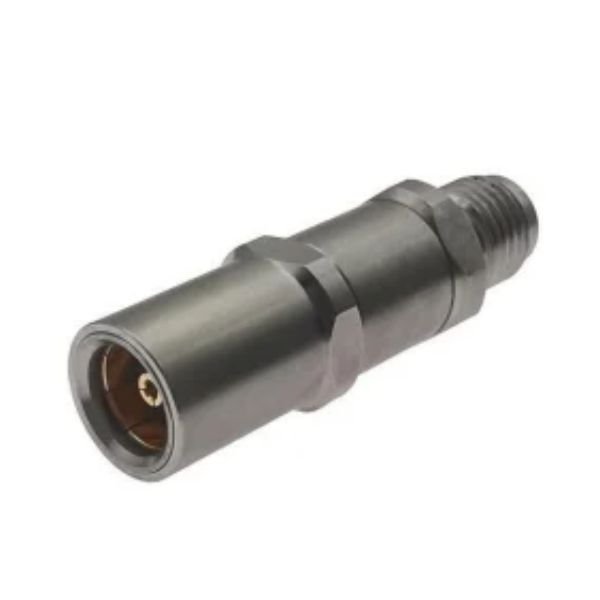
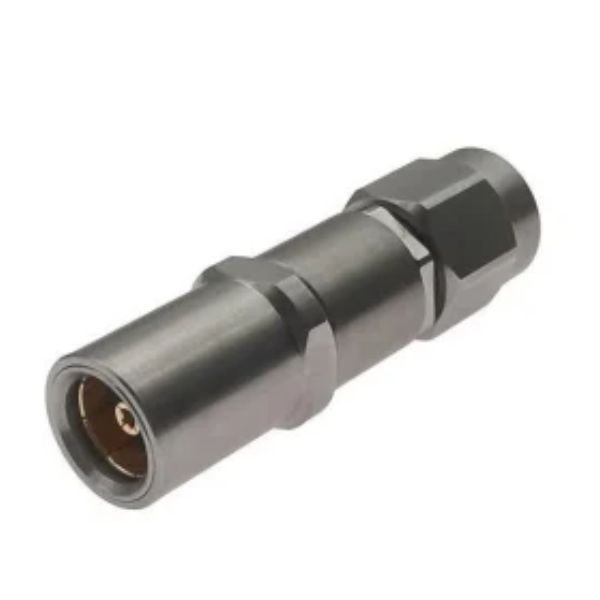
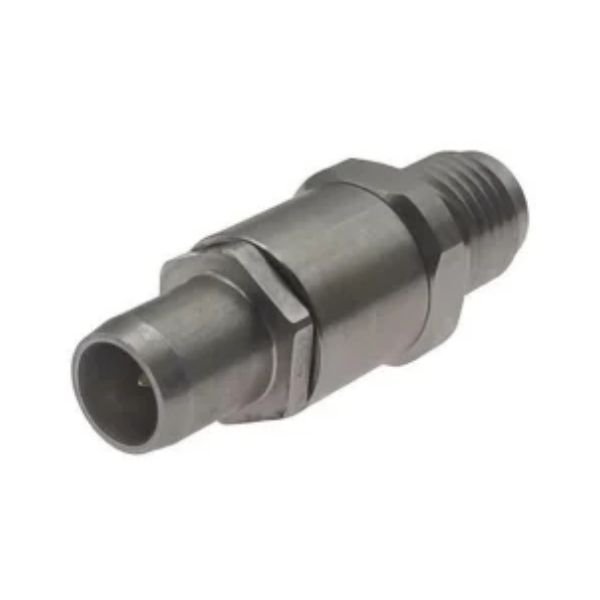
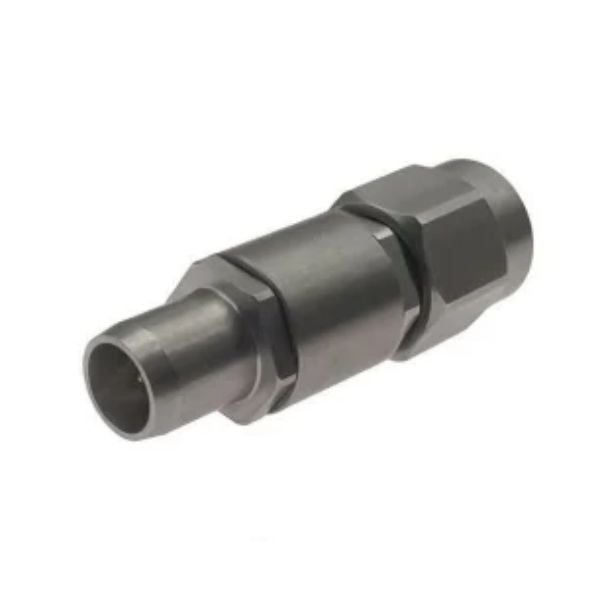
What Are Waveguide to Coax Adapters?
A Waveguide to Coax Adapter is a transition component that connects a rectangular or circular waveguide to a coaxial transmission line. Waveguides are commonly used to carry microwave signals at high frequencies, while coaxial cables provide flexible connections to RF instruments, amplifiers, antennas, and other microwave devices.
These adapters provide a practical interface between the two transmission technologies. Their design is important for maintaining impedance matching, controlling reflections, and minimizing insertion loss across the intended frequency band.
The appropriate adapter depends on the waveguide designation, frequency range, coaxial connector interface, flange configuration, and required electrical performance.
Technical Specifications
Waveguide to Coax Adapters are available in different configurations depending on the microwave system and installation requirements. Exact electrical specifications should be confirmed for the selected model.
Parameter | Specification |
|---|---|
Product Type | Waveguide to Coax Adapter |
Waveguide Configuration | Rectangular or other specified waveguide types |
Coaxial Connector | SMA, N-Type, 2.92mm, 3.5mm, or specified interface |
Frequency Range | Depends on waveguide size and adapter design |
Impedance | Typically 50 Ohm coaxial interface |
Insertion Loss | Model-dependent; confirm datasheet |
VSWR | Model-dependent; confirm datasheet |
Waveguide Flange | As specified by the selected model |
Material | Model-dependent conductive metal construction |
Applications | Microwave, radar, satellite, RF testing, aerospace and defense |
Types of Waveguide to Coax Adapters
1. Rectangular Waveguide to Coax Adapter
Designed to connect rectangular waveguides to coaxial interfaces. These adapters are used in microwave communication equipment, radar assemblies, test benches, and high-frequency transmission systems.
2. Waveguide to SMA Adapter
This configuration provides a transition between a waveguide port and an SMA coaxial interface. It is useful in compact microwave assemblies, laboratory equipment, and RF measurement setups, subject to the adapter’s specified frequency range.
3. Waveguide to N-Type Adapter
Waveguide to N-Type Adapters connect waveguide systems to N-type coaxial cables or equipment. They can be used in microwave communication links, antenna systems, and test configurations where the specified connector and frequency requirements are compatible.
4. Waveguide to 2.92mm or 3.5mm Coaxial Adapter
These configurations are intended for precision microwave test systems using 2.92mm or 3.5mm coaxial interfaces. Selection must account for the supported frequency band, connector performance, waveguide mode, and transition design.
5. Custom Waveguide to Coax Transitions
Custom transitions can be specified for particular waveguide sizes, connector interfaces, mounting arrangements, and system integration requirements. Electrical performance should be confirmed against the required operating band and application.
Applications of Waveguide to Coax Adapters
NMD adapters are used in applications where repeatable connections and accurate high-frequency measurements are important.
Vector Network Analyzers (VNA): Connect compatible test ports to cables, calibration accessories, and RF devices.
RF and Microwave Laboratories: Support component testing, characterization, and verification.
Calibration and Metrology: Provide suitable interfaces for precision measurement setups.
Telecommunications: Support testing of RF components used in wireless communication infrastructure.
Aerospace and Defense: Assist with testing RF and microwave assemblies and electronic systems.
Research and Development: Enable evaluation of high-frequency components and prototype systems.
Production Testing: Provide repeatable connections for component inspection and quality-control processes.
Key Features and Benefits
Reliable Microwave Signal Transition
Designed to provide a connection between waveguide and coaxial transmission lines, allowing different RF components to be integrated into a common system.
Low Insertion Loss
A properly selected and installed adapter helps limit signal loss across the transition. Actual performance depends on the design and operating frequency.
Controlled Signal Reflection
The transition geometry affects impedance matching and return loss. Selecting a model designed for the required frequency band helps maintain consistent system performance.
Multiple Connector Configurations
Adapters may be available with different coaxial interfaces and waveguide sizes to suit specific equipment and installation requirements.
Precision Mechanical Interface
Accurate alignment, compatible flange dimensions, and secure connector mating are important for repeatable microwave performance.
Suitable for High-Frequency Systems
Waveguide-to-coax transitions support microwave applications when the adapter’s specified operating band and electrical characteristics meet system requirements.
NMD Adapter Specifications
| Product Specification | Details |
|---|---|
| Product Name | Waveguide to Coax Adapters |
| Product Type | Waveguide to Coaxial RF Transition Adapter |
| Waveguide Type | Rectangular Waveguide / Model Dependent |
| Waveguide Designation | WR Series / As Per Model |
| Coaxial Connector | SMA, N-Type, 2.92mm, 3.5mm / As Per Model |
| Impedance | Typically 50 Ohm at the Coaxial Interface |
| Frequency Range | Model Dependent |
| Insertion Loss | As Per Manufacturer Datasheet |
| VSWR | As Per Manufacturer Datasheet |
| Waveguide Flange | As Per Model and Mounting Requirements |
| Material | Conductive Metal Construction, Model Dependent |
| Power Handling | As Per Manufacturer Datasheet |
| Mounting Type | Flange Mount / Model Dependent |
| Applications | Radar, Satellite Communication, Microwave Systems, RF Testing, Aerospace and Defense |
Why Choose Us
Reliable RF Connectivity Solutions
SRFS Teleinfra supplies RF and microwave components for telecom infrastructure, wireless communication, and specialized testing applications.
Multiple RF Product Categories
Customers can source NMD adapters alongside RF cables, VNA test cables, coaxial adapters, connectors, attenuators, and other RF components.
Application-Based Product Selection
Adapter selection can be matched to the required interface, frequency range, equipment type, and measurement setup.
Technical Product Support
Our team can help identify suitable adapter configurations based on the equipment interface and required operating specifications.
Frequently Asked Questions
A Waveguide to Coax Adapter is a microwave component that connects a waveguide transmission line to a coaxial RF connector, allowing signals to pass between the two interfaces.
They are used when microwave equipment with waveguide ports must connect to coaxial cables, instruments, amplifiers, or other RF components.
Depending on the product design, coaxial interfaces may include SMA, N-Type, 2.92mm, or 3.5mm connectors. Confirm the exact configuration before ordering.
The operating frequency depends on the waveguide size, supported waveguide mode, coaxial interface, and transition design. Refer to the selected product datasheet for its specified frequency range.
A WR-137 adapter is designed around the WR-137 waveguide interface. The compatible coaxial connector and operating band must be verified for the particular adapter model.
The coaxial interface is typically designed for a 50 Ohm system. The waveguide side is characterized by its waveguide properties rather than a simple fixed 50 Ohm impedance.
Low VSWR indicates reduced signal reflection at the transition under specified operating conditions, helping improve power transfer and measurement accuracy.
Common applications include radar, satellite communications, aerospace and defense systems, microwave links, antenna systems, and RF laboratories.
Check the waveguide designation, frequency range, coaxial connector, flange interface, power-handling requirement, insertion loss, and VSWR.