
RFID Antenna
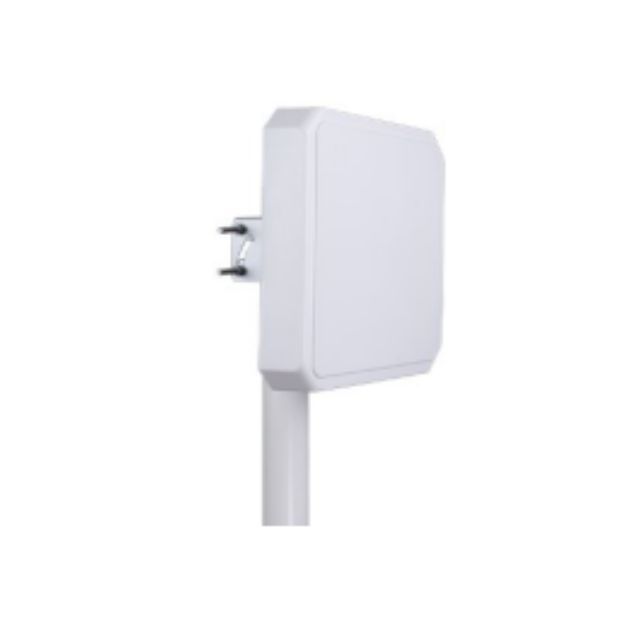
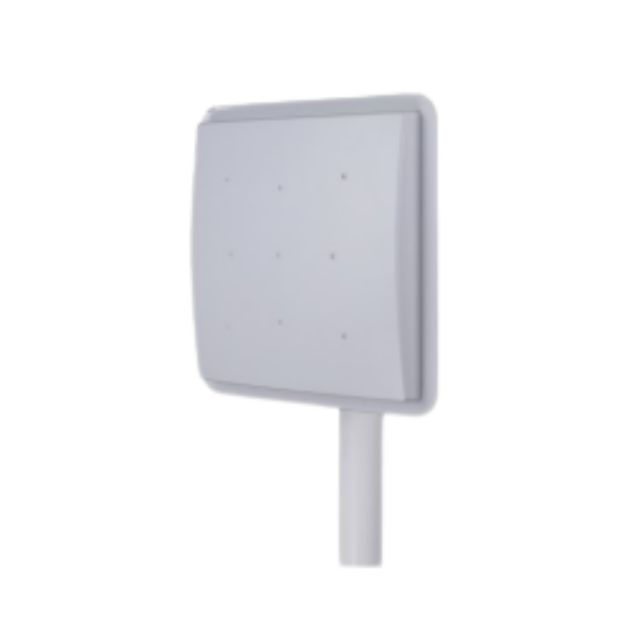
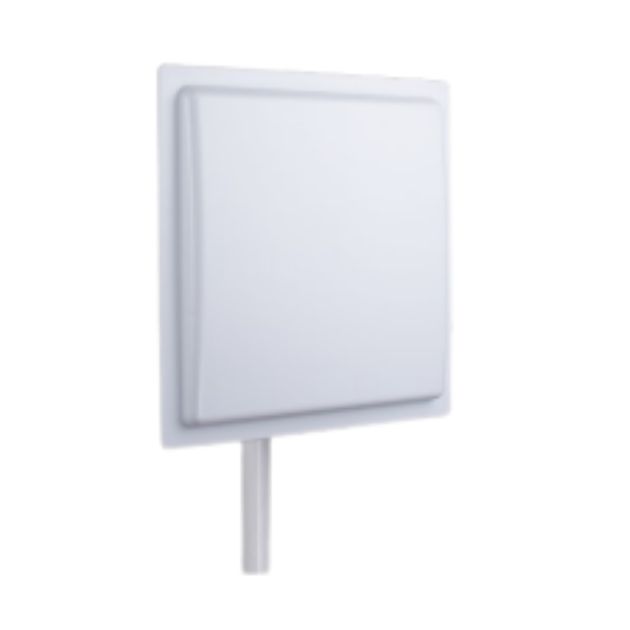
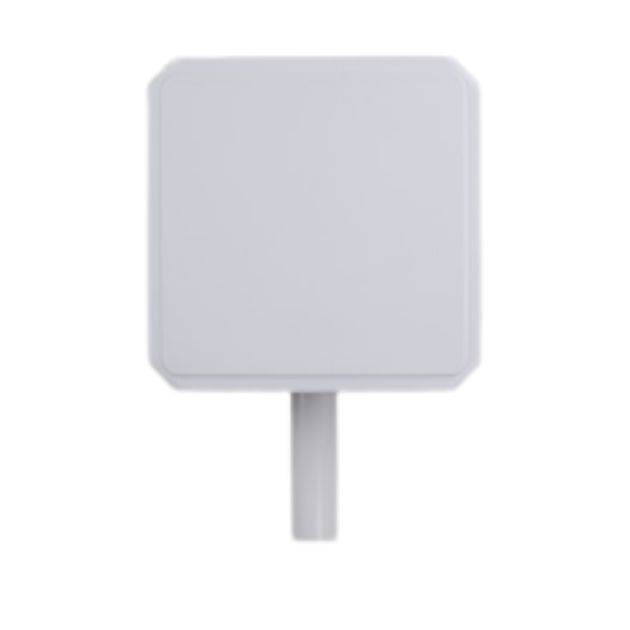
RFID Antennas are specialized RF antennas designed for transmitting and receiving radio frequency signals between RFID readers and RFID tags in wireless identification and tracking systems. These antennas are widely used in logistics, warehouse management, retail inventory tracking, industrial automation, access control systems, and smart identification applications.
At SRFS Teleinfra, we manufacture and supply high-performance RFID Antennas engineered for stable signal transmission, high read accuracy, strong signal coverage, and reliable RF performance across RFID communication systems. Our RFID antennas are designed using advanced RF technology and precision manufacturing standards to ensure efficient tag reading, low signal loss, and long operational life in demanding indoor and outdoor environments.
Our RFID antennas are available in multiple frequency ranges, gain configurations, and polarization options including circular, horizontal, and vertical polarization for different RFID applications. These antennas support UHF RFID systems operating in global RFID frequency bands such as 865–868 MHz and 902–928 MHz.
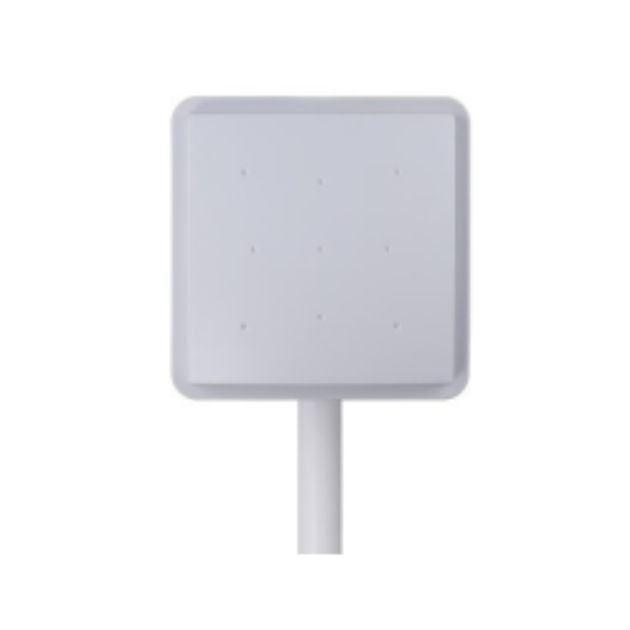
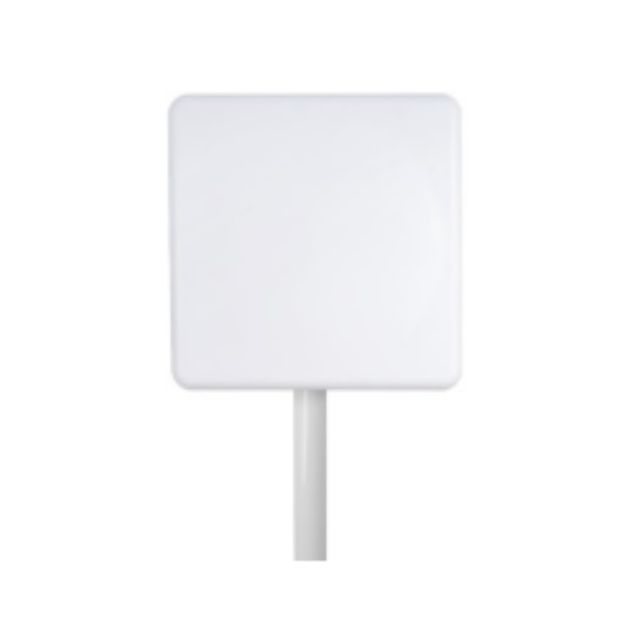
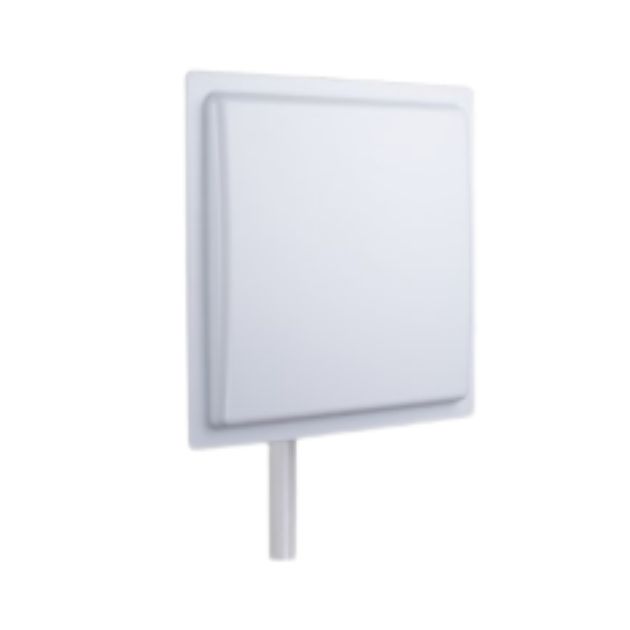
What is an RFID Antenna?
An RFID Antenna is an RF communication device used in RFID systems to transmit electromagnetic signals to RFID tags and receive data from them. It acts as the communication link between the RFID reader and RFID tags, enabling wireless tracking, identification, and monitoring of objects.
RFID antennas are designed to provide efficient signal coverage, stable communication, and accurate tag detection in short-range and long-range RFID applications.
Features of RFID Antenna
- High RFID signal reading accuracy
- Stable RF signal transmission
- Wide frequency support for RFID systems
- High gain and extended reading range
- Low VSWR and low signal loss
- Circular and linear polarization options
- Durable and weather-resistant construction
- Indoor and outdoor installation compatibility
- Compact and lightweight antenna design
- Reliable RFID communication performance
Types of RFID Antennas
RFID Panel Antenna
Designed for fixed RFID installations requiring stable long-range tag reading performance.
Circular Polarized RFID Antenna
Provides reliable RFID tag detection regardless of tag orientation.
Linear Polarized RFID Antenna
Suitable for directional RFID communication systems with focused signal coverage.
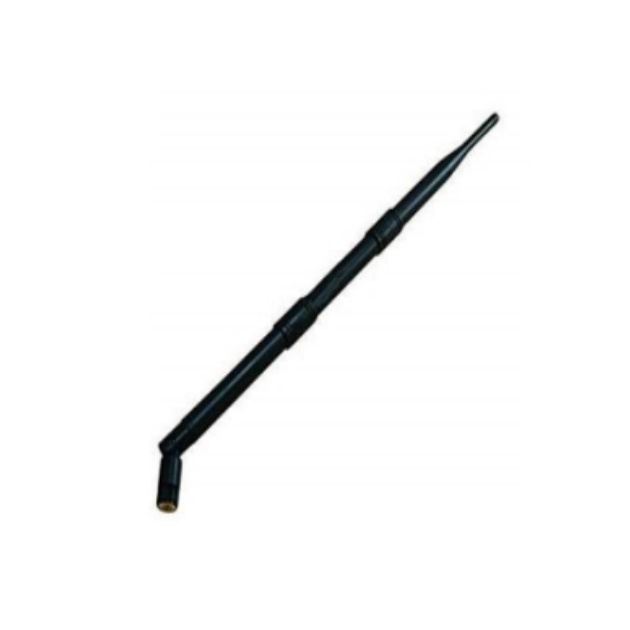
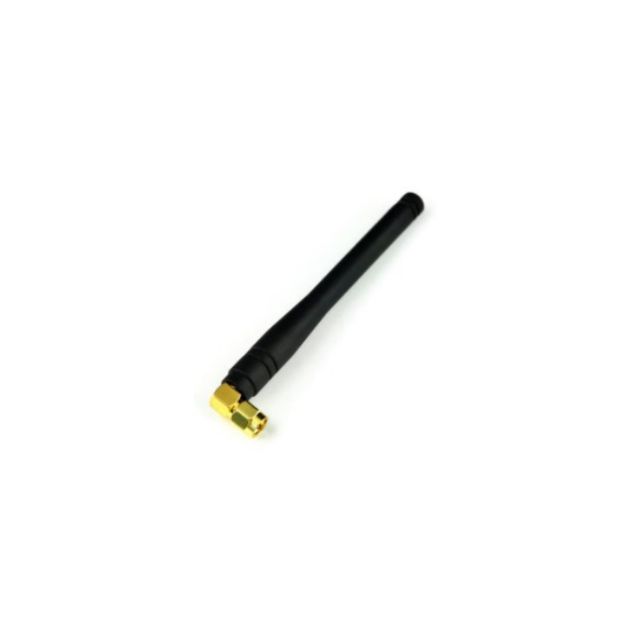
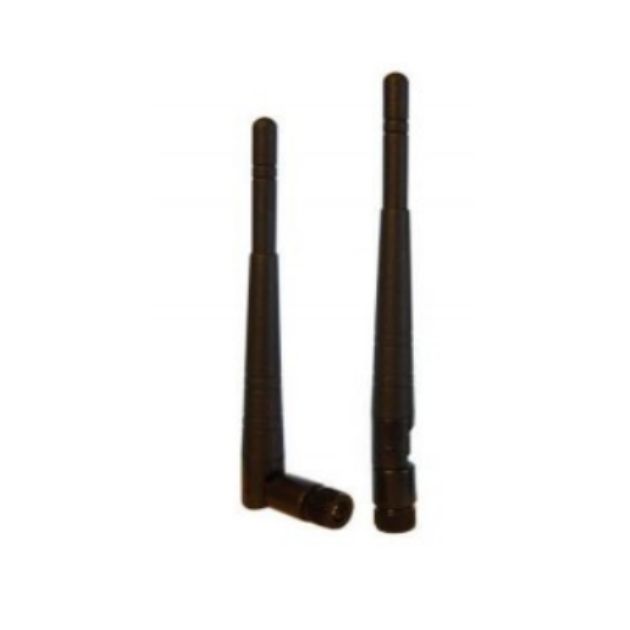
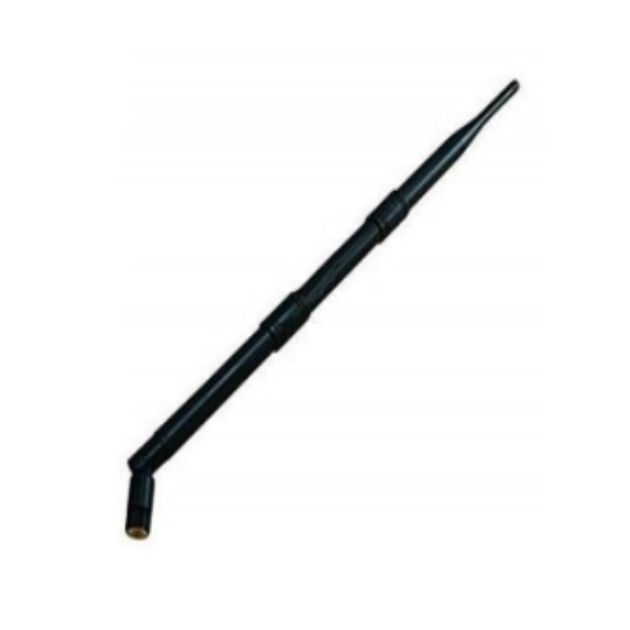
RFID Rubber Duck Antenna
Compact RFID antenna solution for handheld RFID readers and portable communication devices.
UHF RFID Antenna
Supports UHF RFID frequency bands for industrial tracking and inventory management systems.
Technical Specifications
| Parameter | Specification |
|---|---|
| Frequency Range | 865–868 MHz / 902–928 MHz |
| Impedance | 50 Ohm |
| Gain | 3 dBi to 12 dBi |
| VSWR | < 1.4 |
| Polarization | Circular / Horizontal / Vertical |
| Connector Type | N Female / SMA Male |
| Maximum Input Power | 50W |
| Protection Grade | IP65 |
| Operating Temperature | -40°C to +65°C |
Applications of RFID Antenna
RFID antennas are widely used across industrial and wireless communication systems including:
- Warehouse Management Systems
- Inventory Tracking Solutions
- Logistics & Supply Chain Management
- Access Control Systems
- Smart Retail Applications
- Industrial Automation Systems
- Asset Tracking Solutions
- Vehicle Identification Systems
- Smart Parking Systems
- RFID Reader Communication Networks
Key Performance Factors
Choosing the right RFID Antenna depends on several important RF performance parameters:
- RFID frequency compatibility
- Antenna gain and reading range
- Polarization type
- VSWR performance
- Signal coverage area
- Environmental durability
- Connector compatibility
- Indoor or outdoor installation requirements
Proper RFID antenna selection ensures accurate tag detection, reliable wireless communication, improved tracking efficiency, and stable system performance.
RFID Antenna Product Specifications
| RFID Antenna Type | Frequency Range | Gain | Application |
|---|---|---|---|
| RFID Rubber Duck Antenna | 433 MHz | 3–9 dBi | Portable RFID Reader Systems |
| 865–868 MHz RFID Panel Antenna | 865–868 MHz | 8 dBi | Warehouse & Inventory Tracking |
| 865–868 MHz High Gain RFID Antenna | 865–868 MHz | 12 dBi | Industrial RFID Communication |
| 902–928 MHz RFID Panel Antenna | 902–928 MHz | 9 dBi | RFID Tracking Systems |
| UHF RFID Antenna | 860–960 MHz | High Gain | Logistics & Access Control Systems |
Why Choose us
High RFID Reading Accuracy
Our RFID antennas are engineered for stable signal transmission and reliable RFID tag detection performance.
Wide Frequency Support
Suitable for UHF RFID communication systems operating across global RFID frequency bands.
Strong Signal Coverage
Designed for high gain and extended RFID reading range with minimal signal loss.
Durable Industrial Construction
Manufactured using weather-resistant materials for reliable indoor and outdoor RFID installations.
Frequently Asked Questions
An inter-series RF adaptor is used to connect two different RF connector interfaces while maintaining stable signal transmission.
They are widely used in telecom systems, RF communication, microwave networks, antenna installations, and RF testing equipment.
Common connector types include SMA, N Type, BNC, TNC, UHF, and custom RF connector combinations.
Most RF adaptors are designed with standard 50 Ohm impedance, while some are available in 75 Ohm versions.
High-performance RF adaptors can support frequencies up to 18 GHz depending on connector type and design.
Low insertion loss minimizes RF signal attenuation and improves overall signal transmission efficiency.
Yes, these adaptors are widely used in telecom, DAS, IBS, 4G LTE, and 5G communication systems.
Yes, many RF adaptors are manufactured with durable and corrosion-resistant materials suitable for outdoor installations.
Proper impedance matching reduces signal reflection, improves RF efficiency, and maintains stable communication performance.
SRFS Teleinfra offers premium-quality RF adaptors with precision engineering, reliable performance, durable construction, and technical support for telecom and RF applications.