High Flex Life LF Series
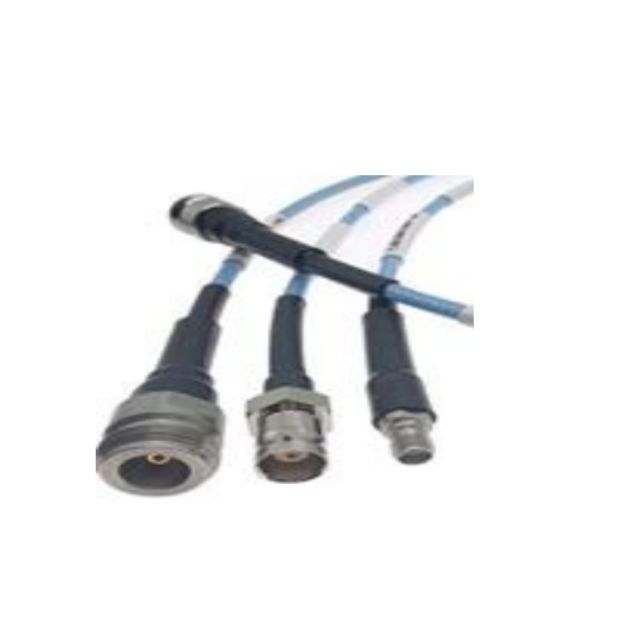
High Flex Life LF Series RF cables are high-performance flexible coaxial cables designed for applications requiring continuous bending, stable signal transmission, and long operational durability. These cables provide low insertion loss, excellent phase stability, high shielding effectiveness, and reliable RF performance for telecom, microwave, aerospace, defense, and RF testing systems.
At SRFS Teleinfra, we manufacture premium-quality High Flex Life LF Series cables using advanced RF cable technology and high-grade conductive materials to ensure stable electrical performance, low VSWR, and long flex-cycle durability. Our LF Series cables are widely used in telecom infrastructure, RF communication systems, microwave applications, VNA testing, and high-frequency signal transmission systems.
High Flex Life LF Series cables are specially engineered for applications where repeated movement and cable flexing are critical. These cables are ideal replacements for semi-rigid and semi-flexible cables while maintaining stable RF and microwave performance.
What is High Flex Life LF Series Cable?
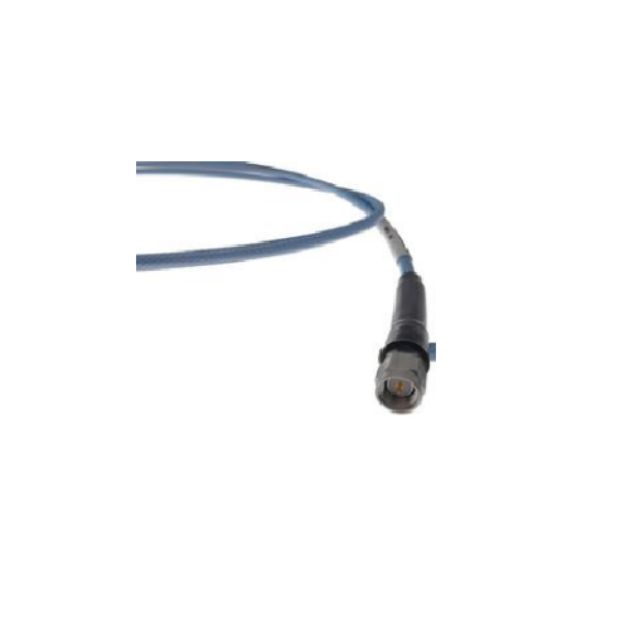
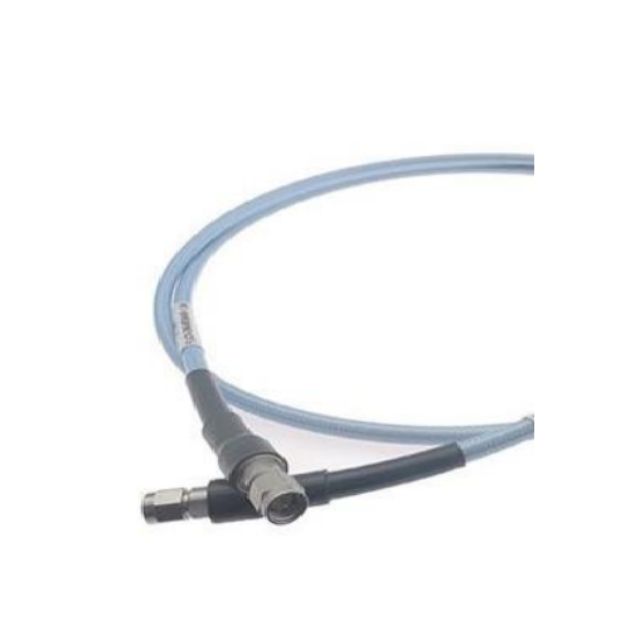
High Flex Life LF Series Cable is a flexible low-loss RF coaxial cable designed for high-frequency signal transmission in demanding communication systems. These cables are manufactured to withstand repeated bending and movement while maintaining stable RF performance and low attenuation.
High Flex Life LF Series cables are commonly used in:
- Telecom infrastructure
- RF communication systems
- Microwave communication systems
- Aerospace & defense applications
- VNA testing systems
- RF cable assemblies
- Laboratory RF applications
- Wireless communication networks
These RF cables provide stable impedance matching, excellent shielding effectiveness, and long flex-life performance for high-frequency communication systems.
Types of High Flex Life LF Series Cable
LF 460 Cable
LF 460 cables are designed for flexible RF communication systems requiring stable high-frequency signal transmission.
LF 520 Cable
LF 520 cables provide low attenuation and reliable RF performance for microwave and telecom applications.
LF 620 Cable
LF 620 cables are high-performance flexible RF cables suitable for long-distance signal transmission systems.
Flexible Microwave Cable
Flexible microwave cables are engineered for compact RF installations requiring excellent bending performance.
Low Loss LF Cable
Low loss LF cables minimize RF attenuation and improve communication efficiency in high-frequency systems.
High Flex RF Cable
High flex RF cables are designed for continuous movement applications and repeated cable flexing.
Outdoor LF Series Cable
Outdoor LF Series cables are suitable for weather-resistant telecom and antenna installations.
RF Test Cable LF Series
RF test cables are widely used in VNA testing, laboratory systems, and precision RF measurement applications.
High Flex Life LF Series Product Specifications
| LF Series Cable Type | Impedance | Frequency Range | Application |
|---|---|---|---|
| LF 460 Cable | 50 Ohm | DC – 18 GHz | Flexible RF Communication Systems |
| LF 520 Cable | 50 Ohm | High Frequency RF Range | Microwave Communication Systems |
| LF 620 Cable | 50 Ohm | GHz Frequency Applications | Telecom Infrastructure |
| Flexible Microwave Cable | 50 Ohm | Microwave Frequency Range | Compact RF Installations |
| Low Loss LF Cable | 50 Ohm | Broadband RF Range | 4G & 5G Networks |
| Outdoor LF Cable | 50 Ohm | RF Signal Transmission | Outdoor Antenna Systems |
| RF Test Cable LF Series | 50 Ohm | Precision RF Frequency Range | VNA Testing & RF Measurement |
Technical Specifications
Below are general specifications of High Flex Life LF Series RF cables (may vary depending on cable type and configuration):
Electrical Specifications
- Impedance: 50 Ohms
- Frequency Range: DC to 18 GHz and Above
- VSWR: Low VSWR Performance
- Insertion Loss: Low Signal Attenuation
- Return Loss: Excellent RF Performance
- Shielding Effectiveness: High EMI Protection
- Phase Stability: Excellent Phase & Amplitude Stability
Mechanical Specifications
- Inner Conductor: Silver Plated Copper
- Dielectric Material: PTFE / Low Loss Dielectric
- Shielding: Silver Plated Copper Braid
- Outer Jacket: FEP / Flexible RF Jacket
- Cable Type: High Flex RF Coaxial Cable
- Bend Radius: High Flexibility Design
- Cable Compatibility: RF Connectors & Microwave Systems
Environmental Specifications
- Operating Temperature: -55°C to +125°C
- Weather Resistance: Suitable for Indoor & Outdoor Applications
- Corrosion Resistance: High Durability RF Construction
- Moisture Resistance: Reliable Performance in Humid Conditions
- Application Suitability: Telecom, RF, Microwave & Testing Systems
Applications of High Flex Life LF Series
High Flex Life LF Series cables are widely used in:
- Telecom infrastructure
- RF communication systems
- Microwave communication systems
- Aerospace & defense applications
- RF cable assemblies
- VNA testing systems
- Wireless communication networks
- Laboratory RF testing
- Industrial RF systems
- Broadband communication equipment
Features of High Flex Life LF Series
High Flex Life Performance
Designed for repeated bending and continuous movement applications without affecting RF performance.
Low Signal Loss
Provides efficient RF signal transmission with minimal attenuation.
Excellent Shielding Effectiveness
Reduces EMI interference and maintains signal integrity.
Stable Phase Performance
Ensures reliable phase stability in microwave and RF testing applications.
High Frequency Support
Suitable for RF, telecom, microwave, and broadband communication systems.
Durable Cable Construction
Manufactured using premium-quality materials for long operational life.
Working Principle of HLF LMR Cable
HLF LMR cable works on the principle of controlled electromagnetic signal transmission through a coaxial structure. It consists of a central conductor, dielectric insulation, shielding layer, and outer jacket.
- The inner conductor carries the RF signal.
- The dielectric layer maintains spacing and ensures consistent impedance (typically 50Ω).
- The outer conductor (shielding) prevents signal leakage and blocks external interference (EMI/RFI).
- The outer jacket protects the cable from environmental damage.
This design allows the cable to minimize signal loss (attenuation) while maintaining high-frequency performance, making it ideal for telecom and wireless systems.
Why Choose us
High Flex Life Performance
Our LF Series cables are engineered for repeated bending applications with reliable long-term RF performance.
Low Signal Attenuation
Designed for efficient RF signal transmission with minimal insertion loss and stable communication performance.
Excellent Phase Stability
Provides reliable phase and amplitude stability for microwave and RF testing applications.
Flexible RF Construction
Ideal for compact installations and applications requiring continuous cable movement.
Frequently Asked Questions
High Flex Life LF Series cable is a flexible low-loss RF coaxial cable designed for high-frequency communication systems.
LF Series cables are used in telecom systems, microwave communication, RF testing, aerospace applications, and RF cable assemblies.
Most LF Series RF cables are designed with standard 50 Ohm impedance for RF communication applications.
LF Series cables provide high flex life, low signal loss, stable phase performance, and reliable RF communication efficiency.
Yes, LF Series cables are widely used in VNA testing, laboratory RF systems, and microwave communication applications.
LF Series cables generally support RF frequencies from DC to 18 GHz and above depending on cable type and application.
Yes, outdoor LF Series cables are designed for weather-resistant telecom and antenna installations.
Yes, SRFS Teleinfra manufactures premium-quality RF cables and telecom connectivity solutions.
They are widely used in:
- Telecom towers
- 4G/5G networks
- Wi-Fi & WLAN systems
- GPS & RF communication setups
Signal loss depends on:
- Cable length
- Frequency (higher frequency = more loss)
- Cable diameter
- Material quality