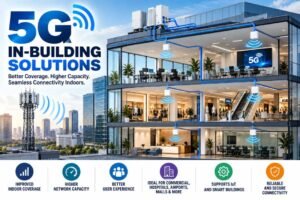
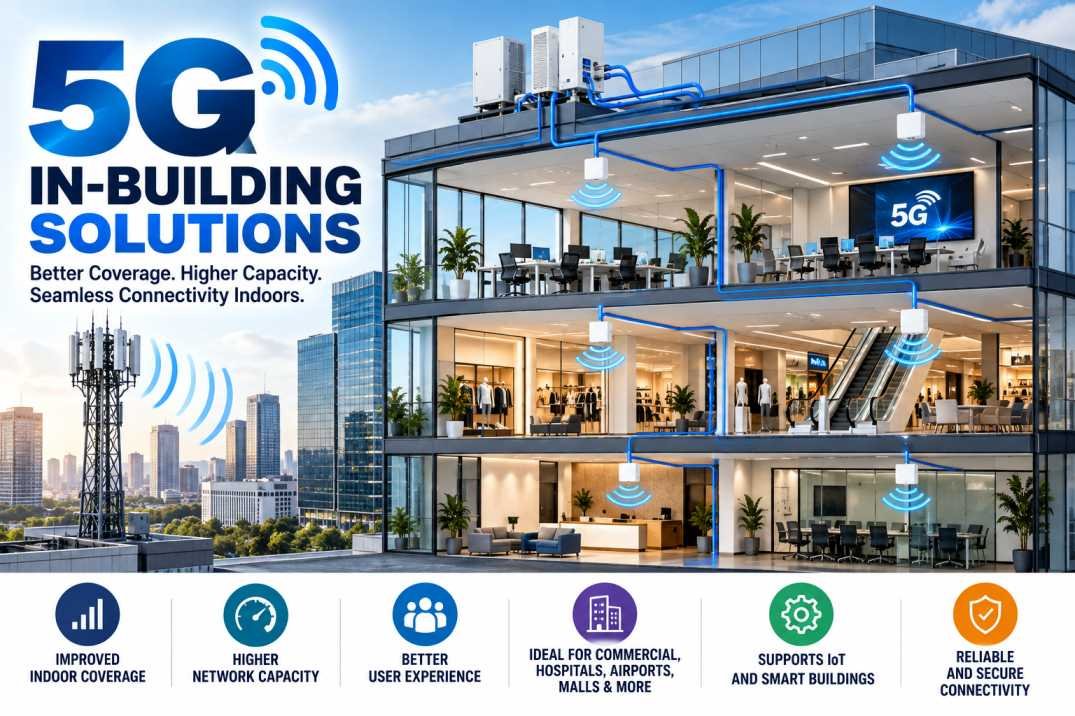
5G in-building solutions are advanced wireless communication systems designed to deliver reliable, high-speed 5G connectivity inside buildings. These solutions improve mobile network coverage, signal strength, data speeds, and network capacity in locations where outdoor cellular signals may be weakened by walls, glass, concrete, steel structures, and other building materials.
With the growing adoption of 5G technology, businesses, commercial properties, hospitals, airports, hotels, shopping malls, manufacturing facilities, and residential complexes require dependable indoor connectivity. 5G in-building solutions help address these requirements by distributing cellular signals throughout indoor environments and supporting seamless communication for users and connected devices.
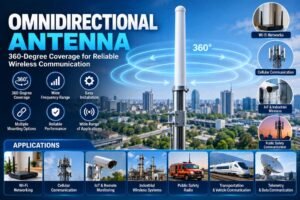
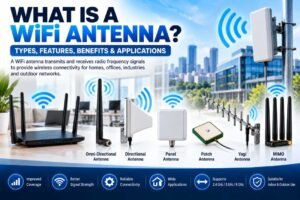
These systems may include Distributed Antenna Systems (DAS), small cells, indoor antennas, RF cables, coaxial cable assemblies, splitters, couplers, power dividers, and other radio-frequency components. The appropriate solution depends on the building size, user density, network requirements, frequency bands, and coverage objectives.
What Is a 5G In-Building Solution?
A 5G in-building solution is a wireless infrastructure system that extends or improves cellular coverage inside a building. It distributes signals from a mobile network to indoor areas where conventional outdoor macrocell signals may not provide sufficient coverage or capacity.
Unlike relying entirely on signals from nearby outdoor cell towers, an indoor cellular system uses dedicated infrastructure to deliver more consistent connectivity across floors, corridors, offices, conference rooms, basements, and other enclosed spaces.
A typical 5G indoor network may use a DAS architecture, dedicated 5G small cells, or a combination of technologies. These systems support compatible mobile devices and connected equipment, subject to the operator’s network configuration, supported frequency bands, and deployment design.
Why Are 5G In-Building Solutions Important?
Indoor environments create unique challenges for mobile connectivity. Building materials can attenuate radio signals, while large numbers of users can place considerable demand on available network capacity.
5G in-building solutions help address these challenges by providing a purpose-designed indoor network.
1. Improved Indoor Coverage
Indoor antennas and distributed radio equipment help deliver cellular signals to areas with weak reception, including basements, elevators, meeting rooms, and interior offices where outdoor signals may struggle to penetrate.
2. Higher Network Capacity
Busy indoor locations can experience significant mobile data traffic. Small cells and properly designed DAS networks help distribute network capacity to support more simultaneous users.
3. Reliable Data Connectivity
A well-designed indoor network can provide more consistent connectivity for video conferencing, cloud applications, mobile communication, and other bandwidth-intensive activities.
4. Support for Connected Devices
5G infrastructure can support compatible IoT devices, smart building systems, industrial sensors, and connected equipment, depending on the network configuration and service requirements.
5. Better User Experience
Reliable indoor connectivity helps employees, visitors, customers, and residents use mobile services with fewer coverage interruptions and improved access to digital applications.
Types of 5G In-Building Solutions
Different technologies are used to improve indoor 5G coverage. Selecting the right option requires an assessment of the building’s physical layout, traffic demand, and existing cellular infrastructure.
Distributed Antenna System (DAS)
A Distributed Antenna System distributes cellular signals across multiple indoor antennas connected through a common signal distribution network. Depending on the design, DAS can use passive coaxial components, active equipment, fiber-optic links, or hybrid architectures.
DAS is commonly considered for large buildings, airports, stadiums, hospitals, hotels, shopping malls, and corporate campuses that require broad indoor coverage.
RF components such as coaxial cables, connectors, splitters, couplers, and antennas can play an important role in passive and hybrid DAS installations.
5G Small Cells
Small cells are compact cellular access points designed to provide localized coverage and capacity. They are useful in offices, retail environments, enterprise buildings, and other indoor locations with concentrated data demand.
Unlike a traditional passive antenna distribution network, small-cell deployments use radio access equipment to provide service within a defined coverage area. Integration with the mobile operator’s network is essential.
Active DAS
Active DAS uses powered equipment to distribute and manage RF signals across a building. It can support extensive coverage areas and complex network requirements, depending on its architecture and capacity.
Active systems may use fiber-optic transport and remote units to connect central equipment with distributed indoor radio points.
Passive DAS
Passive DAS uses RF distribution components, including coaxial cables, antennas, splitters, couplers, and combiners, to distribute cellular signals.
It is often used where a compatible signal source is available and the building design supports passive distribution. Its performance depends on cable losses, component specifications, frequency bands, and the overall RF link budget.
Hybrid In-Building Solutions
Hybrid solutions combine technologies such as active DAS, passive RF distribution, fiber-optic transport, and small cells. They can be designed to address different coverage and capacity requirements within large or complex buildings.
Key Components of a 5G In-Building System
A typical deployment may include the following components:
| Component | Function |
|---|---|
| Indoor antennas | Transmit and receive cellular signals inside the building |
| Distributed Antenna System | Distributes signals across multiple indoor coverage points |
| 5G small cells | Provide localized cellular coverage and capacity |
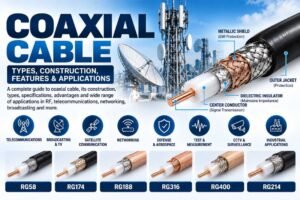
| RF coaxial cables | Carry RF signals between compatible system components |
| RF cable assemblies | Provide terminated connections between RF equipment |
| Power dividers and splitters | Divide RF power among multiple signal paths |
| Directional couplers | Direct a defined portion of RF power to another path |
| RF connectors | Provide secure electrical and mechanical connections |
| Fiber-optic cables | Carry signals between compatible active network equipment |
| Network management equipment | Supports monitoring, configuration, and system operation |
Component selection must account for operating frequency, power handling, insertion loss, impedance, connector compatibility, environmental conditions, and installation requirements.
Applications of 5G In-Building Solutions
Commercial Offices
Office buildings need reliable mobile connectivity for collaboration tools, cloud platforms, video calls, and mobile business applications.
Hospitals and Healthcare Facilities
Indoor cellular infrastructure can support mobile communication, connected devices, and staff connectivity across hospitals and healthcare campuses. Critical medical systems require appropriate reliability, security, and regulatory validation.
Airports and Railway Stations
Transportation hubs experience high user density and complex building layouts. Indoor cellular systems help improve coverage and capacity across terminals, waiting areas, ticketing zones, and passenger facilities.
Shopping Malls and Hotels
Large public venues require dependable connectivity for visitors, employees, digital services, and connected building applications.
Manufacturing and Industrial Facilities
5G indoor networks can support compatible industrial IoT devices, wireless monitoring, automation applications, and communication between connected systems. Industrial deployments must be designed for the site’s specific coverage, latency, security, and reliability requirements.
Educational Institutions
Universities, schools, laboratories, and research centers can benefit from improved indoor cellular access for digital learning, communication, and connected equipment.
How to Choose the Right 5G In-Building Solution
Choosing an appropriate solution involves several technical and operational considerations.
Building size and layout: Assess the number of floors, construction materials, internal partitions, and areas with poor reception.
User density: Estimate the number of simultaneous users and the expected data traffic during peak periods.
Frequency bands: Confirm which 5G and other cellular bands need to be supported. Equipment must be compatible with the intended frequency ranges.
Coverage and capacity: Define the required signal coverage, capacity, and service quality for each area.
RF component specifications: Check cable attenuation, connector performance, antenna characteristics, power handling, and the insertion loss of passive components.
Scalability: Consider future network expansion, additional frequency bands, and increased device density.
Installation and maintenance: Evaluate cable routing, equipment access, power requirements, safety, and ongoing monitoring.
Operator integration: Coordinate with relevant mobile network operators and qualified system integrators to ensure compatibility with the required network services.
Benefits of 5G In-Building Solutions for Businesses
5G in-building solutions help organizations create better-connected indoor environments. Improved coverage can support employee productivity, customer experiences, connected equipment, and digital services.
For enterprise and industrial users, a properly planned indoor network can provide a foundation for compatible IoT applications, real-time monitoring, and data-intensive operations. However, actual performance depends on the deployed technology, spectrum availability, network configuration, building conditions, and service provider.
Conclusion
5G in-building solutions are an important part of modern wireless infrastructure. By combining technologies such as DAS, small cells, indoor antennas, RF cables, connectors, splitters, and other distribution components, these systems help improve indoor cellular coverage and network capacity.
From offices and hospitals to airports, hotels, shopping malls, and industrial facilities, a well-engineered indoor network supports reliable mobile communication and connected applications. Careful planning, suitable RF components, frequency compatibility, and professional installation are essential for achieving the required coverage and performance.
FAQs About 5G In-Building Solutions
1. What are 5G in-building solutions?
They are wireless infrastructure systems designed to improve 5G cellular coverage and capacity inside buildings.
2. What is the purpose of a 5G indoor network?
Its purpose is to provide more reliable indoor connectivity in locations where outdoor cellular signals may be weak or network capacity may be insufficient.
3. What technologies are used in 5G in-building solutions?
Common technologies include Distributed Antenna Systems, 5G small cells, active DAS, passive DAS, and hybrid architectures.
4. What is a Distributed Antenna System?
A DAS distributes cellular signals through multiple antennas across a building to improve indoor coverage.
5. Which RF components are used in indoor 5G networks?
Depending on the architecture, components may include RF cables, cable assemblies, connectors, antennas, splitters, couplers, and combiners.
6. Are 5G in-building solutions suitable for small offices?
Yes. Small cells may be suitable for localized office coverage, while the final choice depends on network requirements, building layout, and operator support.
7. Can 5G in-building solutions support IoT applications?
Yes. They can support compatible IoT devices and connected systems when the network configuration, coverage, and service requirements are appropriate.
8. What factors affect indoor 5G performance?
Building materials, antenna placement, frequency bands, interference, network capacity, cable losses, and system design can all affect performance.
9. Are 5G in-building solutions different from Wi-Fi?
Yes. In-building cellular solutions extend cellular network services, whereas Wi-Fi provides connectivity through a wireless local area network. Both may operate together within the same building.
10. How do I select the right 5G in-building solution?
Evaluate the building size, user density, frequency bands, required coverage, RF component specifications, scalability, and mobile operator requirements before selecting a system.