Feeder Cable
Feeder cables are critical components in telecom and RF communication systems, designed to transmit radio frequency (RF) signals between antennas and communication equipment with minimal signal loss. These cables act as a transmission medium, ensuring efficient signal flow from transmitters to antennas and from antennas to receivers.
At SRFS Teleinfra, we manufacture and supply high-performance feeder cables engineered for low attenuation, high power handling, and reliable signal transmission across telecom infrastructure, including BTS towers, antennas, and wireless communication systems.
Our feeder cables are built using precision-engineered conductors, advanced dielectric insulation, and multi-layer shielding to maintain signal integrity, reduce interference, and ensure long-term durability even in harsh outdoor environments.
Feeder cables are critical components in telecom and RF communication systems, designed to transmit radio frequency (RF) signals between antennas and communication equipment with minimal signal loss. These cables act as a transmission medium, ensuring efficient signal flow from transmitters to antennas and from antennas to receivers.
At SRFS Teleinfra, we manufacture and supply high-performance feeder cables engineered for low attenuation, high power handling, and reliable signal transmission across telecom infrastructure, including BTS towers, antennas, and wireless communication systems.
Our feeder cables are built using precision-engineered conductors, advanced dielectric insulation, and multi-layer shielding to maintain signal integrity, reduce interference, and ensure long-term durability even in harsh outdoor environments.
All our feeder cables are manufactured in India under strict quality control standards, offering consistent performance, high reliability, and cost-effective solutions for telecom networks, RF systems, and industrial communication applications.


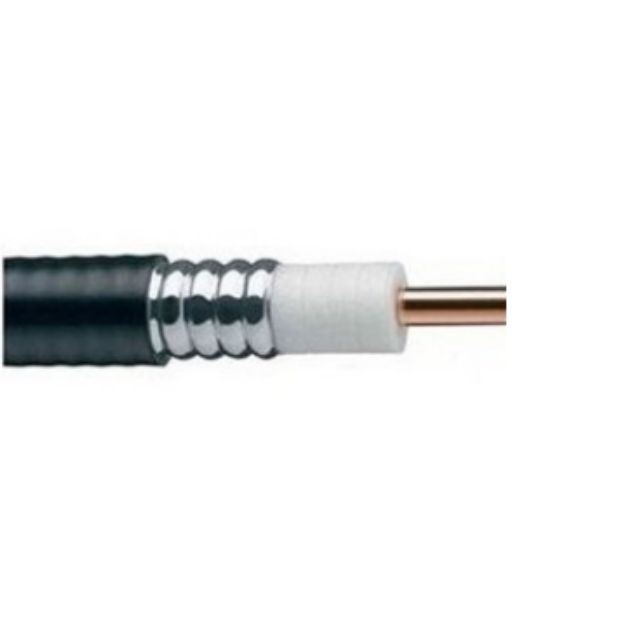
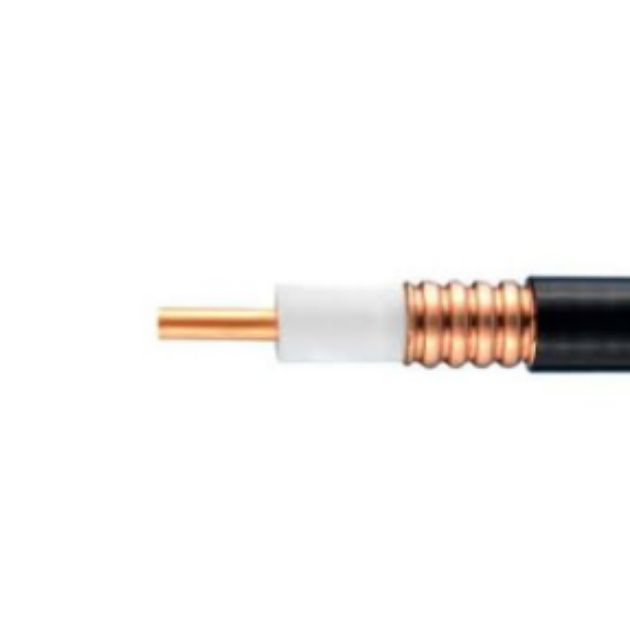
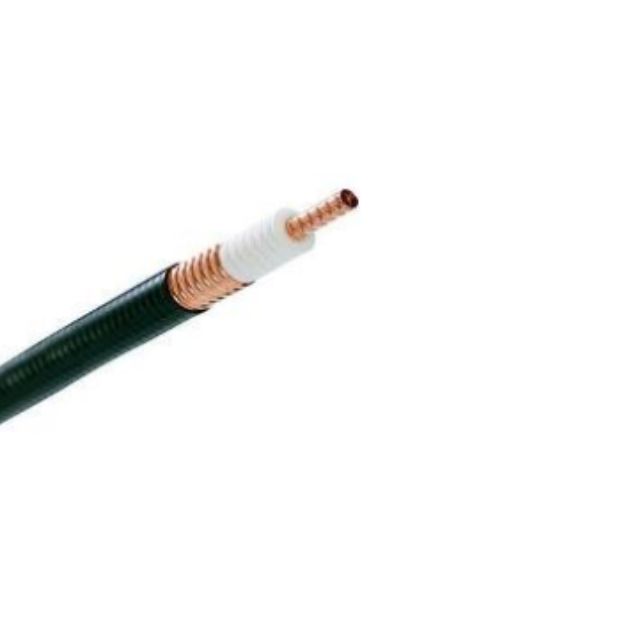
What are Feeder Cables?
Feeder cables are specialized RF transmission lines used to connect antennas with transmitters or receivers in communication systems. Their primary function is to carry high-frequency signals efficiently over long distances while minimizing signal loss and reflection.
They are widely used in telecom towers, broadcasting systems, and wireless networks to ensure stable signal transmission and optimal network performance.
Types of Feeder Cables
Feeder cables are available in different types based on application, flexibility, and power handling:
Rigid Feeder Cable
Used in high-power applications where maximum efficiency and minimal signal loss are required.
Flexible Feeder Cable
Designed for easy installation in telecom sites with moderate power handling requirements.
Corrugated Feeder Cable
Provides enhanced flexibility and durability, commonly used in outdoor telecom installations.
Low Loss Feeder Cable
Engineered to minimize attenuation and maintain signal strength over long distances.
Technical Specifications
Our feeder cables are designed to meet telecom industry standards and deliver reliable performance:
Impedance
Typically available in 50 Ohm to ensure proper signal matching and minimal reflection.
Frequency Range
Supports operation from MHz to GHz range, suitable for telecom and RF applications.
Attenuation (Signal Loss)
Low attenuation ensures efficient signal transmission over long distances.
Power Handling
Designed to handle high RF power levels in telecom and broadcasting systems.
Shielding
Multi-layer shielding protects against electromagnetic interference (EMI) and signal leakage.
Applications of Feeder Cables
Feeder cables are widely used across telecom and RF systems:
- Telecom towers and BTS installations
- 4G / 5G network infrastructure
- Antenna-to-equipment connections
- Broadcasting and satellite communication
- Wireless communication systems
- RF testing and measurement setups
Key Performance Factors
Choosing the right feeder cable depends on several critical factors:
- Low attenuation and signal efficiency
- Proper impedance matching (50 Ohm)
- Frequency handling capability
- High power handling capacity
- Environmental durability (UV, moisture, temperature)
Proper selection ensures stable signal transmission, reduced losses, and long-term performance in telecom and RF systems.
Why Choose us
High Signal Efficiency
Our feeder cables are designed for low attenuation, ensuring maximum signal strength over long distances.
Reliable High Power Performance
Engineered to handle high RF power levels in telecom and broadcasting applications.
Durable & Weather-Resistant Design
Built with high-quality materials for long-lasting performance in harsh environments.
Optimized for 4G & 5G Networks
Suitable for modern telecom infrastructure with stable and reliable connectivity.
Frequently Asked Questions
Feeder cable is used to transmit RF signals between antennas and communication equipment.
Feeder cable is a type of coaxial cable specifically designed for telecom and high-power RF transmission.
Most feeder cables use 50 Ohm impedance for telecom applications.
Attenuation is signal loss over distance, and low-loss cables are preferred for better performance.
They are used in telecom towers, broadcasting systems, antennas, and wireless networks.
Feeder cables support frequencies from MHz to GHz range.
Yes, they are designed for high RF power transmission in telecom systems.
Yes, they are weather-resistant and suitable for outdoor installations.
Selection depends on frequency, power requirements, attenuation, and installation conditions.