RF Cable
RF cables are critical components in modern telecom and communication systems, designed to transmit high-frequency signals with minimal loss and interference. At SRFS Teleinfra, we offer a wide range of high-performance RF cables suitable for telecom towers, BTS installations, antenna systems, and 4G/5G infrastructure.
Our RF cables are engineered using advanced materials and precision manufacturing techniques to ensure low attenuation, high durability, and consistent signal performance even in demanding environments.
All our RF cables are manufactured in India using quality-tested materials and strict production standards, enabling reliable supply, consistent performance, and cost-effective solutions for telecom infrastructure projects across the country.
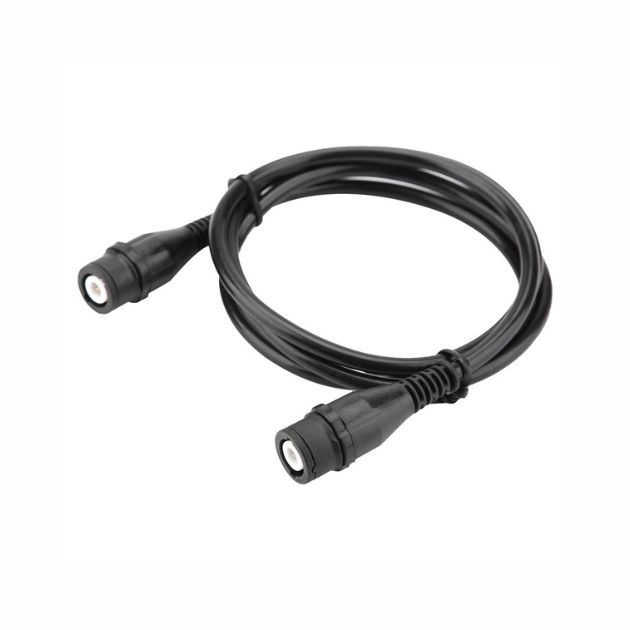
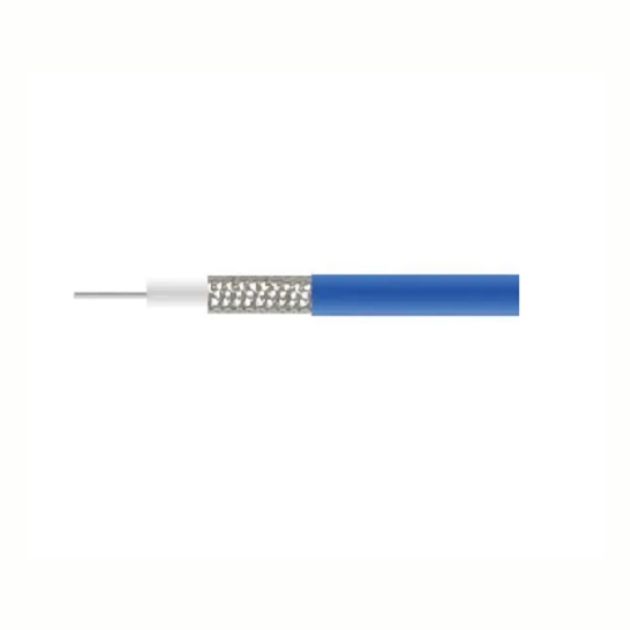
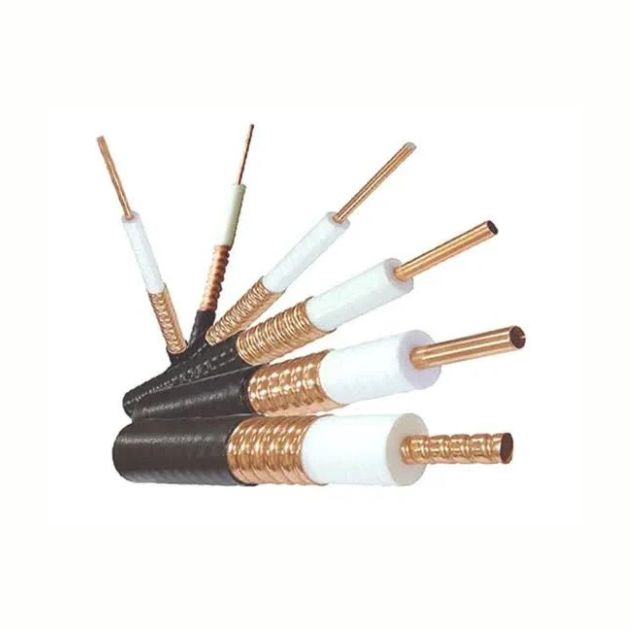
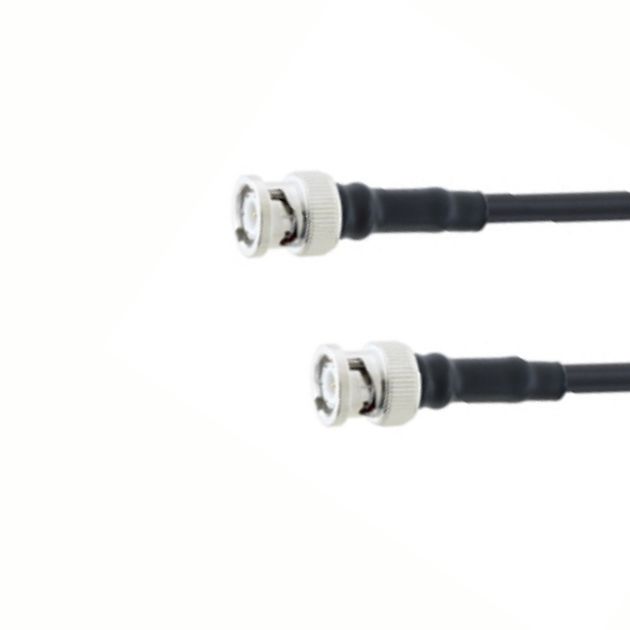
What is RF Cable?
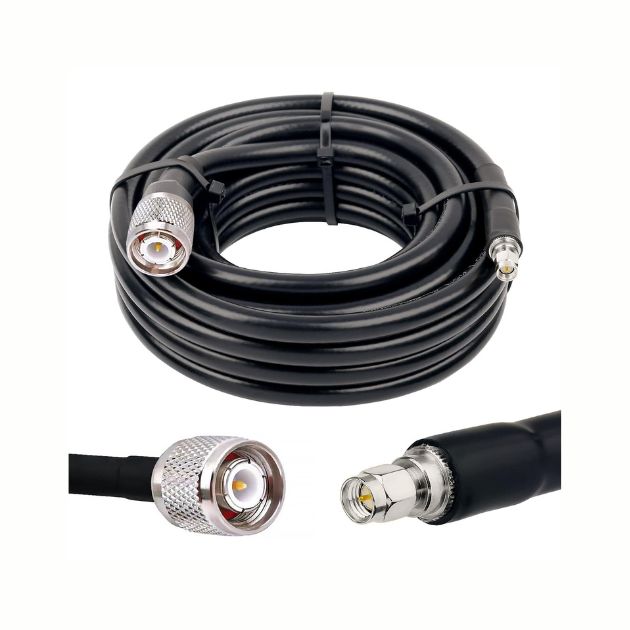
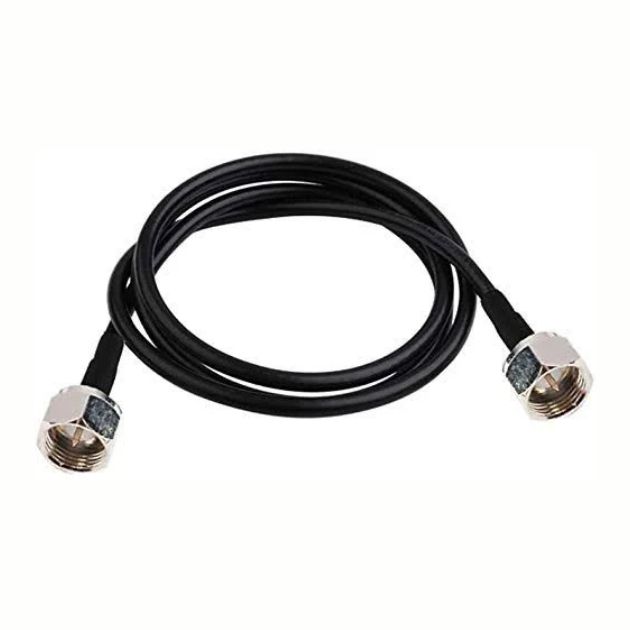
An RF (Radio Frequency) cable is a specialized transmission line used to carry high-frequency signals between devices such as antennas, transmitters, and receivers. These cables are designed to maintain signal integrity by reducing interference and signal loss over distance.
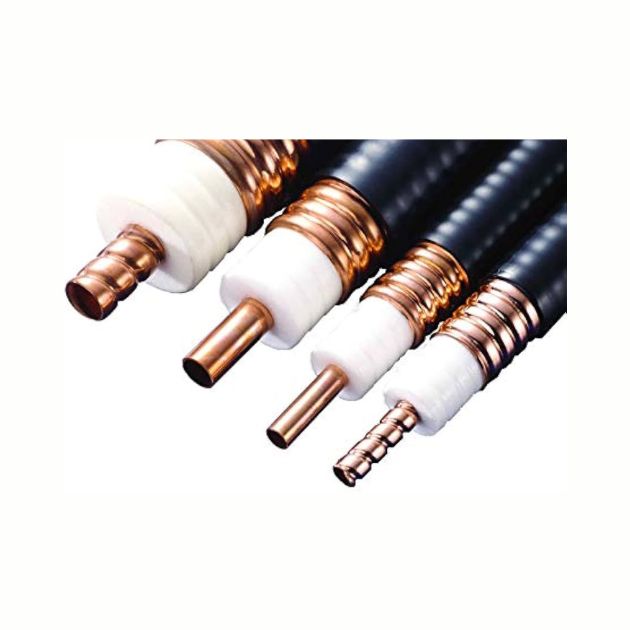
A typical RF cable consists of:
- Inner conductor (signal transmission)
- Dielectric insulation (maintains spacing and stability)
- Shielding layer (blocks interference)
- Outer jacket (provides protection)
Types of RF Cables Used in Telecom Networks
RF cables are available in different sizes and constructions depending on the application, distance, and signal requirements.
1/2 Inch RF Cable
Used for short-distance transmission where flexibility and easy installation are required.
7/8 Inch RF Cable
Widely used in telecom towers for medium-distance signal transmission with reduced attenuation.
1-5/8 Inch RF Cable
Designed for long-distance communication with minimal signal loss and high power handling.
Jumper Cable
Short-length flexible cables used to connect antennas, BTS equipment, and RF devices.
Technical Specifications of RF Cables
Our RF cables are designed to meet telecom industry standards and deliver reliable performance:
Impedance
Most RF cables are available in 50 Ohm and 75 Ohm, ensuring proper signal transmission and minimal reflection.
Frequency Range
Supports signal transmission from MHz to GHz range, making them suitable for telecom, broadcasting, and wireless systems.
Attenuation (Signal Loss)
Low attenuation ensures signals travel longer distances without degradation.
Shielding
Multi-layer shielding protects against electromagnetic interference (EMI).
Power Handling
Designed to handle varying RF power levels for telecom infrastructure.
Applications of RF Cables
RF cables are widely used across multiple industries:
- Telecom towers and BTS installations
- 4G / 5G network infrastructure
- Antenna and signal transmission systems
- Broadcasting and satellite communication
- Wireless communication networks
- Industrial and defense communication systems
Key Performance Factors
Choosing the right RF cable depends on several critical factors:
- Signal Loss (Attenuation) – Lower is better
- Frequency Handling Capacity
- Impedance Matching – Prevents signal reflection
- Environmental Resistance – Outdoor durability
- Flexibility & Installation Ease
Proper selection ensures better performance, longer lifespan, and reliable connectivity.
RF Cable Product Specifications
| Cable Type | Impedance | Frequency Range | Application |
|---|---|---|---|
| HLF Cable | 50 Ohm | Up to GHz Range | Telecom & BTS Installations |
| Feeder Cable | 50 Ohm | Low to High Frequency | Antenna Feeder Systems |
| RG Cable | 50 / 75 Ohm | MHz to GHz | CCTV, RF & Communication |
| High Performance Test Cable | 50 Ohm | High Frequency (GHz) | Testing & Measurement Equipment |
| Suco Semi Rigid Cable | 50 Ohm | Microwave Frequency | High Precision RF Systems |
| Leaky Feeder Cable | 50 Ohm | RF Range | Tunnels, Railways & Underground Communication |
| Cable Assembly | 50 Ohm | Custom Frequency Range | RF Connectivity Solutions |
Why Choose us
High Signal Efficiency
Our RF cables are designed for maximum signal strength with minimal loss, ensuring stable and reliable performance across telecom and wireless systems.
Advanced Shielding Protection
Built with superior shielding technology, our cables reduce EMI interference and deliver clean, uninterrupted signal transmission.
Durable & Long-Lasting
Manufactured using high-quality materials, our RF cables offer excellent durability, weather resistance, and long service life.
Ideal for 4G & 5G Networks
Optimized for modern infrastructure, our cables support high-speed data transmission in 4G, 5G, and broadband applications.
Frequently Asked Questions
7/8 inch and 1-5/8 inch RF cables are commonly used due to low attenuation and high performance.
RF cables are widely used in telecommunications, broadcasting, and wireless communication systems to connect equipment such as antennas, routers, base stations, and testing devices.
Common types of RF cables include coaxial cables, triaxial cables, and twinaxial cables. Each type is designed for specific applications, offering different levels of shielding, flexibility, and performance.
RF cables ensure stable signal transmission with low attenuation and minimal interference, which is critical for maintaining communication quality in telecom networks.
RF cables are designed with shielding and controlled impedance to minimize signal reflection and interference, helping maintain strong and clear signal transmission over long distances.
RF cable refers to cables specifically optimized for high-frequency signals, while coaxial cable is a common structure used in RF cables but can also be used for other applications.
To choose the right RF cable, consider factors like frequency range, power handling, environment, shielding, and connector compatibility to ensure optimal performance.
Impedance (50Ω or 75Ω) ensures proper signal flow with minimal reflection and loss.
RF cable is a type of coaxial cable specifically designed for high-frequency signal transmission.