
RF Combiner
RF Combiners are high-performance passive RF devices designed to combine multiple RF signals into a single output path while maintaining low insertion loss, excellent isolation, stable impedance matching, and reliable signal integrity. These combiners are widely used in telecom infrastructure, DAS, IBS, 4G LTE, 5G networks, wireless communication systems, and RF signal distribution applications. RF combiners help simplify antenna systems and improve network efficiency by reducing the number of RF transmission lines required.
At SRFS Teleinfra, we manufacture premium-quality RF Combiners engineered for telecom operators, system integrators, DAS installations, and wireless communication networks. Our RF combiners are designed for low PIM performance, high power handling capability, and reliable operation across multiple frequency bands.
RF combiners are essential components in modern communication systems where multiple RF signals need to be combined efficiently without compromising signal quality. These devices are widely used in BTS installations, antenna sharing systems, multi-operator networks, and broadband communication infrastructure.
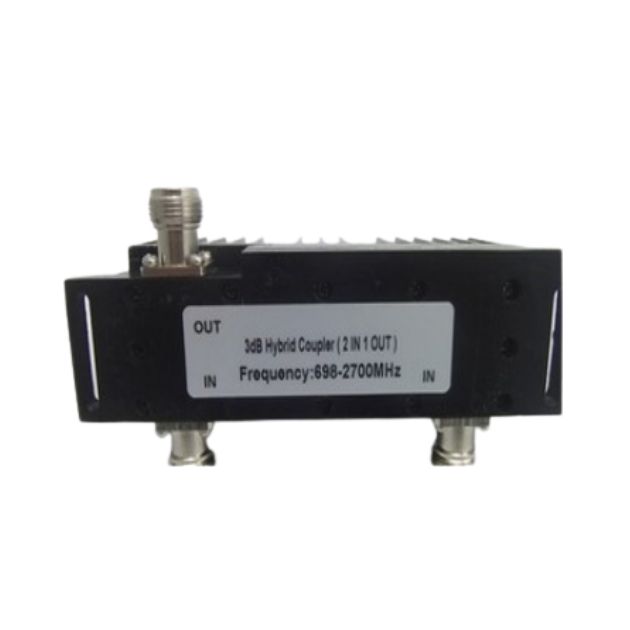
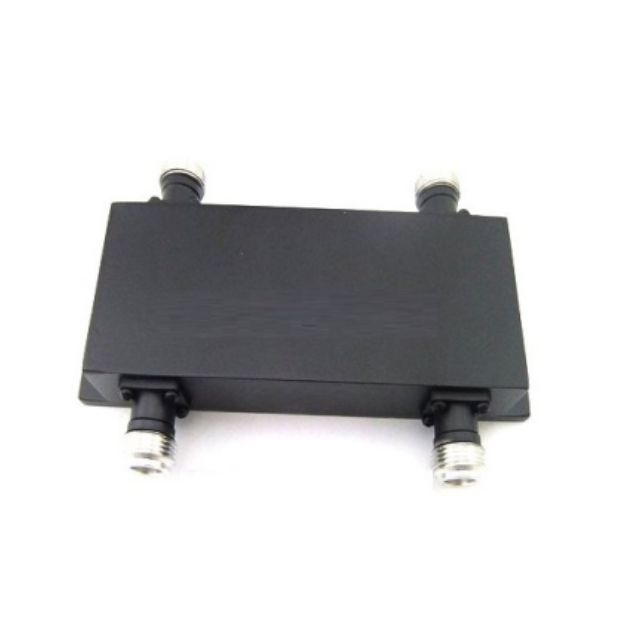
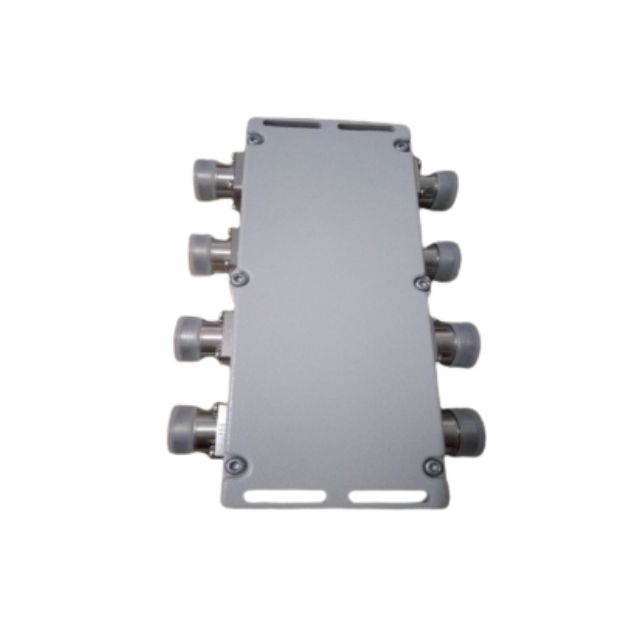
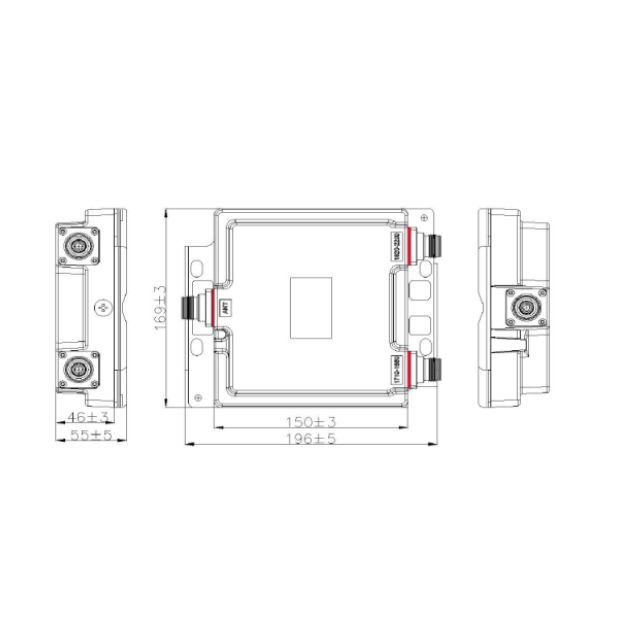
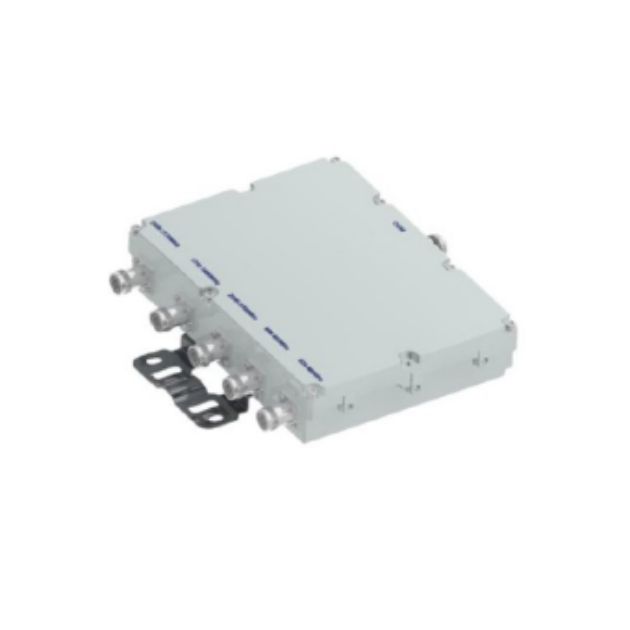
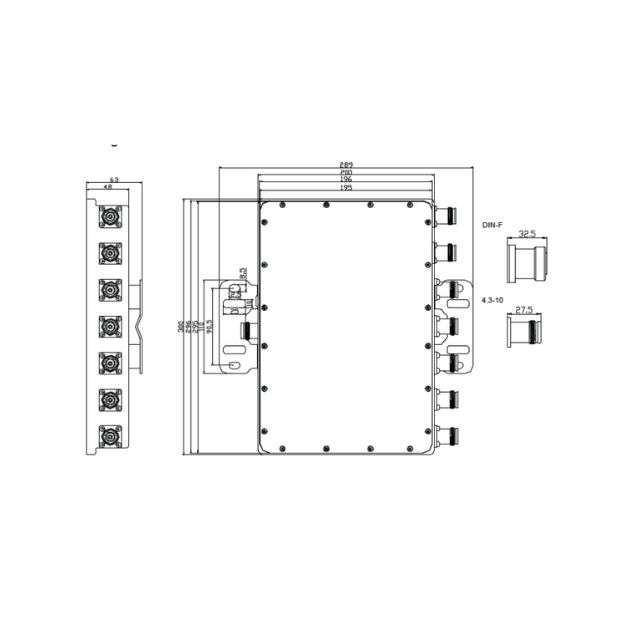
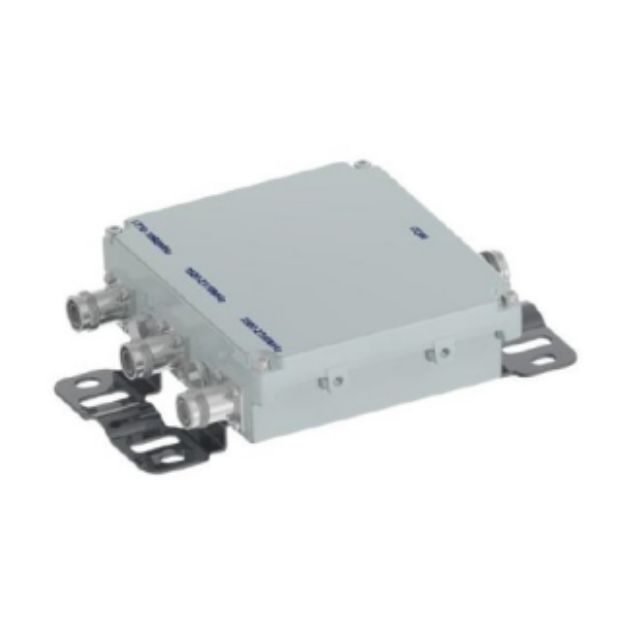
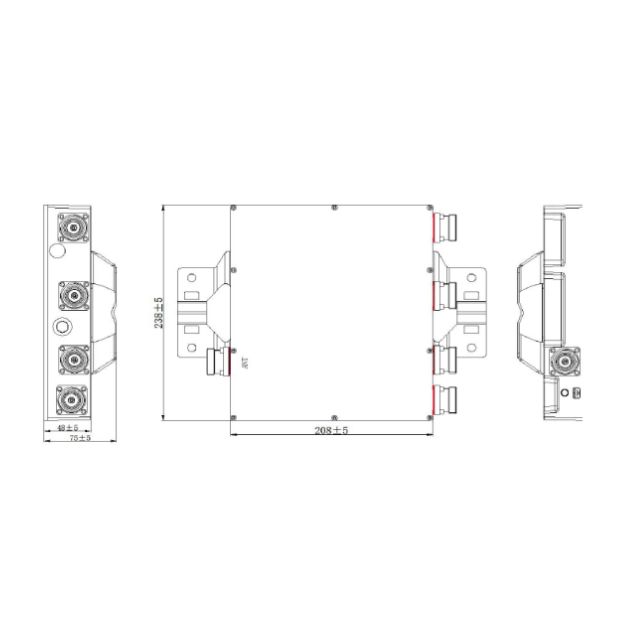
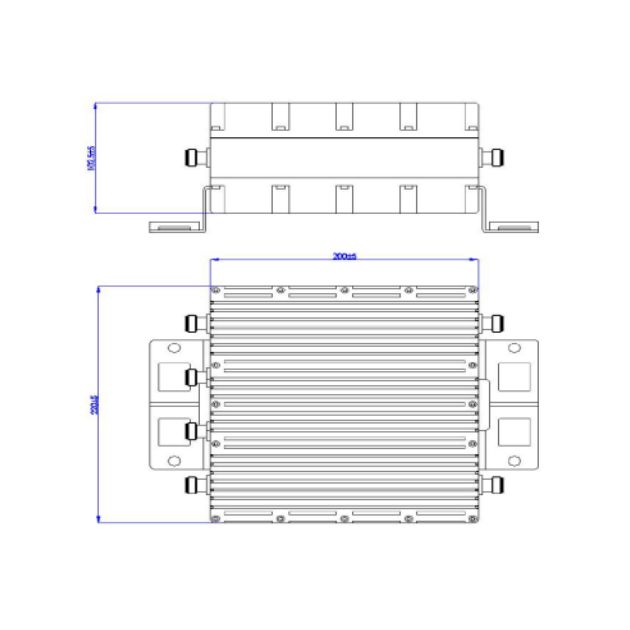
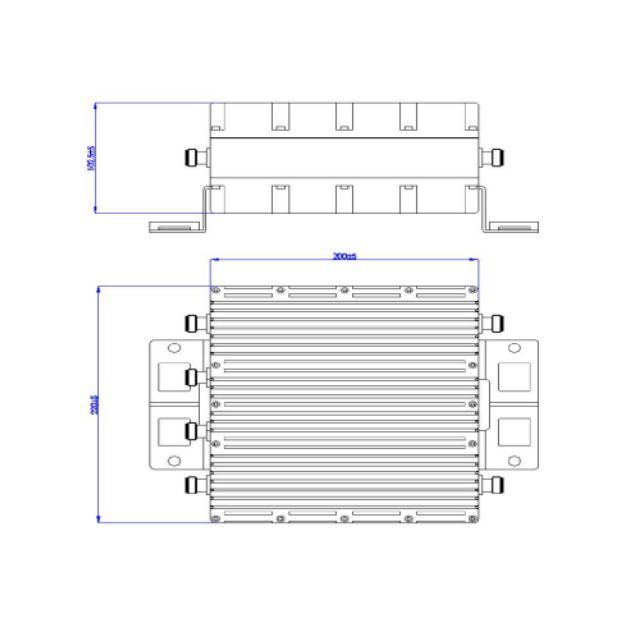
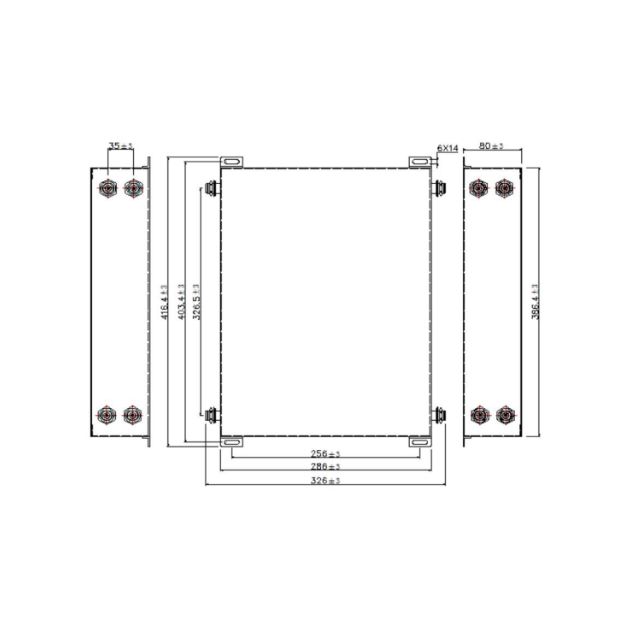
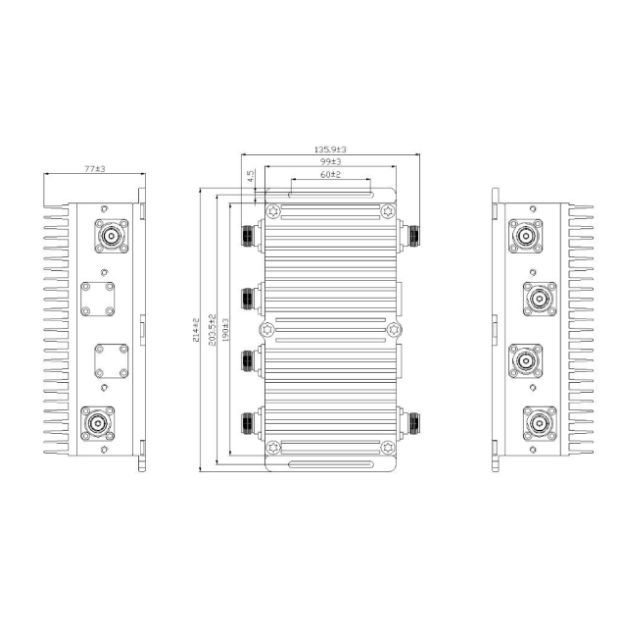
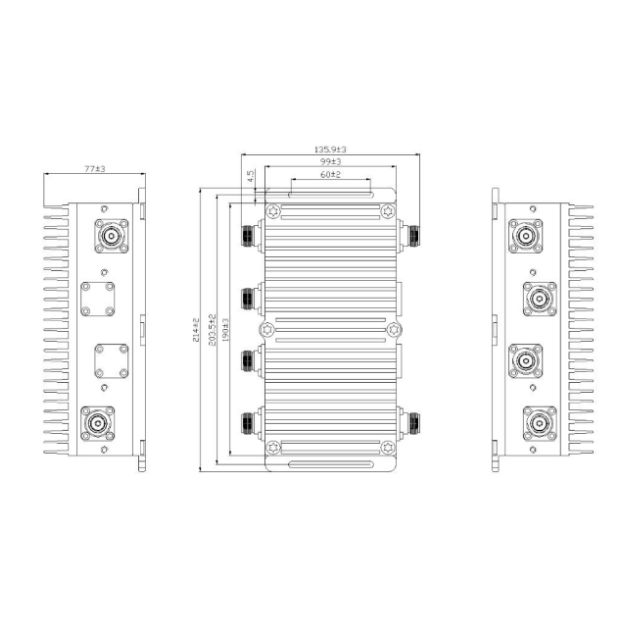
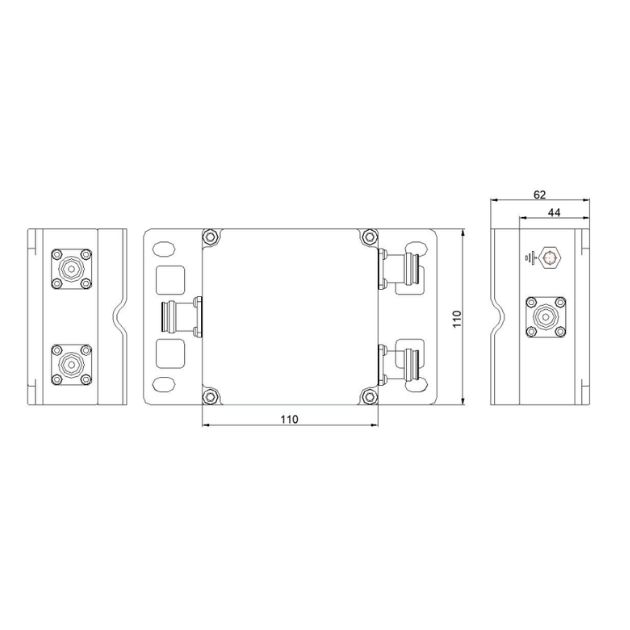
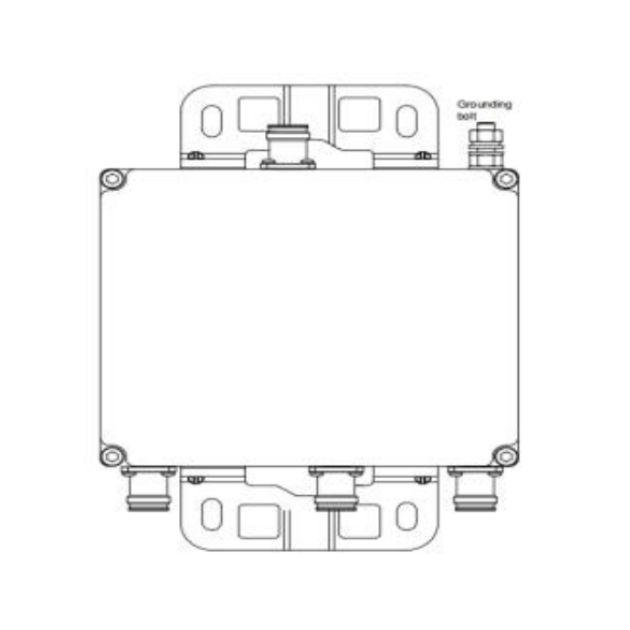
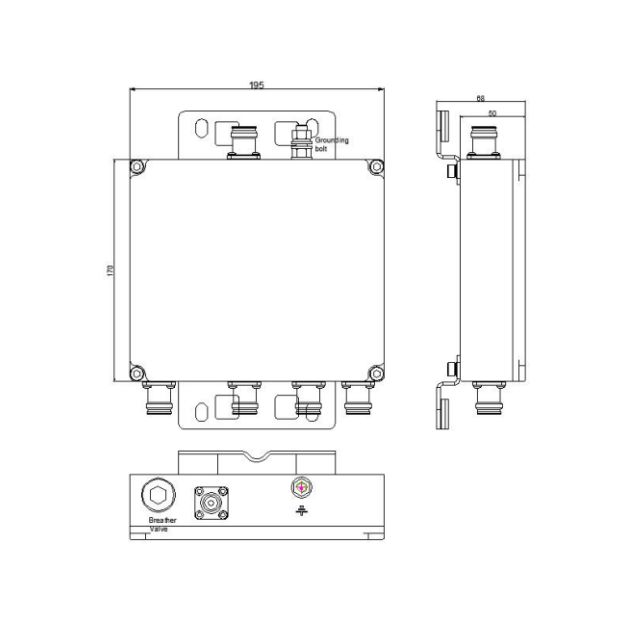
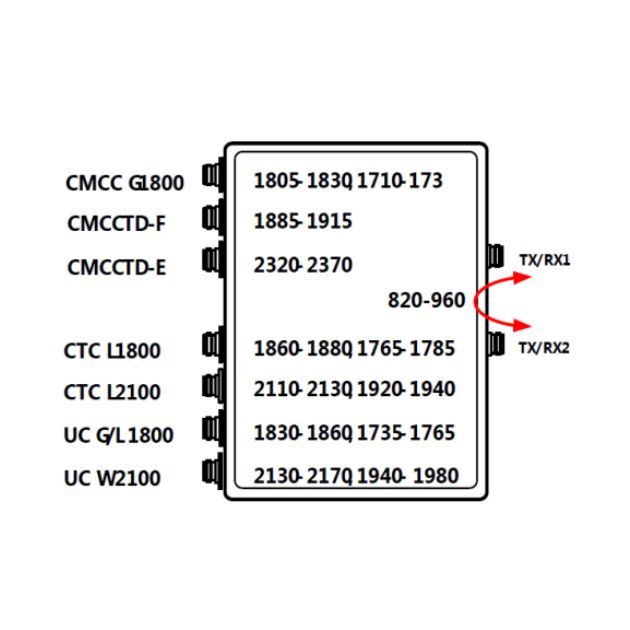
What is an RF Combiner?
An RF Combiner is a passive RF component used to combine two or more RF signals into a single output while maintaining proper impedance matching and minimizing signal loss. RF combiners allow multiple communication channels, frequency bands, or network operators to share a common antenna system, reducing installation complexity and infrastructure costs.
RF Combiners are commonly used in:
- Telecom Infrastructure
- DAS (Distributed Antenna Systems)
- IBS (In-Building Solutions)
- 4G LTE Networks
- 5G Communication Systems
- RF Signal Distribution Networks
- Wireless Communication Systems
- BTS Installations
- Antenna Sharing Systems
- Microwave Communication Networks
These combiners provide reliable RF performance with low insertion loss, excellent isolation, low VSWR, and efficient signal combining capability.
Types of RF Combiner
Hybrid Combiner
Hybrid combiners combine RF signals with high isolation and low insertion loss for telecom and DAS applications.
Multi Band Combiner
Multi-band combiners combine multiple frequency bands into a single RF output for 4G and 5G communication systems.
Triplexer Combiner
Triplexer combiners combine three different frequency bands while maintaining excellent port isolation.
Quadplexer Combiner
Quadplexer combiners support four RF frequency bands for multi-operator communication systems.
Low PIM Combiner
Low PIM combiners reduce passive intermodulation interference in telecom and wireless networks.
Antenna Combiner
Antenna combiners allow multiple RF systems to share a common antenna infrastructure.
Broadband RF Combiner
Broadband combiners support wide frequency ranges for RF and microwave communication systems.
High Power RF Combiner
High power combiners are designed for telecom systems requiring high RF power handling capability.
Technical Specifications
Below are general specifications of RF Combiners (may vary depending on model and frequency range):
Electrical Specifications
- Frequency Range: 698 MHz to 6000 MHz
- Impedance: 50 Ohms
- VSWR: ≤ 1.25 – 1.30
- Insertion Loss: ≤ 0.5 dB to 1.5 dB
- Isolation: ≥ 20 dB
- Return Loss: ≥ 18 dB
- PIM Performance: ≤ -155 dBc to -165 dBc
- Power Handling: Up to 500 Watts
Mechanical Specifications
- Connector Type: N Female / 4.3-10 Female / DIN Female
- Body Material: Aluminum Alloy
- Connector Material: Brass
- Plating: Nickel Plated
- Mounting Type: Indoor & Outdoor Installation
- Protection Rating: IP65 Available
- Construction Type: RF Signal Combiner Design
Environmental Specifications
- Operating Temperature: -40°C to +80°C
- Weather Resistance: Suitable for Indoor & Outdoor Applications
- Corrosion Resistance: High Durability Protective Coating
- Humidity Resistance: Up to 95% RH
- RoHS Compliance: Yes
- Application Suitability: Telecom, DAS, IBS & RF Communication Systems
Applications of RF Combiner
RF Combiners are widely used in:
- Telecom Base Stations
- DAS Systems
- IBS Networks
- 4G LTE Infrastructure
- 5G Communication Networks
- RF Signal Distribution Systems
- Antenna Sharing Networks
- Wireless Communication Systems
- Microwave Communication Systems
- Multi-Operator Telecom Installations
Features of RF Combiner
Low Insertion Loss
Provides efficient signal combining with minimal RF power loss.
Excellent Isolation
Maintains stable separation between RF ports and reduces interference.
Low VSWR Performance
Ensures proper impedance matching and minimizes signal reflections.
Low PIM Technology
Improves network performance by reducing passive intermodulation distortion.
High Power Handling
Suitable for telecom base stations and high-power RF communication systems.
Wide Frequency Support
Supports multi-band telecom, DAS, IBS, and wireless communication applications.
RF Combiner Product Specifications
| RF Combiner Type | Frequency Range | Impedance | Application |
|---|---|---|---|
| Hybrid Combiner | 698 – 4000 MHz | 50 Ohm | RF Signal Combining Systems |
| Multi Band Combiner | 698 – 4000 MHz | 50 Ohm | 4G & 5G Networks |
| Triplexer Combiner | 1710 – 4000 MHz | 50 Ohm | Multi-Band Telecom Systems |
| Quadplexer Combiner | 698 – 4000 MHz | 50 Ohm | Broadband RF Networks |
| Low PIM Combiner | 698 – 3800 MHz | 50 Ohm | Telecom Infrastructure |
| Antenna Combiner | 698 – 2700 MHz | 50 Ohm | Antenna Sharing Systems |
| Broadband RF Combiner | 600 – 6000 MHz | 50 Ohm | Wireless Communication Systems |
Why Choose us
Advanced RF Engineering
Our RF combiners are designed using precision RF technology for stable signal combining and reliable network performance.
Low PIM Performance
Engineered for modern 4G LTE and 5G networks requiring ultra-low passive intermodulation levels.
High Isolation Design
Provides excellent signal separation and minimizes RF interference.
Wide Frequency Support
Supports multiple telecom frequency bands up to 6000 MHz.
Frequently Asked Questions
An RF Combiner is a passive RF device used to combine multiple RF signals into a single output while maintaining proper impedance matching.
RF combiners are used in telecom infrastructure, DAS systems, IBS networks, antenna sharing systems, and wireless communication applications.
Most RF combiners are designed with standard 50 Ohm impedance for RF communication systems.
Low PIM reduces passive intermodulation interference and improves signal quality in telecom networks.
RF combiners generally support frequencies from 698 MHz to 6000 MHz depending on design and application.
Yes, RF combiners are widely used in 4G LTE and 5G communication infrastructure for efficient signal management.
RF combiners are commonly available with N Female, DIN Female, and 4.3-10 Female RF connectors.
Yes, SRFS Teleinfra manufactures premium-quality RF combiners, hybrid combiners, and multi-band combiners for telecom and wireless communication systems.