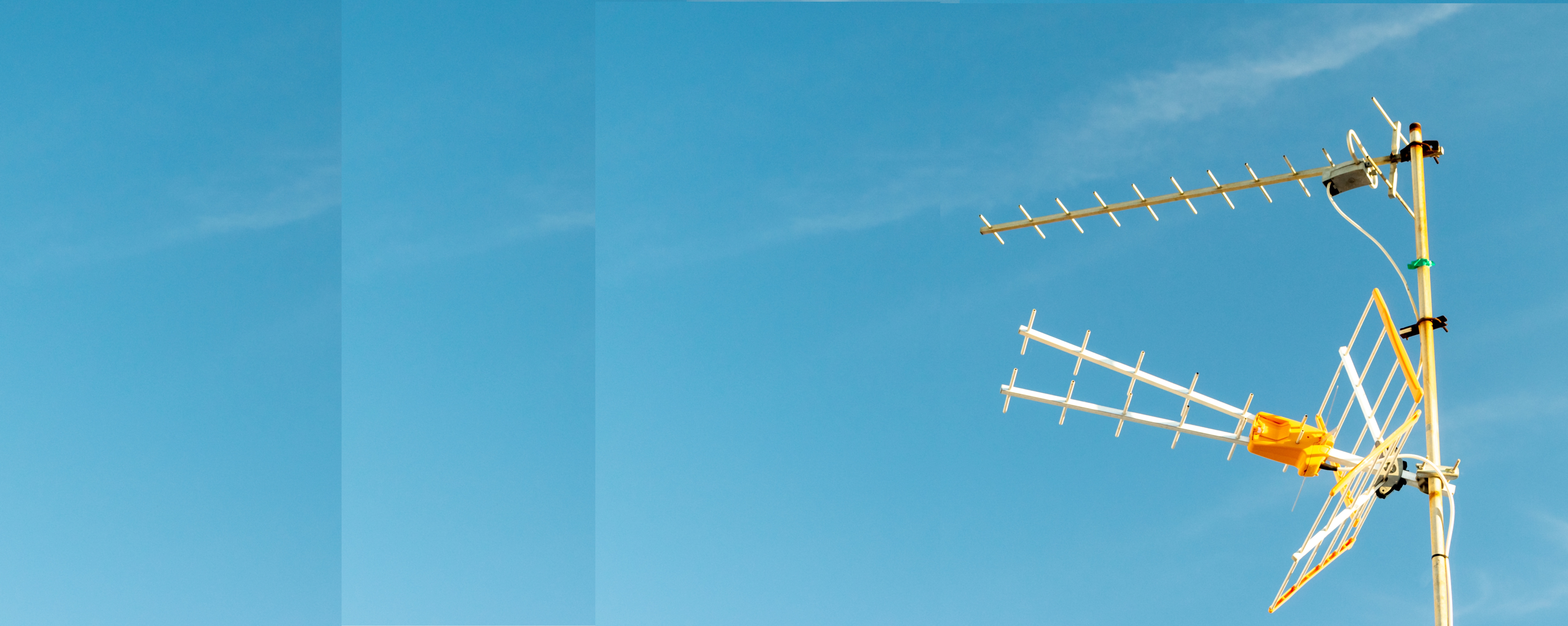
A Yagi antenna is a highly directional radio frequency antenna designed for long-distance signal transmission and reception. It is one of the most widely used antennas in wireless communication, television broadcasting, amateur radio systems, Wi-Fi networking, GSM communication, and industrial RF applications. Known for its high gain and focused signal performance, the Yagi antenna helps improve communication range and reduce signal interference.
The Yagi antenna was invented by Japanese engineers Hidetsugu Yagi and Shintaro Uda and is also known as the Yagi-Uda antenna. Its directional design allows radio frequency energy to be concentrated in a specific direction, making it highly effective for point-to-point communication systems and long-range wireless connectivity.
Yagi antennas are commonly installed on towers, rooftops, communication poles, and industrial structures for better signal reception and transmission. They are widely used in television reception systems, wireless internet communication, telecom infrastructure, and RF monitoring applications.
Modern Yagi antennas continue to play an important role in communication systems because of their reliable performance, high efficiency, and cost-effective design.
What is a Yagi Antenna?
A Yagi antenna is a directional antenna made of multiple metal elements mounted parallel to each other on a supporting boom structure. It is designed to transmit or receive radio frequency signals with high directional gain.
The antenna generally consists of:
- One driven element
- One reflector element
- Multiple director elements
- A supporting boom
The driven element is connected to the transmission line and handles signal transmission or reception. The reflector and director elements help focus RF signals in a specific direction for improved communication performance.
Yagi antennas are used for:
- Television broadcasting
- Wireless networking
- Cellular communication
- Amateur radio communication
- Long-range RF systems
Their directional signal capability makes them ideal for applications requiring stable long-distance communication.
Importance of Yagi Antennas
Wireless communication systems often require stronger signal performance and reduced interference. Yagi antennas help improve communication quality by concentrating radio signals toward a target direction.
Yagi antennas are important because they:
- Increase signal strength
- Improve communication range
- Reduce signal interference
- Enhance reception quality
- Support long-distance connectivity
These features make Yagi antennas highly suitable for professional communication systems and wireless networking applications.
How Does a Yagi Antenna Work?
A Yagi antenna works by directing radio frequency energy through a combination of reflector and director elements arranged around a driven element.
The driven element receives or transmits the RF signal. The reflector positioned behind the driven element reflects energy forward, while the director elements placed in front focus the signal beam in a specific direction.
This directional arrangement increases antenna gain and improves communication efficiency.
The working process includes:
- RF signal transmission
- Signal reflection
- Directional focusing
- Signal reception
Yagi antennas provide stronger communication performance in the desired direction while minimizing unwanted interference from other directions.
Main Components of a Yagi Antenna
A Yagi antenna contains several important components that help maintain directional signal performance.
Driven Element
The driven element is the active antenna component connected to the RF cable or transmission line.
Reflector Element
The reflector is positioned behind the driven element to reflect signals forward and improve antenna gain.
Director Elements
Directors are placed in front of the driven element to focus radio waves in a specific direction.
Boom Structure
The boom supports all antenna elements and maintains proper spacing.
Mounting Bracket
The mounting section helps secure the antenna to poles, towers, or structures.
Specifications of Yagi Antenna
Yagi antenna specifications determine communication performance, frequency compatibility, and signal quality.
Frequency Range
The frequency range defines the operating frequency band of the antenna.
Common frequency bands include:
- VHF frequencies
- UHF frequencies
- GSM frequencies
- Wi-Fi frequencies
Different Yagi antennas are designed for different communication systems and applications.
Gain
Gain is one of the most important specifications of a Yagi antenna.
Antenna gain refers to the ability to focus RF energy in a particular direction. Higher gain antennas provide stronger signal transmission and longer communication range.
Yagi antenna gain is usually measured in:
- dBi
- dBd
Higher gain antennas generally include more director elements.
Impedance
Most Yagi antennas are designed with standard impedance values such as:
- 50 ohm
- 75 ohm
Proper impedance matching helps minimize signal reflection and transmission loss.
Polarization
Polarization refers to the orientation of radio waves transmitted by the antenna.
Common polarization types include:
- Vertical polarization
- Horizontal polarization
The correct polarization improves signal reception and communication quality.
Bandwidth
Bandwidth defines the frequency range over which the antenna can operate effectively.
Wider bandwidth antennas support multiple frequency channels and communication systems.
Front-to-Back Ratio
The front-to-back ratio measures the antenna’s ability to reject signals coming from the opposite direction.
A higher front-to-back ratio helps reduce interference and improve directional performance.
VSWR
VSWR stands for Voltage Standing Wave Ratio.
A lower VSWR value indicates better impedance matching and more efficient signal transmission.
Power Handling Capacity
Power handling specifies the maximum RF power the antenna can safely handle during transmission.
Connector Type
Yagi antennas support different RF connector interfaces such as:
- SMA
- N Type
- BNC
- F Type
Connector selection depends on communication equipment and cable compatibility.
Material
Yagi antennas are commonly manufactured using:
- Aluminum
- Stainless steel
- Copper alloys
High-quality materials improve durability and weather resistance.
Types of Yagi Antennas
Different types of Yagi antennas are available for various communication applications.
TV Yagi Antenna
Used for receiving television broadcast signals.
Applications
- Digital TV systems
- Outdoor television reception
- Rural broadcasting areas
GSM Yagi Antenna
Designed for cellular communication and signal boosting.
Uses
- Mobile signal enhancement
- GSM communication systems
- Remote networking
Wi-Fi Yagi Antenna
Used for long-range wireless internet communication.
Applications
- Point-to-point networking
- Wireless bridges
- Wi-Fi signal extension
Amateur Radio Yagi Antenna
Used by ham radio operators for long-distance communication.
UHF and VHF Yagi Antennas
These antennas operate within specific frequency bands for communication and broadcasting applications.
Applications of Yagi Antennas
Yagi antennas are widely used across multiple communication industries.
Television Broadcasting
Yagi antennas are commonly used for receiving TV broadcast signals.
Wireless Networking
Wi-Fi systems use Yagi antennas for long-distance wireless communication.
Cellular Communication
GSM and LTE systems use Yagi antennas for signal improvement.
Amateur Radio Systems
Ham radio operators use Yagi antennas for high-performance communication.
Industrial Communication
Industrial wireless monitoring systems use Yagi antennas for stable RF connectivity.
Security and Surveillance Systems
Wireless security systems use directional antennas for remote communication links.
Advantages of Yagi Antennas
Yagi antennas provide several important communication benefits.
High Directional Gain
They provide stronger signal concentration compared to omni directional antennas.
Long Communication Range
Yagi antennas support stable long-distance communication.
Reduced Signal Interference
Directional operation minimizes unwanted RF interference.
Improved Signal Reception
Focused signal transmission improves communication quality.
Lightweight Design
Most Yagi antennas are compact and easy to install.
Cost-Effective Solution
Their simple design makes them affordable and reliable.
Installation Methods of Yagi Antennas
Proper installation improves antenna performance and signal quality.
Pole Mount Installation
Yagi antennas are commonly mounted on communication poles and towers.
Rooftop Installation
Rooftop installation improves signal reception by reducing obstacles.
Wall Mount Installation
Smaller Yagi antennas may be installed on walls or structures.
Direction Alignment
Proper directional alignment is important for achieving maximum signal strength.
Common Problems with Yagi Antennas
Improper installation or environmental conditions may affect performance.
Weak Signal Reception
Incorrect antenna direction may reduce communication quality.
Cable Signal Loss
Low-quality cables can increase attenuation.
Environmental Obstruction
Buildings, trees, and structures may block RF signals.
Corrosion
Outdoor antennas may experience weather-related damage.
Tips for Choosing the Right Yagi Antenna
Selecting the correct Yagi antenna improves communication efficiency and system reliability.
Check Frequency Compatibility
Choose antennas designed for the required operating frequency range.
Evaluate Gain Requirements
Higher gain antennas support longer communication distances.
Consider Environmental Conditions
Outdoor systems require weather-resistant antennas.
Verify Connector Compatibility
Ensure the antenna matches communication equipment connectors.
Choose Durable Materials
Quality materials improve operational lifespan and reliability.
Future of Yagi Antennas
Modern communication systems continue to depend on directional antenna technology.
Recent developments include:
- High-gain Yagi antennas
- Compact communication antennas
- LTE and 5G compatible antennas
- Industrial wireless communication systems
- Advanced RF antenna designs
As wireless communication and networking technologies continue to grow, Yagi antennas will remain essential for long-range signal transmission and reliable RF communication systems.
Conclusion
A Yagi antenna is a highly directional RF antenna used for focused signal transmission and reception in communication systems. Its high gain, long-range performance, and reduced interference make it ideal for television broadcasting, Wi-Fi networking, GSM communication, industrial systems, and amateur radio applications.
Understanding Yagi antenna specifications such as frequency range, gain, impedance, bandwidth, VSWR, and polarization helps users select the right antenna for efficient communication performance.
From wireless networking and cellular communication to broadcasting and RF monitoring, Yagi antennas continue to provide reliable and cost-effective solutions for modern communication infrastructure.