
RF Antenna
RF antennas are essential components in modern telecom and wireless communication systems, designed to transmit and receive high-frequency signals with strong coverage and minimal interference. At SRFS Teleinfra, we offer a wide range of high-performance RF antennas suitable for telecom towers, base stations, antenna systems, and 4G/5G network infrastructure.
Our RF antennas are engineered using advanced materials and precision manufacturing techniques to ensure high gain, stable signal performance, and long-term durability even in challenging outdoor environments.
All our RF antennas are manufactured in India using quality-tested materials and strict production standards, ensuring reliable performance, consistent quality, and cost-effective solutions for telecom and wireless infrastructure projects across the country.
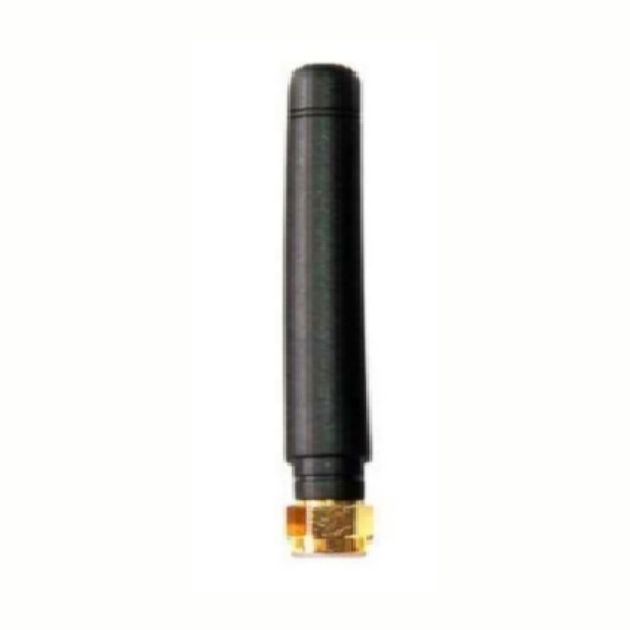
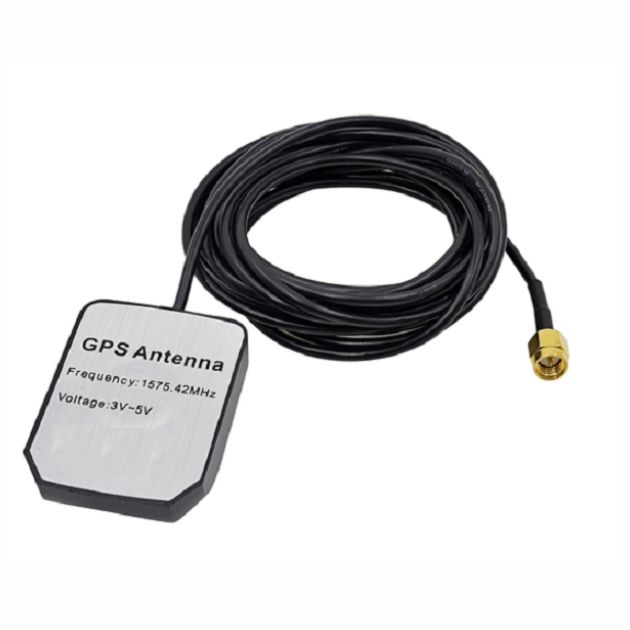
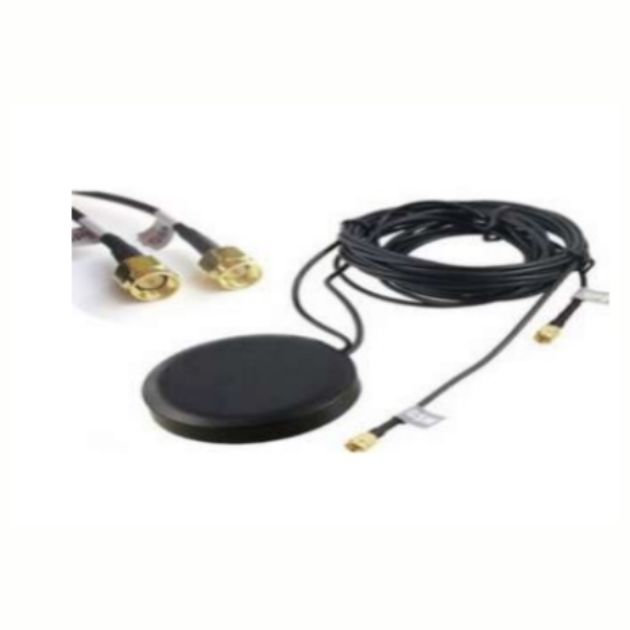
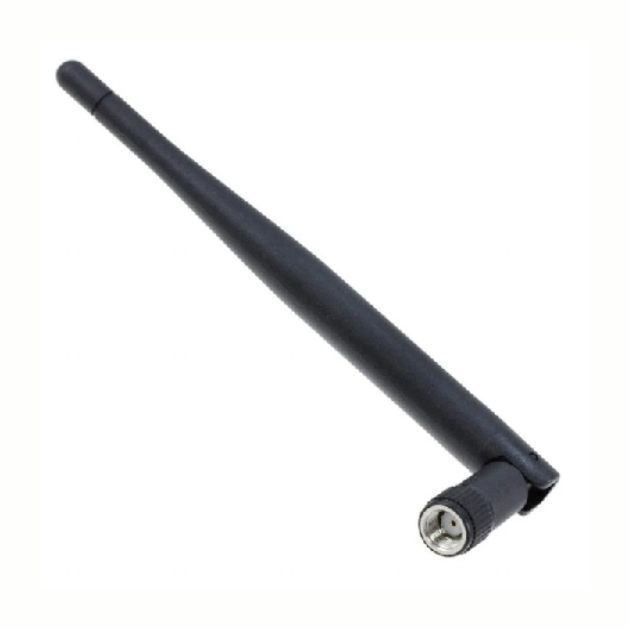
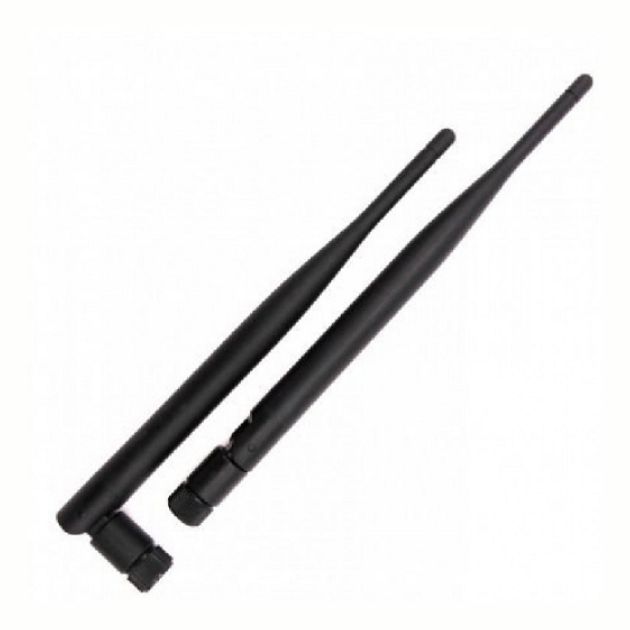
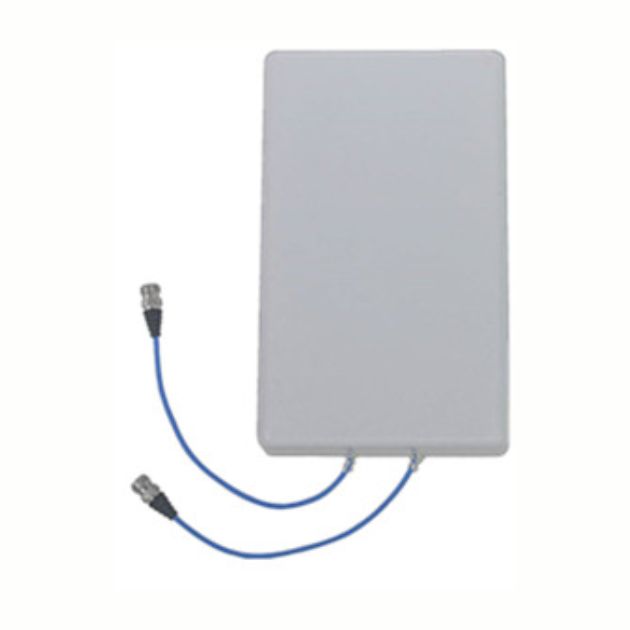
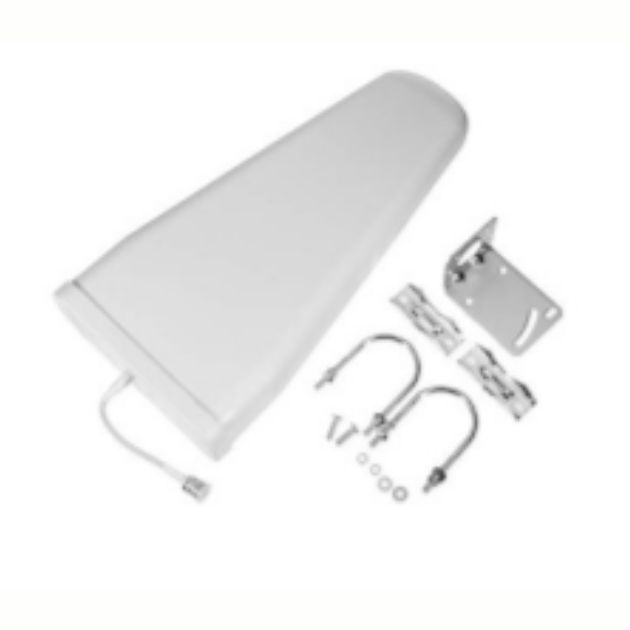
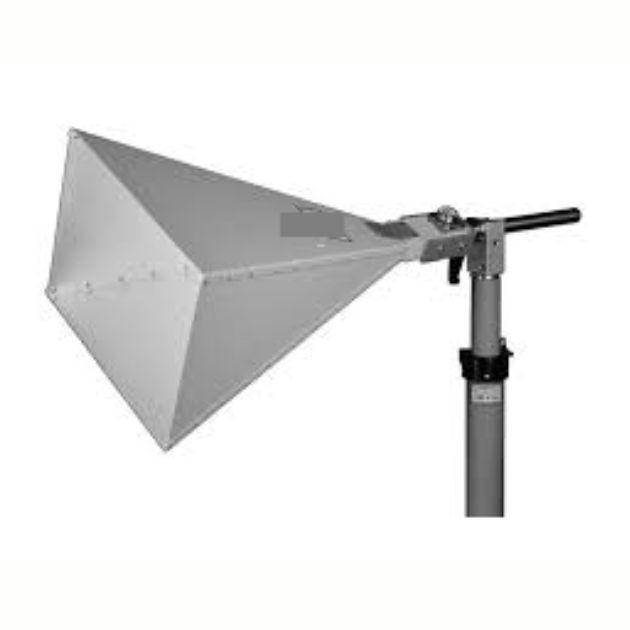
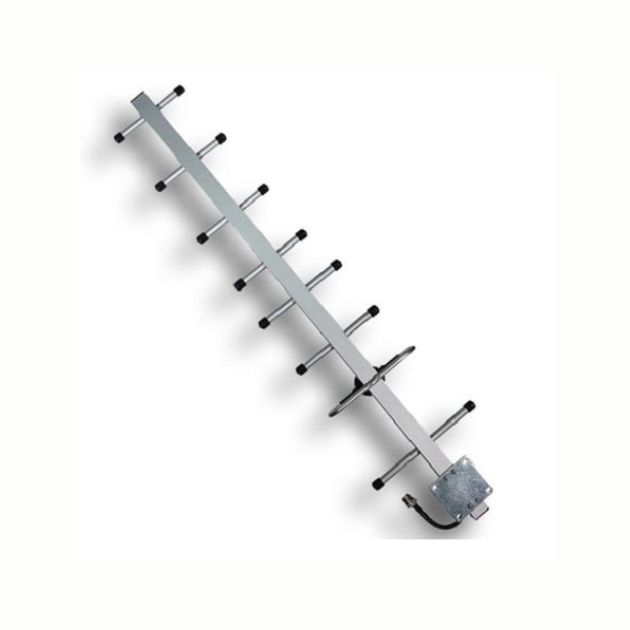
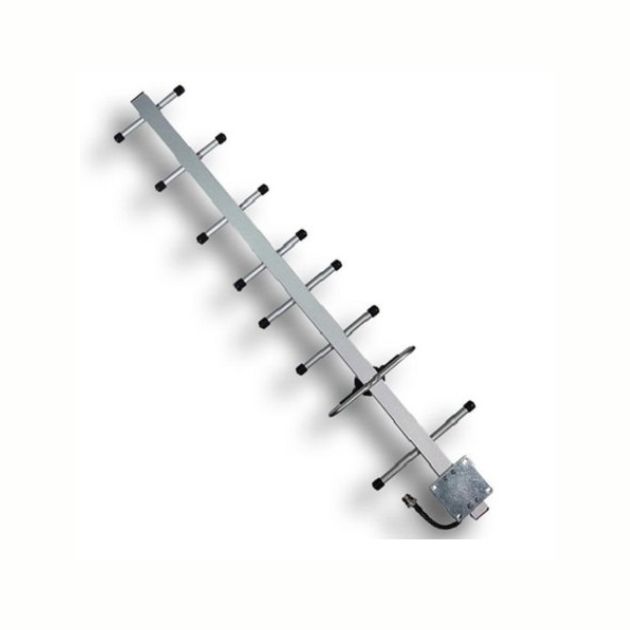
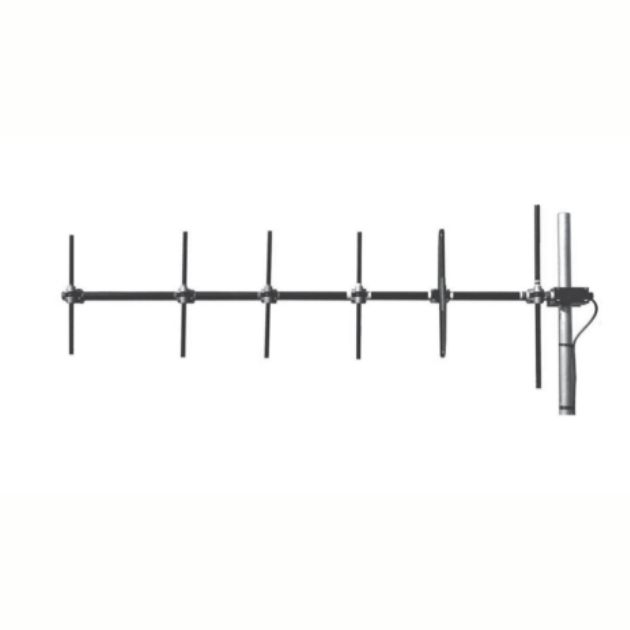
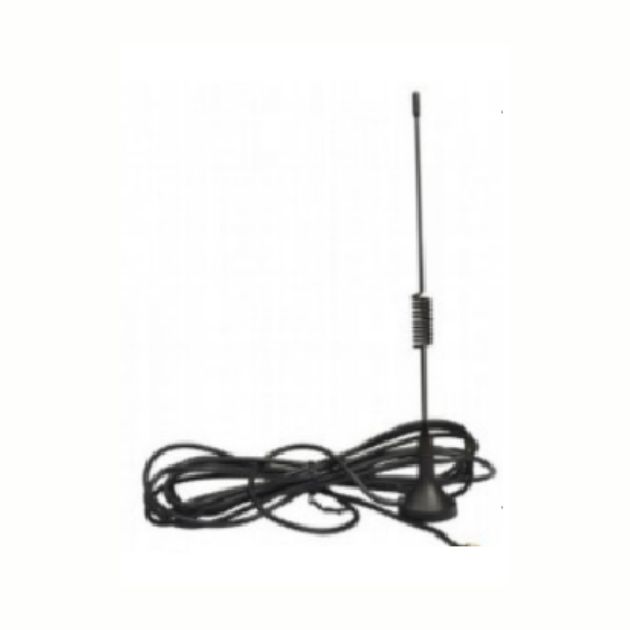
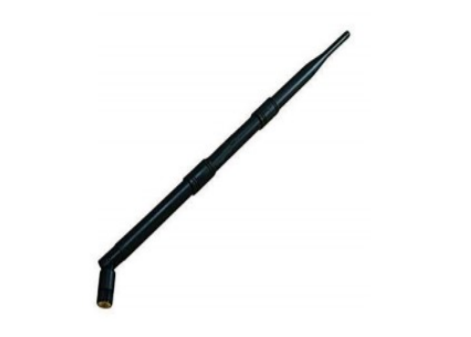
What is an RF Antenna?
An RF (Radio Frequency) antenna is a device used to transmit and receive electromagnetic signals in wireless communication systems. These antennas convert electrical signals into radio waves and vice versa, enabling communication between devices such as base stations, routers, and telecom equipment.
RF antennas are designed to provide strong signal coverage, stable performance, and minimal interference across different communication networks.
Types of of RF Antennas Used in Telecom Networks
RF antennas are available in different designs based on coverage area, frequency, and application requirements.
Panel Antenna
Used in telecom towers and base stations for directional signal transmission with focused coverage.
Omni Antenna
Provides 360-degree coverage and is widely used for uniform signal distribution in open areas.
Yagi Antenna
Directional antenna used for long-distance communication with high gain performance.
Dish Antenna
Used in satellite communication systems for high-frequency signal transmission.
Small Cell Antenna
Designed for 4G/5G networks to improve coverage in dense urban areas.
Technical Specifications of RF Antennas
Our RF antennas are designed to meet telecom industry standards and ensure reliable signal performance:
Frequency Range
Supports a wide range from MHz to GHz, suitable for telecom and wireless communication systems.
Gain
Higher gain ensures better signal strength and extended coverage.
Polarization
Available in vertical, horizontal, or dual polarization for improved signal efficiency.
VSWR (Voltage Standing Wave Ratio)
Low VSWR ensures minimal signal reflection and better transmission efficiency.
Impedance
Typically 50 Ohm for optimal signal matching and performance.
Applications of RF Antennas
RF antennas are widely used across various industries:
- Telecom towers and BTS installations
- 4G / 5G network infrastructure
- WiFi and wireless communication systems
- Broadcasting and satellite communication
- Industrial communication systems
- Defense and security networks
Key Performance Factors
Selecting the right RF antenna depends on several important factors:
- Signal Coverage Area
- Gain and Directionality
- Frequency Compatibility
- Environmental Durability (Outdoor Use)
- Installation Type and Height
RF Antenna Types & Technical Specifications
| Antenna Type | Frequency Range | Gain | Impedance | Application |
|---|---|---|---|---|
| GSM Antenna | 800–2700 MHz | 3–12 dBi | 50 Ohm | Cellular Communication |
| GPS Antenna | 1575 MHz | 3–5 dBi | 50 Ohm | Navigation & Tracking |
| Combo Antenna | 698–6000 MHz | Multi-Band | 50 Ohm | 4G/5G + WiFi + GPS Systems |
| Wi-Fi Antenna | 2.4 / 5 GHz | 2–9 dBi | 50 Ohm | Wireless LAN Systems |
| 3G / 4G Antenna | 700–2700 MHz | 5–15 dBi | 50 Ohm | Mobile Networks |
| Low PIM In-Building Antenna | 698–4000 MHz | 2–7 dBi | 50 Ohm | DAS & Indoor Coverage |
| LPDA Antenna | 698–2700 MHz | 8–12 dBi | 50 Ohm | Wideband Directional Systems |
| Horn Antenna | 1–40 GHz | 10–20 dBi | 50 Ohm | Microwave & Testing |
| Yagi Antenna | 700–2700 MHz | 9–20 dBi | 50 Ohm | Long Distance Communication |
| Repeater Antenna | 700–2700 MHz | 5–12 dBi | 50 Ohm | Signal Boosting Systems |
| High Gain Yagi Antenna | 700–2700 MHz | 15–24 dBi | 50 Ohm | Long Range RF Links |
| Magnetic Base Antenna | 600–6000 MHz | 2–5 dBi | 50 Ohm | Vehicle & Portable Systems |
| RFID Antenna | 860–960 MHz | 6–9 dBi | 50 Ohm | RFID Tracking Systems |
Why Choose us
High Gain & Strong Signal Coverage
Our RF antennas are designed to deliver high gain and wide coverage, ensuring strong and stable signal transmission across telecom and wireless networks.
Optimized Design for Low Signal Loss
Engineered for efficiency, our antennas minimize signal loss and interference, providing reliable communication performance in all conditions.
Durable & Weather-Resistant Build
Manufactured using high-quality materials, our RF antennas are built to withstand harsh outdoor environments and offer long service life.
Ideal for 4G & 5G Infrastructure
Our antennas are optimized for modern telecom networks, supporting high-speed data transmission in 4G, 5G, and advanced wireless applications.
Frequently Asked Questions
RF antennas are used in telecom towers, 4G/5G networks, WiFi systems, broadcasting, satellite communication, and industrial wireless systems.
Common types of RF antennas include panel antennas, omni-directional antennas, Yagi antennas, dish antennas, and small cell antennas used in telecom networks.
RF antennas are important because they enable signal transmission and reception. They help improve network coverage, signal strength, and communication quality.
RF antennas increase signal strength by focusing or spreading radio waves efficiently. High-gain antennas provide better coverage over long distances.
Antenna gain is a measure of how effectively an antenna transmits or receives signals in a specific direction. Higher gain means stronger signal performance.
The right RF antenna depends on frequency, coverage area, gain, and application. Choosing the correct antenna ensures better performance and reliable communication.
Omni antennas provide 360-degree coverage, while directional antennas focus signals in a specific direction for longer range and higher gain.
Yes, RF antennas are designed to support modern telecom systems including 4G and 5G networks with high-speed data transmission and reliable connectivity.