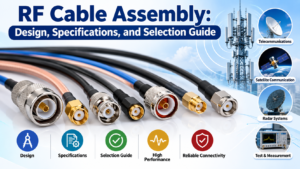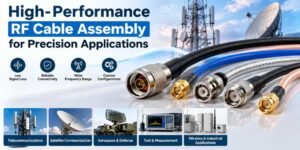
A feeder cable is a specialized RF coaxial cable used for transmitting radio frequency signals between communication equipment, antennas, and telecom infrastructure. Feeder cables are widely used in telecommunications, broadcasting, wireless networking, cellular communication systems, satellite communication, and RF transmission applications because of their low signal loss and reliable performance.
These cables play a critical role in connecting antennas with transmitters, receivers, repeaters, and base station equipment. Feeder cables are specially designed to carry high-frequency RF signals over long distances with minimal attenuation and interference.
Modern communication systems rely heavily on feeder cables for stable signal transmission in mobile towers, Wi-Fi systems, broadcasting stations, microwave communication systems, and industrial wireless networks. Their robust shielding, weather resistance, and high-power handling capability make them suitable for both indoor and outdoor installations.
Today, feeder cables are considered essential components in telecom and RF infrastructure because they ensure efficient communication and stable network performance.
What is a Feeder Cable?
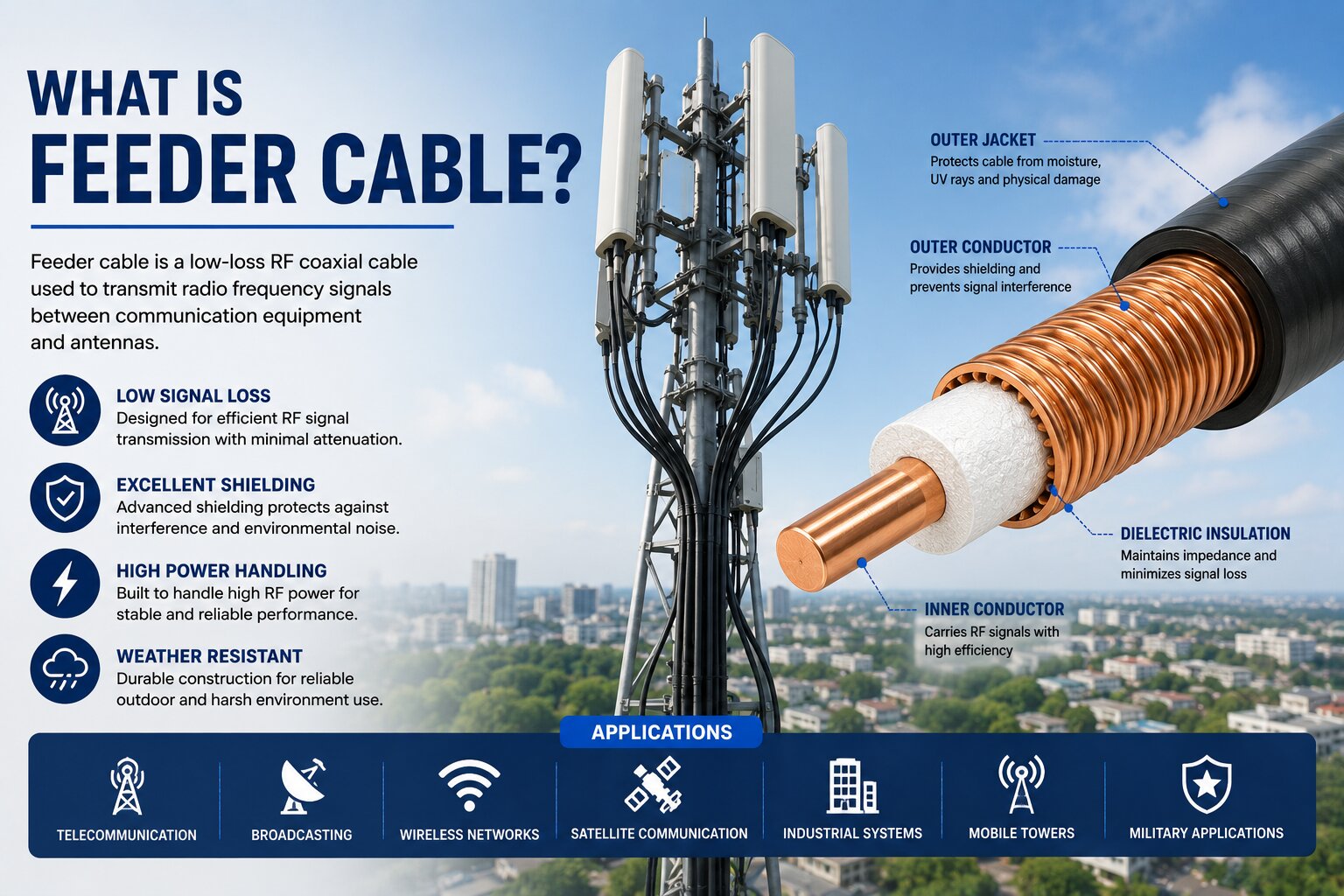
A feeder cable is a low-loss coaxial cable used to transfer radio frequency signals between RF communication devices and antennas. It acts as a transmission line that carries RF energy while minimizing signal attenuation and interference.
Feeder cables are commonly used in:
- Cellular communication systems
- Telecom towers
- Broadcasting systems
- Wi-Fi communication
- Satellite communication
- RF transmission systems
- Industrial wireless networks
These cables are specially designed to support high-frequency communication and long-distance signal transmission.
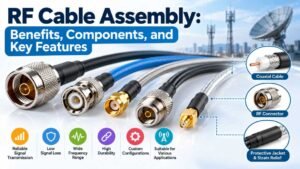
A feeder cable generally consists of:
- Inner conductor
- Dielectric insulation
- Outer conductor or shielding
- Protective outer jacket
The construction helps maintain stable impedance and protect RF signals from external interference.
Importance of Feeder Cables
Communication systems require reliable signal transmission between antennas and RF equipment. Feeder cables are important because they provide low-loss communication pathways for high-frequency signals.
Feeder cables help:
- Reduce signal loss
- Improve communication quality
- Maintain stable RF performance
- Support long-distance transmission
- Protect against electromagnetic interference
Without proper feeder cables, communication systems may experience weak signal strength and unstable network connectivity.
How Does a Feeder Cable Work?
A feeder cable works by transmitting RF signals from communication equipment to antennas or from antennas back to communication devices.
The inner conductor carries the RF signal, while the outer conductor provides grounding and shielding protection. The dielectric insulation maintains impedance consistency and minimizes signal distortion.
The working process includes:
- RF signal transmission
- Signal shielding
- Impedance matching
- Interference protection
High-quality feeder cables ensure stable signal transmission with minimal attenuation.
Components of a Feeder Cable
A feeder cable contains several important components that support RF communication performance.
Inner Conductor
The inner conductor carries the RF signal through the cable.
Dielectric Insulation
The dielectric layer separates the inner conductor from the outer shield while maintaining impedance stability.
Outer Conductor
The outer conductor provides grounding and protects against EMI and RF interference.
Protective Jacket
The outer jacket protects the cable from environmental damage, moisture, and physical wear.
Types of Feeder Cables
Feeder cables are available in different sizes and configurations depending on communication requirements.
Flexible Feeder Cable
Flexible feeder cables are designed for installations requiring cable bending and easy routing.
Applications
- Indoor communication systems
- Compact RF installations
- Wireless networking equipment
Corrugated Feeder Cable
Corrugated feeder cables provide excellent shielding and lower signal attenuation.
Uses
- Telecom towers
- Outdoor RF systems
- Cellular communication infrastructure
Foam Dielectric Feeder Cable
These cables use foam insulation to reduce signal loss and improve RF performance.
Air Dielectric Feeder Cable
Air dielectric feeder cables offer extremely low attenuation for high-frequency communication systems.
Super Flexible Feeder Cable
Super flexible cables are used where frequent movement or tight installation space is required.
Common Feeder Cable Sizes
Feeder cables are available in multiple standard sizes.
1/2 Inch Feeder Cable
Used in small to medium communication systems.
7/8 Inch Feeder Cable
Widely used in telecom towers and base station installations.
1-1/4 Inch Feeder Cable
Supports higher power RF communication systems.
1-5/8 Inch Feeder Cable
Used in large telecom and broadcasting infrastructure.
Applications of Feeder Cables
Feeder cables are widely used across various communication industries.
Telecommunications Industry
Telecom infrastructure depends heavily on feeder cable connectivity.
Applications
- Mobile towers
- Base stations
- Cellular communication systems
Broadcasting Systems
Broadcast stations use feeder cables for RF signal transmission.
Wi-Fi and Wireless Networking
Wireless communication systems use feeder cables to connect antennas and RF devices.
Satellite Communication
Satellite systems use feeder cables for signal transmission between antennas and communication equipment.
Industrial Communication Systems
Industrial wireless networks use feeder cables for machine communication and monitoring.
Military and Aerospace
Defense communication systems require durable and low-loss feeder cables.
Advantages of Feeder Cables
Feeder cables provide several important communication benefits.
Low Signal Loss
They minimize attenuation during RF signal transmission.
Excellent Shielding
Feeder cables protect signals from electromagnetic interference.
High Power Handling
These cables support high-power RF communication systems.
Weather Resistance
Outdoor feeder cables resist moisture and harsh environmental conditions.
Long Operational Life
Durable construction ensures reliable long-term performance.
Stable Communication
Feeder cables improve signal quality and communication reliability.
Technical Specifications of Feeder Cables
Feeder cable specifications determine RF performance and compatibility.
Frequency Range
Feeder cables support multiple RF frequency bands.
Impedance
Most feeder cables are designed with:
- 50 ohm impedance
- 75 ohm impedance
Attenuation
Attenuation measures signal loss over cable length.
Lower attenuation provides better RF performance.
Power Handling Capacity
Feeder cables support different RF power levels depending on cable size.
Shielding Effectiveness
High shielding reduces EMI and RF interference.
Operating Temperature
Industrial feeder cables can operate in harsh environmental conditions.
Installation Methods of Feeder Cables
Proper installation improves communication reliability and signal performance.
Tower Installation
Feeder cables are commonly installed on telecom towers.
Indoor Installation
Indoor RF systems use flexible feeder cables for equipment connectivity.
Underground Installation
Some feeder cables are installed underground for protected communication infrastructure.
Cable Tray Installation
Industrial facilities often route feeder cables through cable management systems.
Difference Between Feeder Cable and Coaxial Cable
Although feeder cables are a type of coaxial cable, they are designed for specific RF communication applications.
Feeder Cable
- Designed for telecom and RF systems
- Lower signal attenuation
- High power handling
- Outdoor communication applications
Standard Coaxial Cable
- General signal transmission
- Lower power handling
- Consumer electronics applications
Feeder cables provide better RF performance for professional communication infrastructure.
Common Problems with Feeder Cables
Improper installation or poor-quality cables may affect communication performance.
Signal Loss
Long cable lengths may increase attenuation.
Connector Damage
Improper connector installation can interrupt communication.
Moisture Damage
Outdoor installations may experience water ingress.
Cable Bending Issues
Excessive bending can damage cable performance.
Tips for Choosing the Right Feeder Cable
Selecting the correct feeder cable improves communication quality and network reliability.
Check Frequency Compatibility
Choose cables suitable for operating frequency ranges.
Evaluate Attenuation Requirements
Lower attenuation cables improve long-distance communication.
Consider Installation Environment
Outdoor systems require weatherproof cable designs.
Verify Connector Compatibility
Ensure compatibility with antennas and RF equipment.
Select Proper Cable Size
Larger feeder cables generally provide lower signal loss.
Future of Feeder Cables
Modern communication systems continue to demand better RF transmission solutions.
Recent developments include:
- Low-loss feeder cables
- High-frequency communication cables
- 5G telecom infrastructure
- Advanced RF shielding technology
- Flexible high-performance cables
As telecom networks, wireless communication, and RF infrastructure continue to expand, feeder cables will remain critical components in communication systems.
Conclusion
A feeder cable is a specialized RF coaxial cable used for transmitting radio frequency signals between antennas and communication equipment. These cables provide low signal loss, excellent shielding, and reliable RF performance in telecom, broadcasting, satellite communication, and wireless networking systems.
From telecom towers and Wi-Fi systems to industrial communication networks and broadcasting infrastructure, feeder cables play an essential role in maintaining stable and efficient communication performance.
Understanding feeder cable types, applications, specifications, advantages, and installation methods helps communication professionals select the right cable for high-performance RF and telecom systems.